‘Rare’ 2,500-year-old workshop of a ‘master blacksmith’ unearthed in UK. Take a look
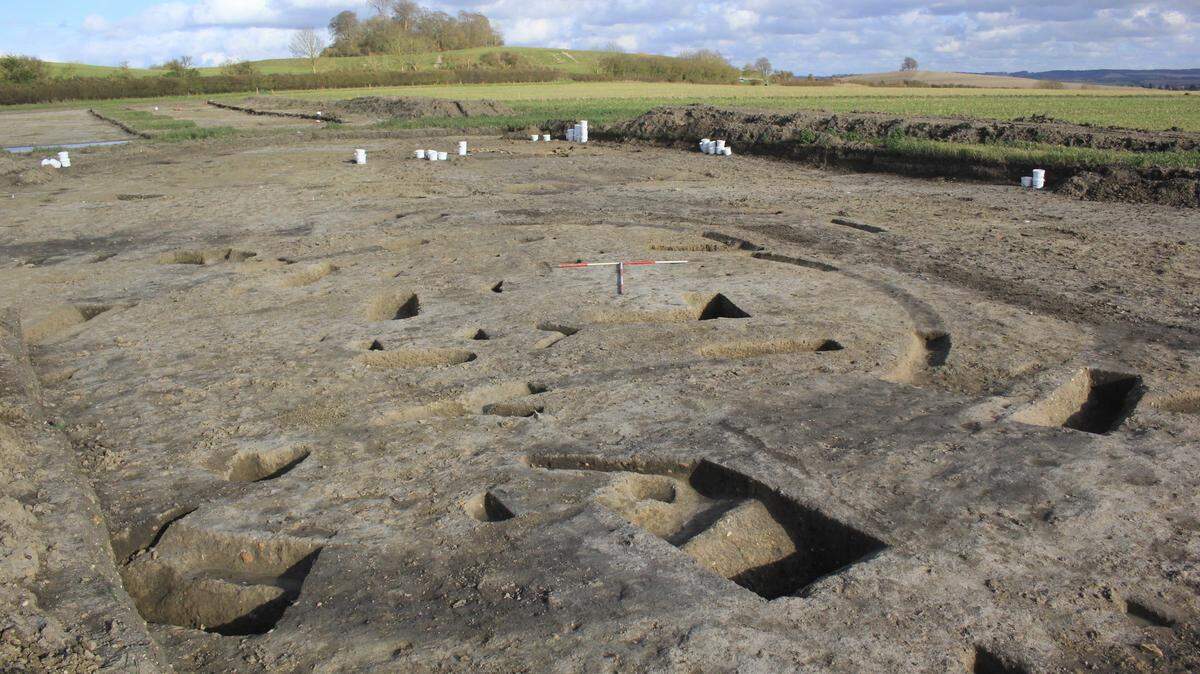
Thousands of years ago, a highly skilled blacksmith hammered away in a workshop, forging iron into swords, wheels or other complex objects.
The “master blacksmith” is long gone but, as archaeologists recently discovered, traces of the ancient workshop remain.
Archaeologists found the ruins of the “rare” 2,500-year-old workshop while excavating an Iron Age site in Oxfordshire, according to a Jan. 29 news release from Earth Trust shared with McClatchy News.
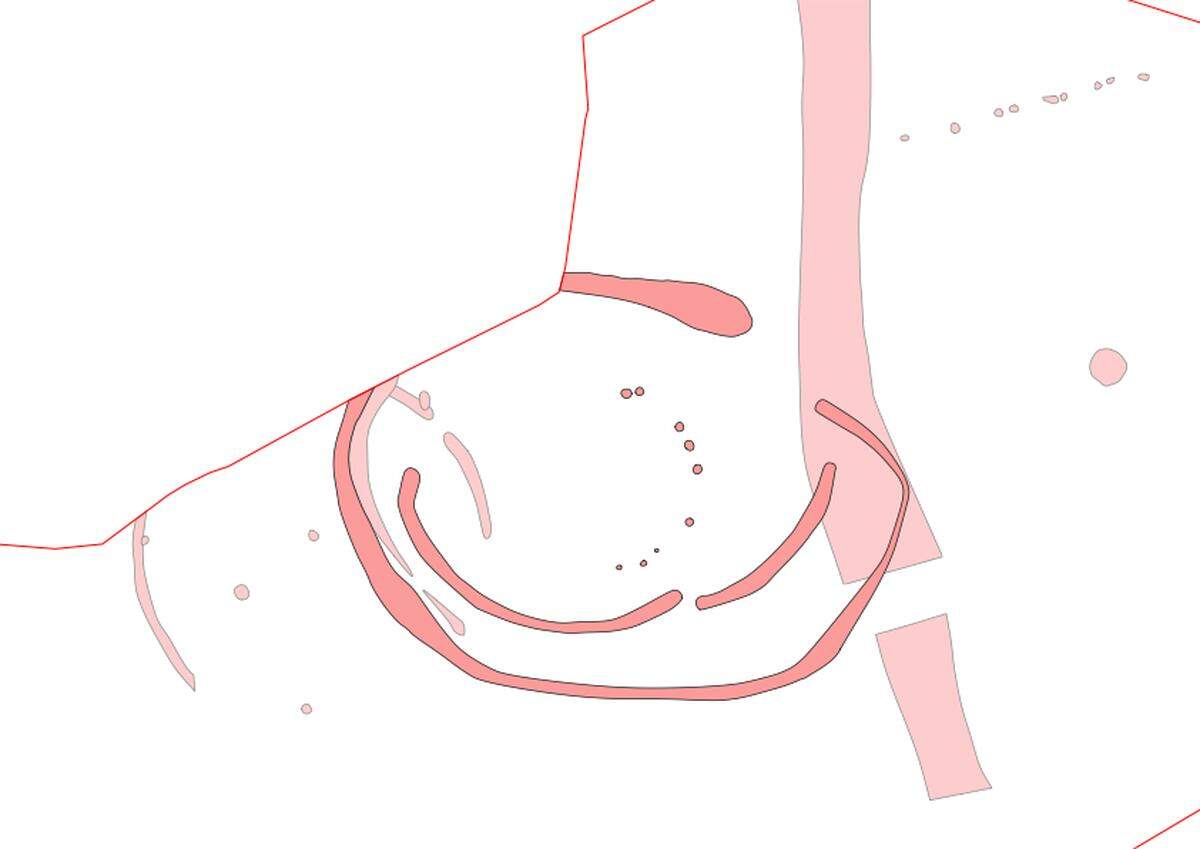
The ruined building had a distinct “semi-circular” outline because blacksmiths “needed semi-dark conditions” to work, archaeologists said. To prevent light from entering, iron workshops had a curving, “snail-shaped entry.” A diagram shows this outline.
Inside, archaeologists found traces of a hearth, metal waste materials, iron bars and a tuyere, the organization said. A tuyere is a piece used in conjunction with a set of bellows to direct air into the hearth while being protected from the heat.
“It’s exceptionally rare to find a complete tuyere, especially one that’s as old as this,” Gerry McDonnell, an archaeologist specializing in metallurgy, said in the release.
A photo shows the tuyere, which is made of rock, circular in shape and has a hole in the center.
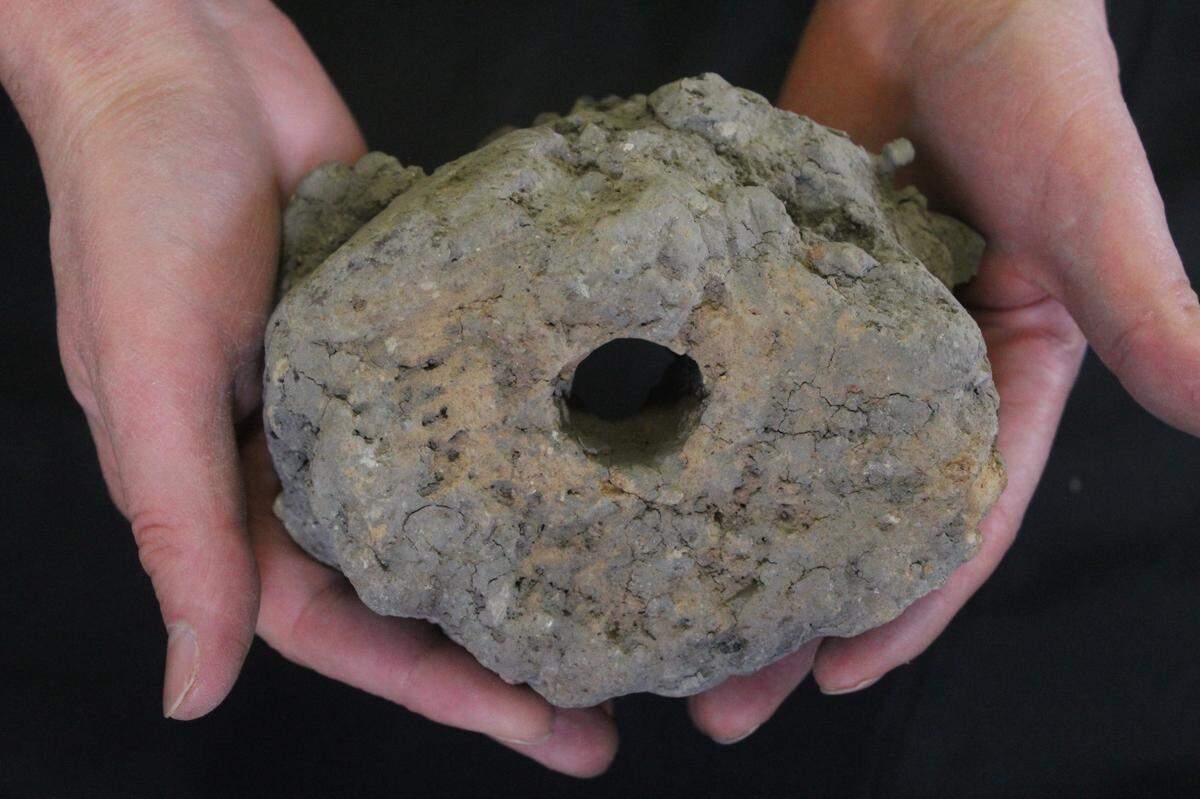
McDonnell said the size of the tuyere indicated that the workshop had a “larger and more specialized” hearth.
“The only reason a blacksmith would need a bigger hearth would be if they were forging something long like swords or trade bars, or big like cart wheels,” he said in the release. “And these wouldn’t be done by your average village (blacksmith) ... who would normally take care of everyday objects and repairs.”
Instead, archaeologists identified the workshop as belonging to a “master blacksmith” that produced “high-end iron artifacts.”
The iron workshop was at least 2,500 years old, dating between about 770 B.C. and 515 B.C., archaeologists said. This period corresponds with “the earliest days of iron working in Britain.”
.jpg "IMAGE 1A WIT Inside Roundhouse AI assisted v2.0 (no sparks).jpg")
“It’s an incredible thrill to uncover something like this,” Nat Jackson, a DigVentures director and the excavation’s leader, said in the release. “It basically allows us to peer back in time and see what could have been one of Britain’s earliest master blacksmiths at work.”
Archaeologists found almost 15,000 artifacts at the site in Oxfordshire, the organization said.
“The only thing we haven’t found is the (blacksmith’s) tools,” Jackson said.
The excavation site is near the Wittenham Clumps in Oxfordshire and about 50 miles west of London.
This story was originally published January 29, 2024 at 12:54 PM with the headline "‘Rare’ 2,500-year-old workshop of a ‘master blacksmith’ unearthed in UK. Take a look."