Metal detectorists stumble on ancient sacrificial site in dry lake. See the offerings
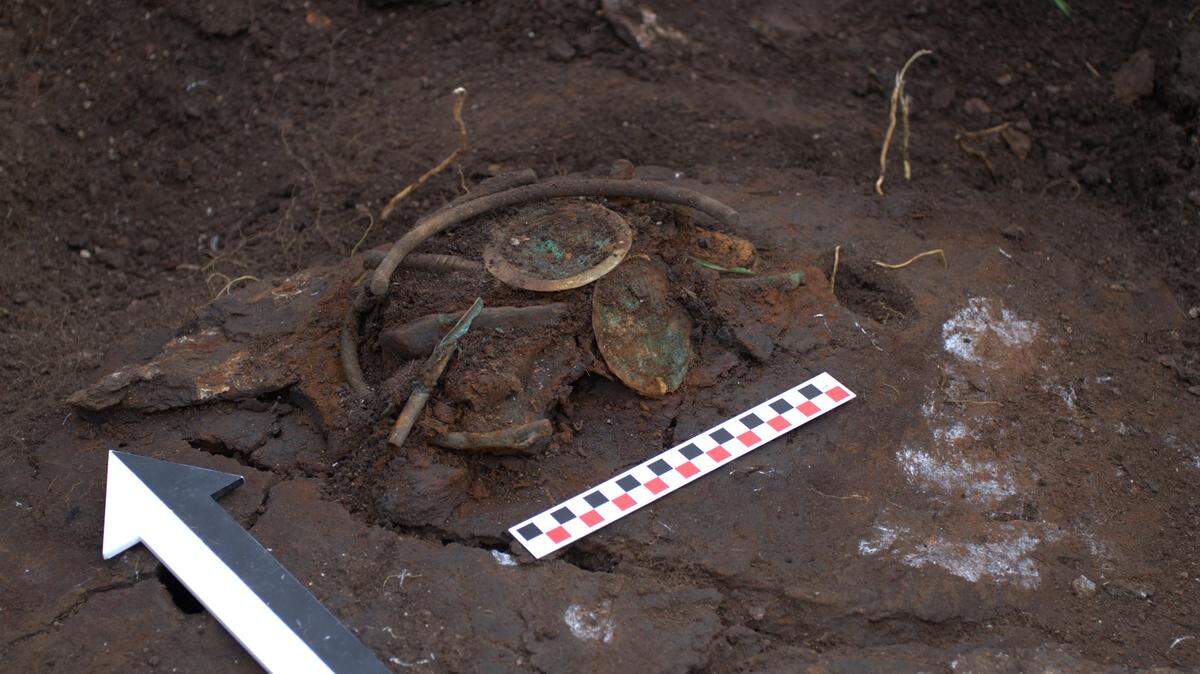
In a dried up lake in Poland, a group of metal detectorists stumbled on some buried objects — and uncovered an ancient sacrificial site. The more archaeologists dug into the dry lakebed, the more offerings they found.
Metal detectorists with the Kujawsko-Pomorska Grupa Poszukiwaczy Historii located the sacrificial site in January 2023 while searching a dry lake near Papowo Biskupie, according to a study published Jan. 24 in the journal Antiquity.
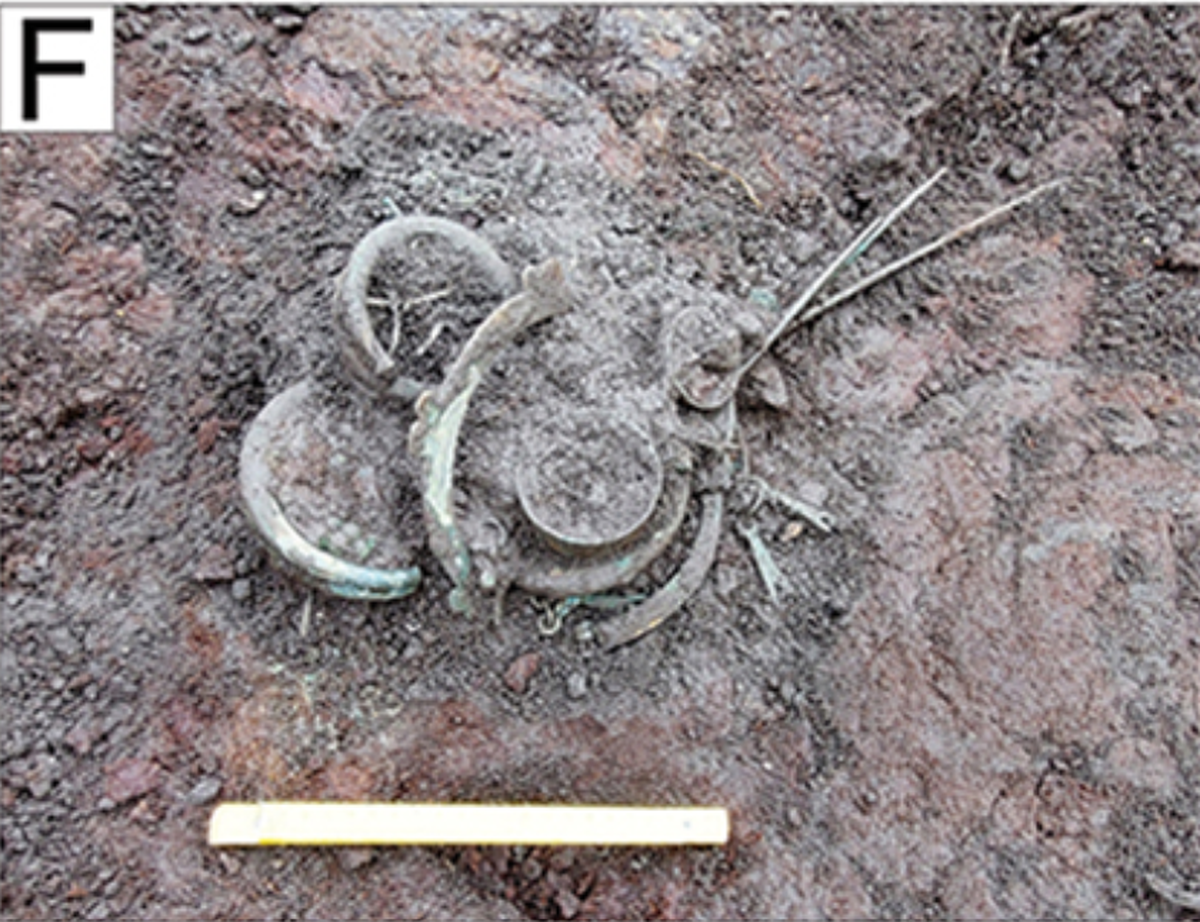
Initially, metal detectorists found three piles, or deposits, of bronze artifacts that archaeologists identified as part of an ancient sacrificial site. Photos show these deposits.
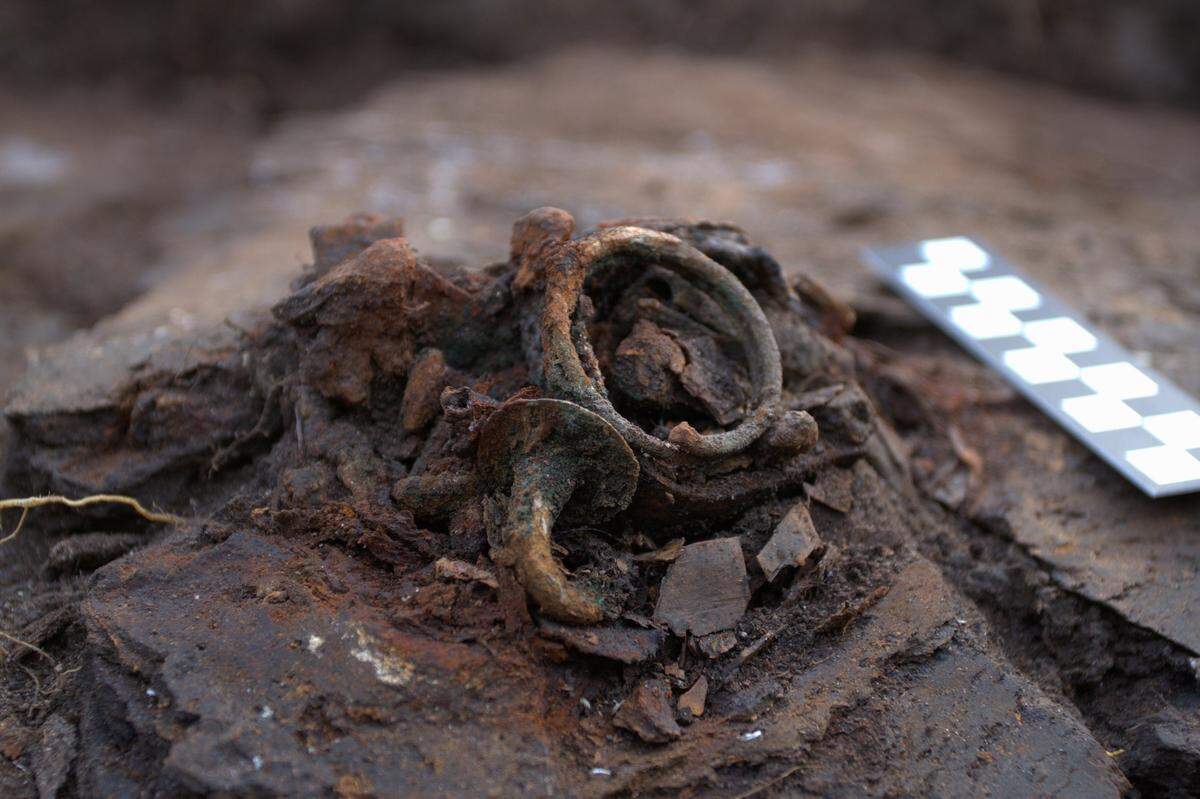
Follow-up excavations revealed more details — and hundreds more artifacts — at the dry lake.
Sacrificial offerings at the 2,400-year-old site took two main forms: human bones or bronze artifacts, the study said.
Archaeologists found the bones of at least 33 males and females of various ages. The bones were broken up and “severely fragmented” but did not show signs of “blunt or sharp force trauma.” Still, the bones likely belonged to sacrificial victims, the study said.
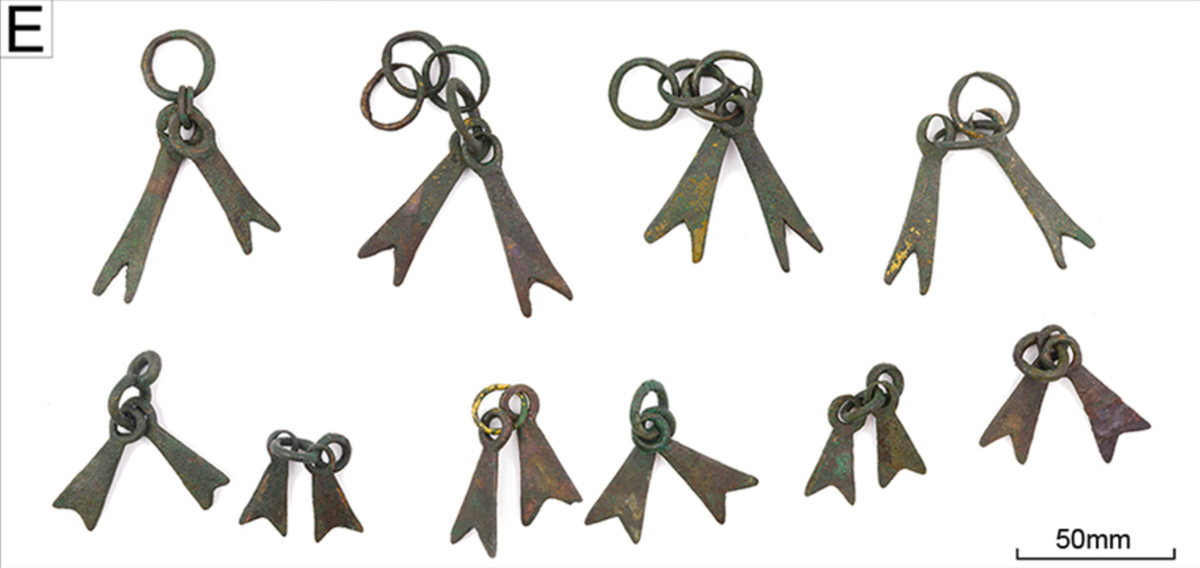
Excavations also uncovered over 550 bronze artifacts at the Papowo Biskupie site. Most of the objects were “arm and neck ornaments,” including a necklace with “several swallow-tail pendants and a single glass bead.” Photos show these ornamental offerings.
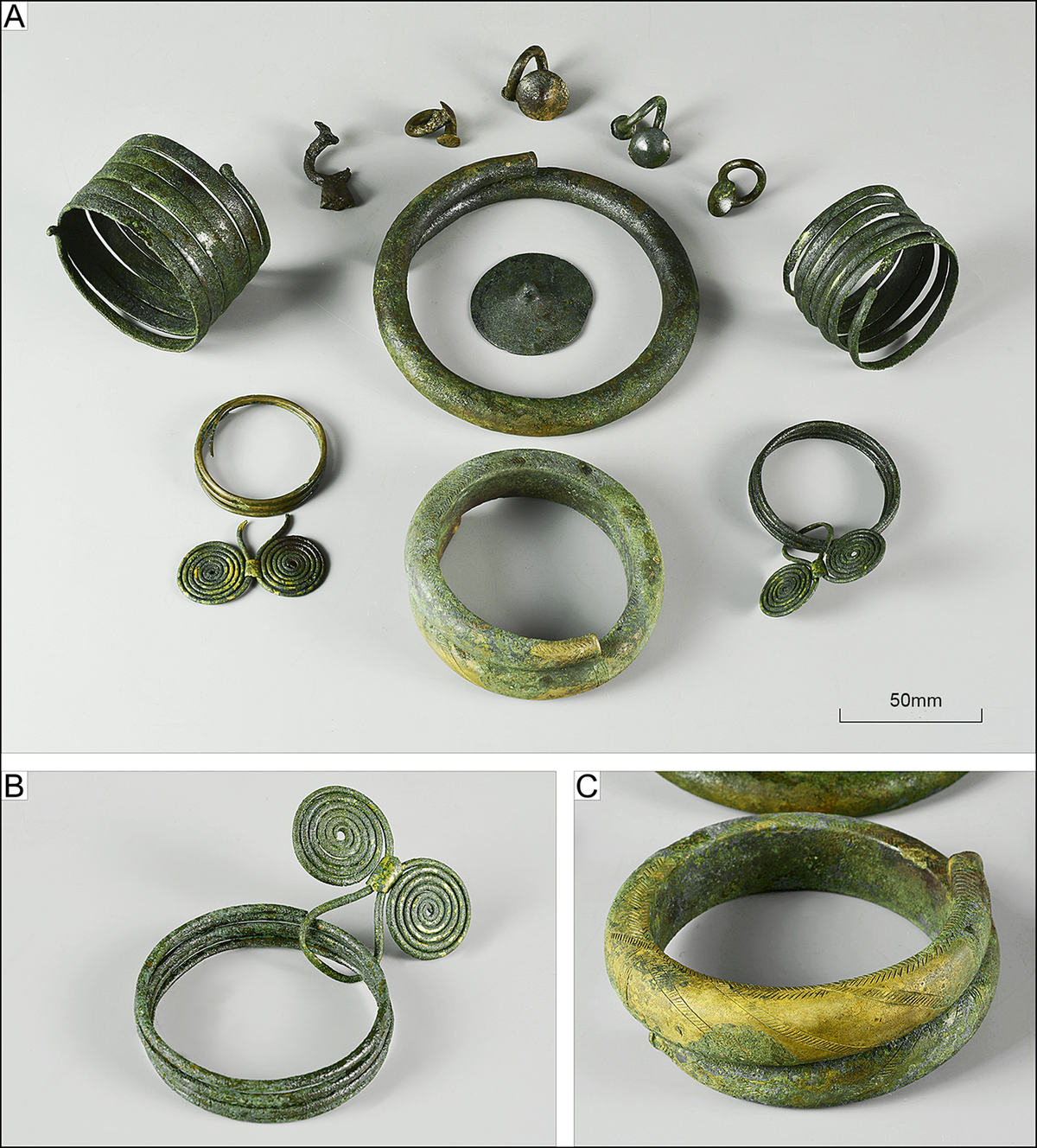
A pair of “nail-like earrings,” a “flint spearhead” and some artifacts made of deer antlers were also unearthed, the study said and photos show.
The human remains were several centuries older than the bronze artifacts, suggesting that rituals shifted over time from human offerings to metal offerings, the study said.
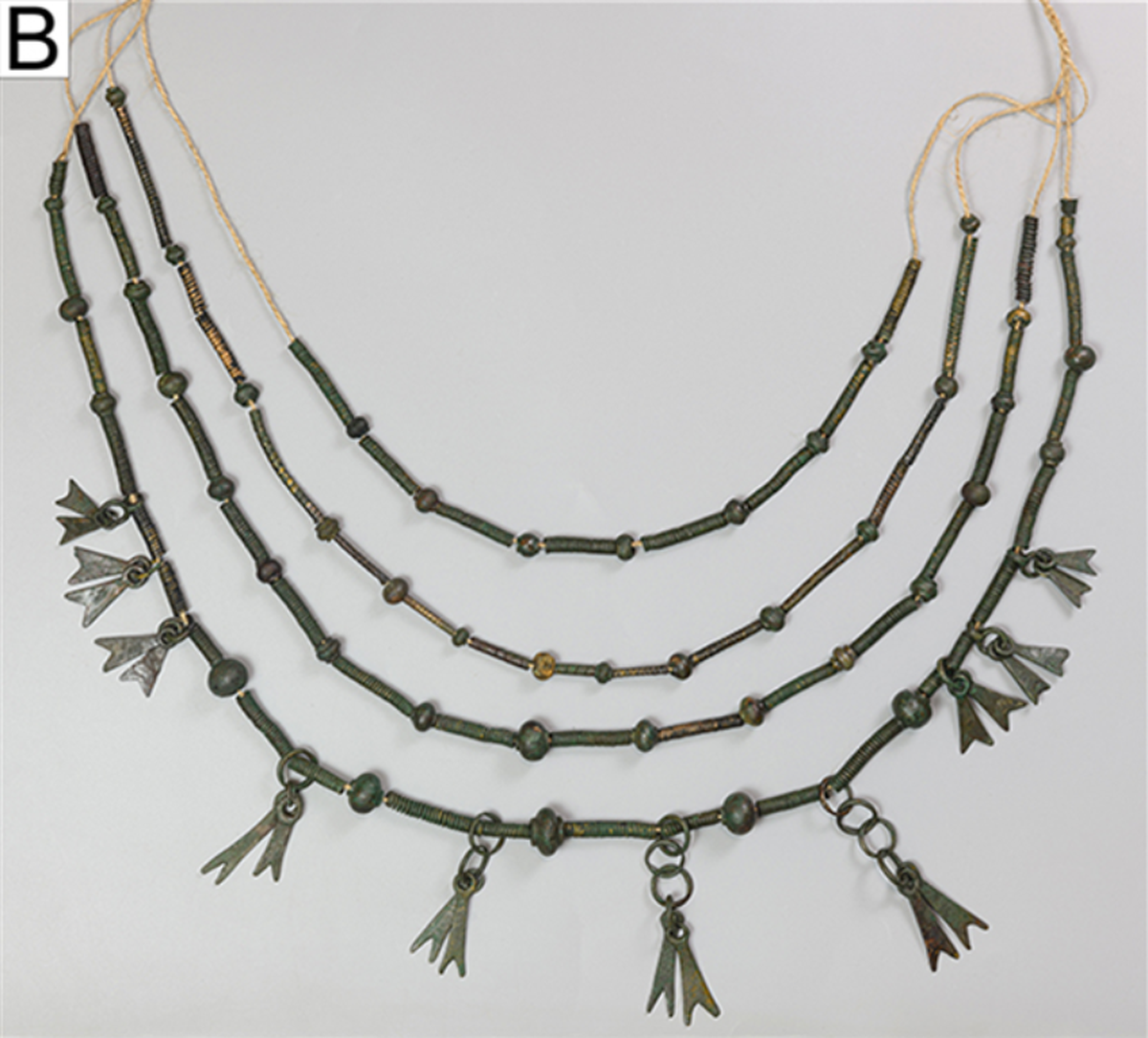
Based on the plant material found at the site, the offerings were likely “packed into baskets made of birch bark and lined with moss” then left in the lake when it was most waterlogged.
Archaeologists linked the 2,400-year-old sacrificial site to the Lusatian culture, a European Bronze Age culture known only from archaeology. The Papowo Biskupie area is “one of the northernmost communities of the Lusatian culture” and, for this reason, was previously assumed not to engage in “metal-hoarding.” The findings at the sacrificial site challenge this idea.
The Papowo Biskupie sacrificial site is one of the first of its kind in Poland and one of the northernmost bog sites found in Europe.
The dry lake near Papowo Biskupie was a boggy lake until the 19th century when it was drained. In the 1980s, it was drained again and turned into agricultural land, the study said.
Researchers noted that these are “preliminary findings” and excavations at Papowo Biskupie are ongoing.
Papowo Biskupie is about 130 miles northwest of Warsaw.
The research team included Jacek Gackowski, Łukasz Kowalski, Wiesław Lorkiewicz, Agnieszka Noryskiewicz, Michał Jankowski, Dariusz Kamiński, Paweł Molewski, Tomasz Purowski, Barbara Wagner, Aldona Garbacz-Klempka, Grzegorz Osipowicz, Magdalena Przymorska-Sztuczka, Andrzej Kowalski, Mateusz Sosnowski, Andrzej Podgórski and Grazyna Szczepańska.
This story was originally published January 24, 2024 at 1:58 PM with the headline "Metal detectorists stumble on ancient sacrificial site in dry lake. See the offerings."