Crusty creatures with ‘rather complex’ genitalia found in caves. It’s a new species
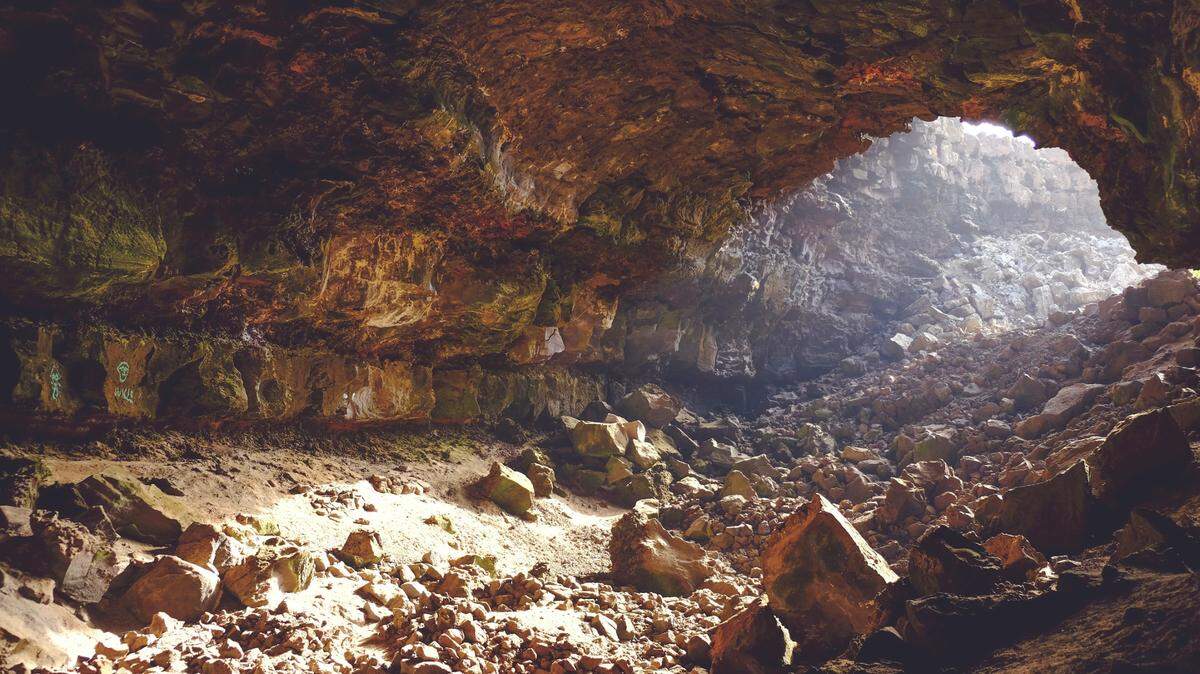
Deep within a cave in Brazil, a crusty creature crawled along the moist, rocky ground. Something about the subterranean animal caught the attention of nearby scientists.
The scientists were surveying wildlife in the reddish, iron-rich cave system of the Carajás Mountains, according to a study published Sept. 13 in the journal Zoosystema. These “extensive surveys” took place between 2005 to 2019, “resulting in a considerable amount of material available for study.”
During these cave surveys, scientists collected over 1,300 millipedes and preserved the specimens in museum collections but did not identify them, the study said.
Intrigued, another group of researchers analyzed the millipedes and discovered they belonged to a new species: Pseudoporatia kananciue, or the Kananciuê millipede.
Kananciuê millipedes have 19 body segments, or “body rings,” that are “crusted by sediments of iron ore,” the study said. The millipedes have an unspecified number of legs, which are “not visible from above.”
The Kananciuê millipede is considered “relatively big,” reaching about 0.3 inches in length, study co-author Luiz Iniesta told McClatchy News in an Oct. 24 email.
Photos show several Kananciuê millipedes. The animal’s body is a whitish cream color with speckles of orange-red, the same color as the surrounding dirt. Their “body rings” look almost like waxy pieces and appear held together by the thinner worm-like body underneath.
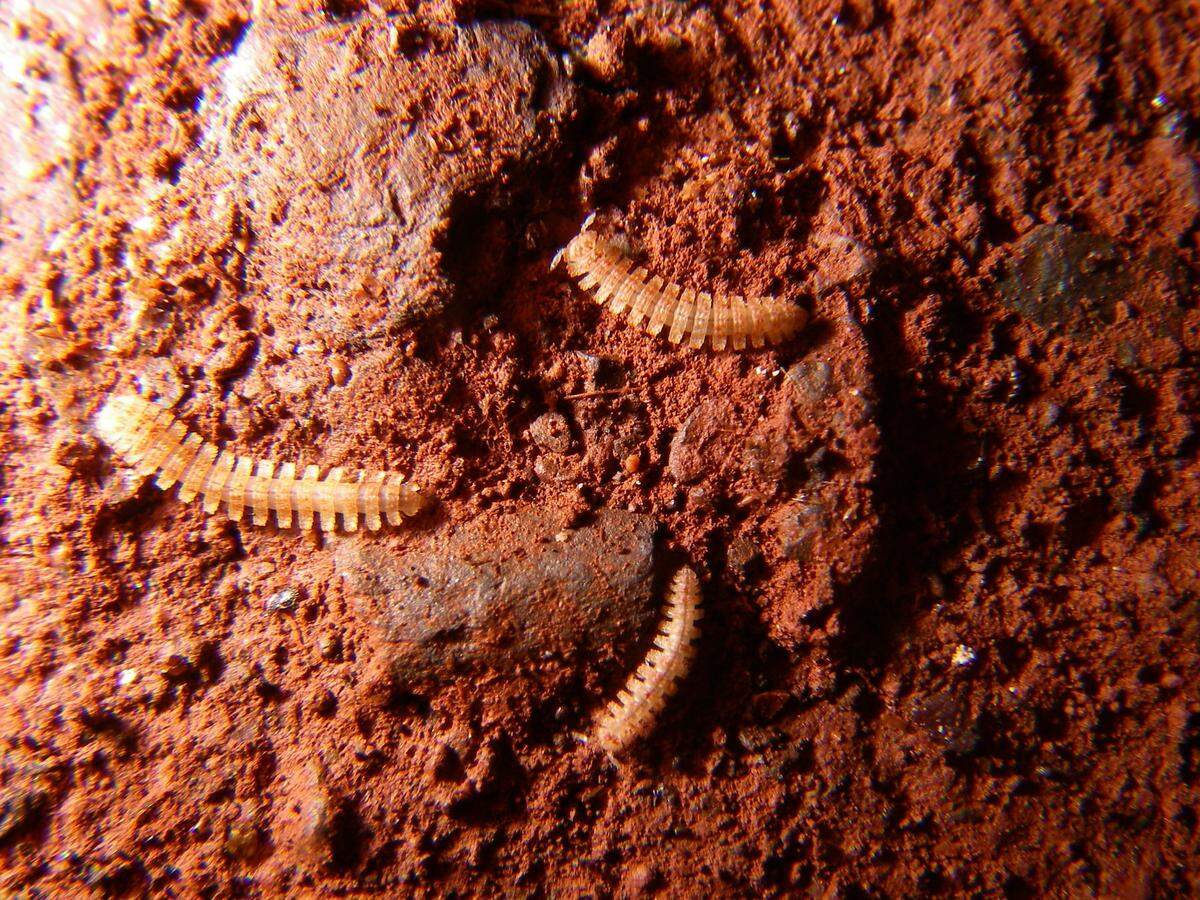
A close-up photo of a single Kananciuê millipede shows a pair of antennae extending horizontally from its head.
Male Kananciuê millipedes have “rather complex” genitalia, researchers said. Its genitalia is located near its head segments and has an oval shape, photos in the study show.
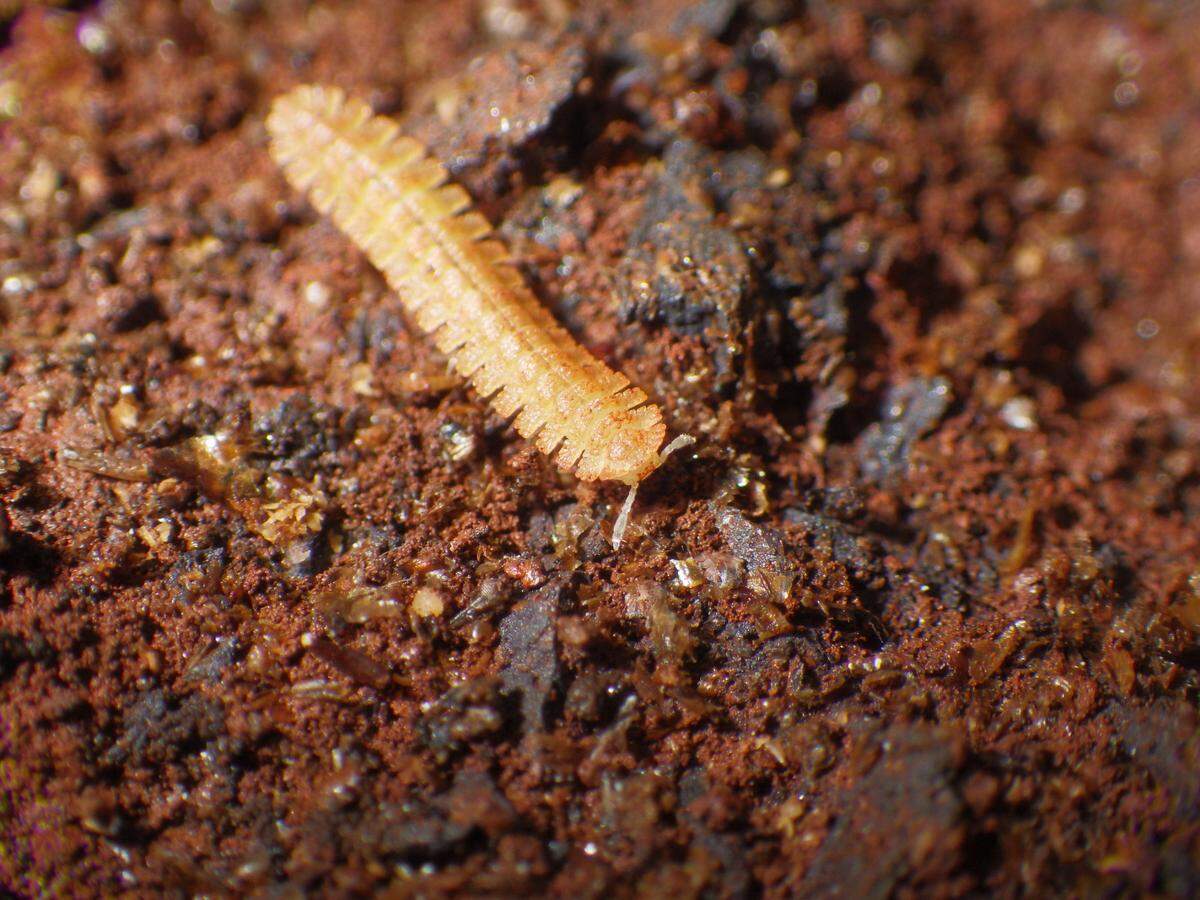
Kananciuê millipedes have a subterranean and cave-dwelling lifestyle. They prefer “moist areas with any organic debris” in the sections of the cave with minimal light, the study said. Large groups of millipedes were found around “huge deposits” of bat guano.
The new species is “widely distributed” in rocky, iron-rich caves of the Carajás Mountains, researchers said. These caves are “connected with each other by a huge network of small channels.”
Despite this habitat, the new species has “no clear morphological adaptations” for subterranean living, Iniesta said.
Researchers said they named the new species after Kananciuê, the main deity of the indigenous Karajás tribe that lives in the Carajás Mountains where the millipedes were discovered.
The Carajás Mountains are part of a national forest in the state of Pará and about 700 miles northwest of Brasília, the capital city.
The new species was identified by its body segments, genitalia and other subtle physical features, the study said. Researchers did not provide a DNA analysis of the new species.
“The species richness of millipedes remains vastly underestimated in the Amazonian rainforest,” researchers said.
The research team included Iniesta, Rodrigo Bouzan, Claudio Souza, Robson Zampaulo, Igor Cizauskas and Antonio Brescovit.
This story was originally published October 25, 2023 at 3:16 PM with the headline "Crusty creatures with ‘rather complex’ genitalia found in caves. It’s a new species."