Watch ‘iconic’ animal return to Australian national park 50 years after disappearing
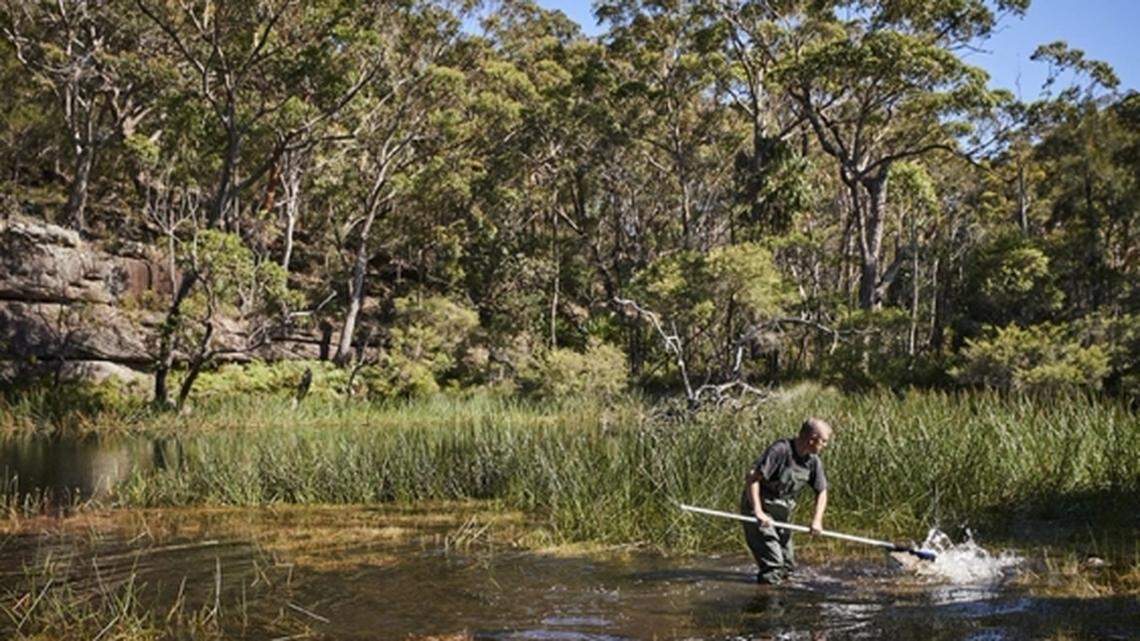
Australia’s Royal National Park was once brimming with platypuses — which are endemic to the country. But it’s been more then 50 years since one of the creatures has been spotted in the park.
That is until last week when a reintroduction plan three years in the making was finally launched by the University of New South Wales, Sydney, scientists, the university said in a May 14 news release.
Four female platypuses were released on the banks of the park’s Hacking River, the university said. The platypuses are the first batch of what will eventually be a group of 10 including four males and six females.
Experts hope by introducing the group of 10, they can create a self-sustaining population of platypuses within the park.
“We really want platypus to be the new sentinels of our rivers. If your platypuses are doing well, the river is probably in pretty good shape,” Richard Kingsford, director of the Centre for Ecosystem Science and member of the UNSW platypus research team, said in the university’s release.
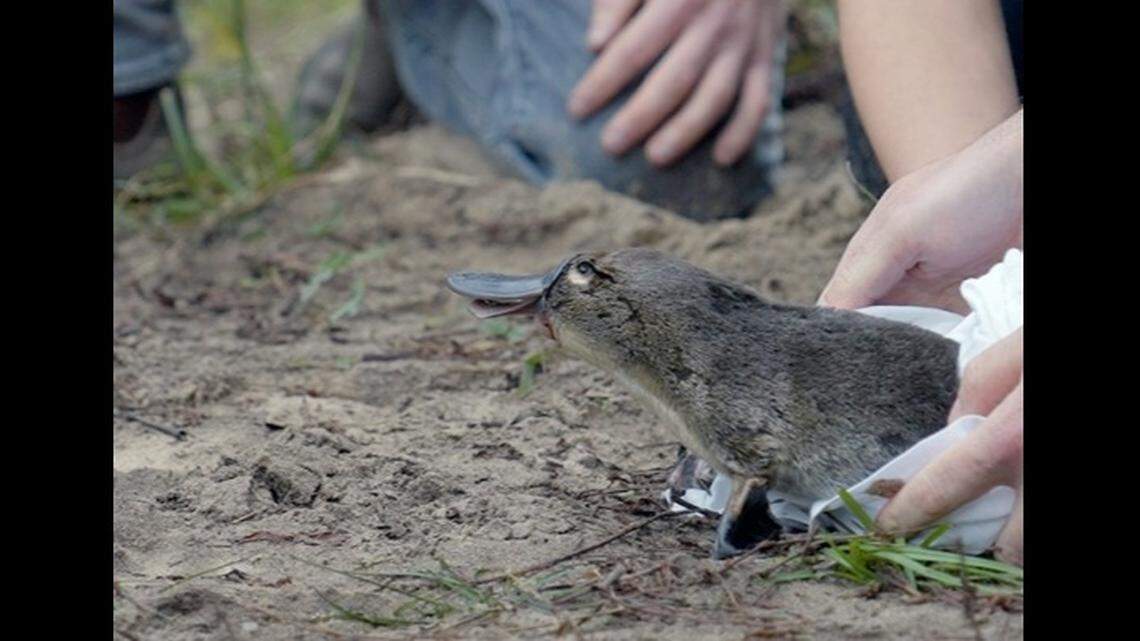
“It is fitting that we should be returning this top river predator to its right place,” Kingsford said in the release. “Exciting reintroductions like this provide a focus for monitoring management and learning how to deliver for conservation.”
The creatures were collected from various sites in southern New South Wales that have more established platypus populations, researchers said.
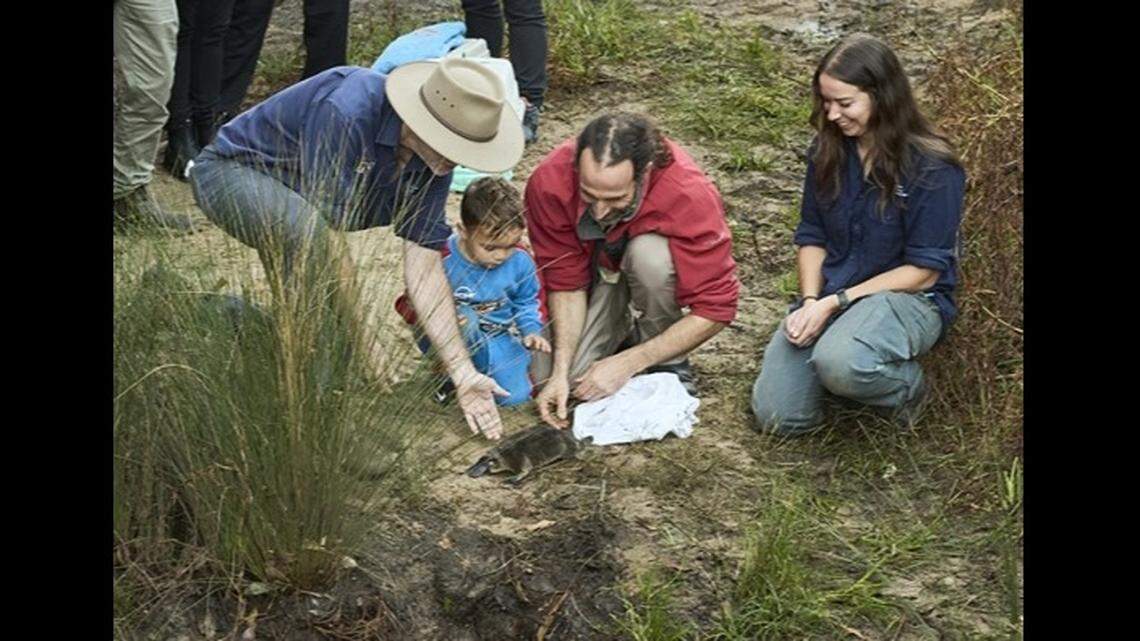
“The welfare of the platypuses was always our highest priority – both at the source sites and the release site at Royal National Park,” Tahneal Hawke, a researcher who worked on the project, said in the release. “We collected platypuses from multiple sites across multiple rivers to ensure no impacts to the source populations, and to ensure genetic diversity of the introduced population at Royal National Park.”
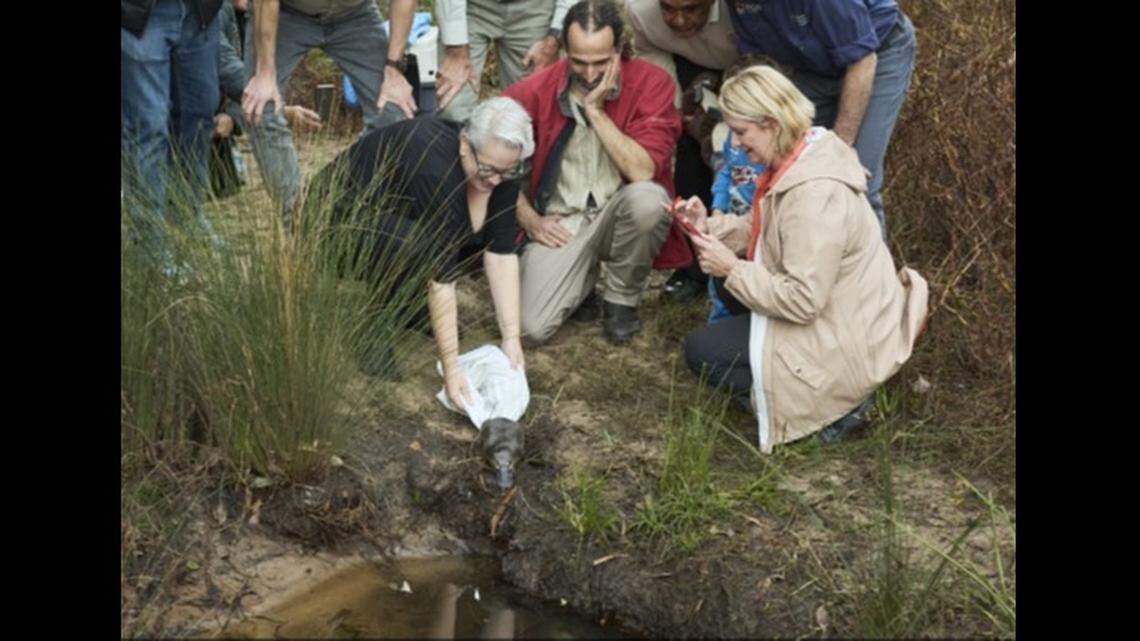
Scientists working on the project said they will spend the next several months monitoring the platypuses and their environment.
An ‘iconic’ creature
Platypuses are considered an Australian “enigma”, but in recent years, they have been classified as a “near-threatened species,” according to the Platypus Conservation Initiative.
A 2020 survey by researchers at the university found that the region of eastern Australia where platypuses live has shrunk by about 22% in the last 30 years, the school said in a March 2022 news release. This change can be attributed to land clearing, droughts and river regulation, according to researchers.
“The platypus is an evolutionarily distinct mammal, making it of exceptional scientific value and an irreplaceable component of the Australian and global biodiversity,” the conservation initiative said.
The Royal National Park is located in Sydney.
This story was originally published May 16, 2023 at 3:56 PM with the headline "Watch ‘iconic’ animal return to Australian national park 50 years after disappearing."