Ancient sphinx statue unearthed in Egypt depicts a Roman emperor, experts say
Nearly 2,000 years ago, Tiberius Claudius Caesar Augustus Germanicus — better known as Claudius — ascended the throne as the emperor of ancient Rome. During his 13-year reign, Claudius expanded the Roman empire to northern Africa and parts of the Mediterranean, including regions that now make up Morocco, Algeria and Turkey.
Now, archaeologists in Egypt think they have unearthed artifacts that show the extent of Claudius’ reach.

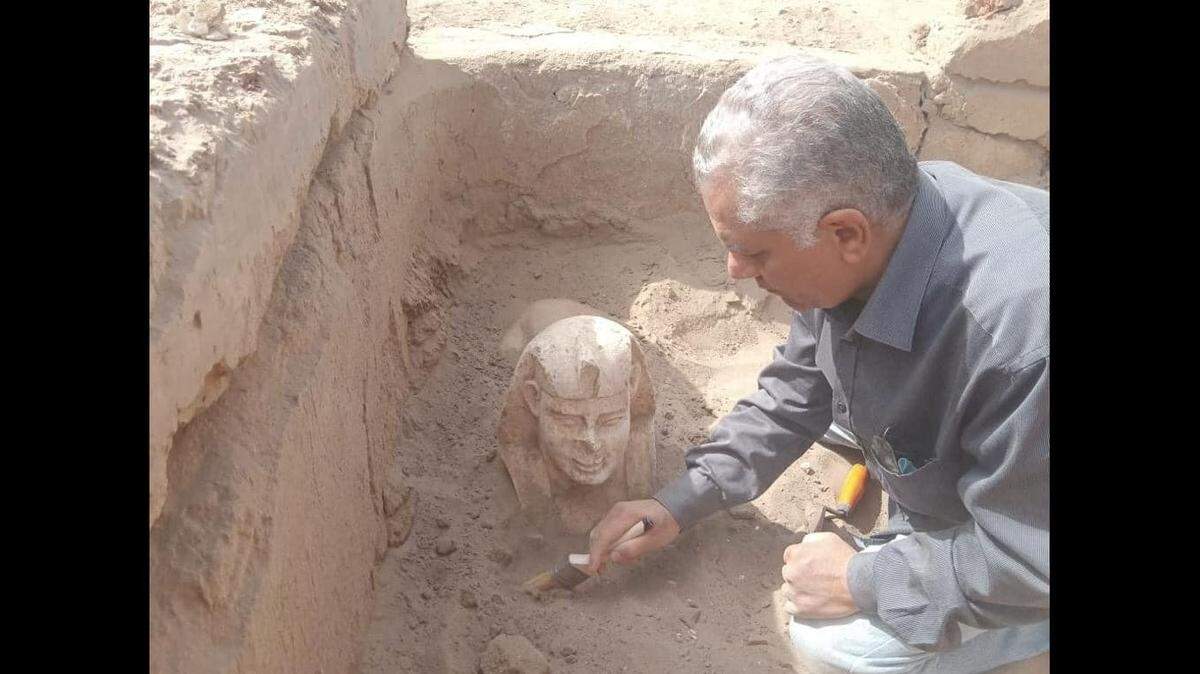
Within the ruins of a Roman-era limestone cabin, archaeologists from Ain Shams University discovered a sphinx statue with the face of Claudius, the Egyptian Ministry of Tourism and Monuments said in a March 6 Facebook post.
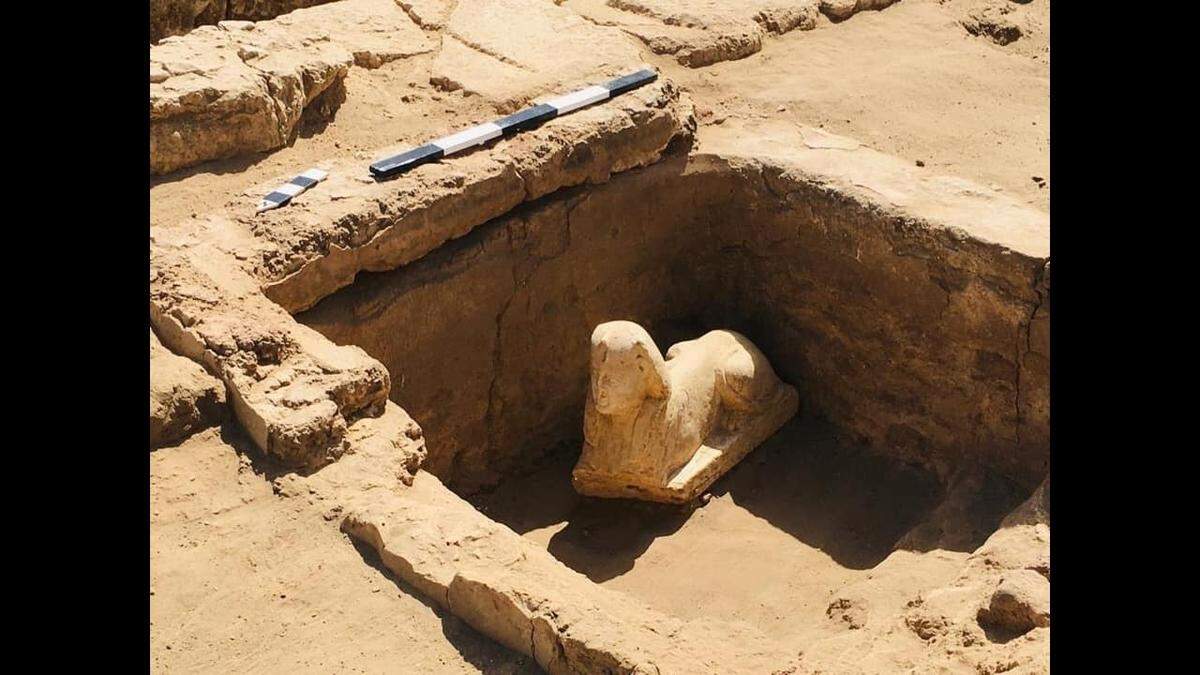
Experts described the statue as having a face with royal features, including a slight smile, two dimples and traces of yellow and red. The sphinx is also wearing a Nemes — a royal headdress.
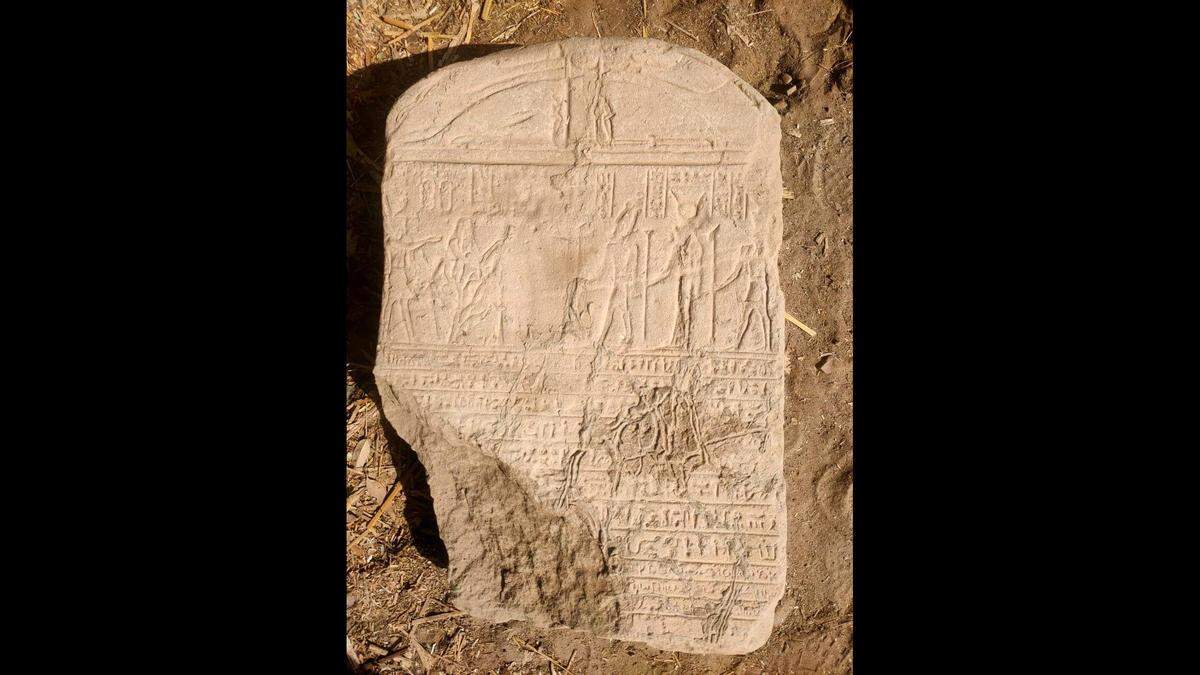
Beneath the statue was a tablet with paintings of hieroglyphs and demotics, the ministry said. Both items were found within a red brick water-storage basin that was once a part of a larger cabin.

During the Roman empire, emperors allowed and even encouraged depictions of themselves as pharaohs to keep Egypt stable and loyal to the empire, according to Scientific American. Although Claudius never visited Egypt, his rule was still an important aspect of Egyptian life that was legitimized through similar works of art.
The finds were found in Qena Governorate, which is in the eastern region of Egypt, about 370 miles south of Cairo.
Google Translate and Facebook Translate were used to translate a news release from the Egyptian Ministry of Tourism and Monuments.
This story was originally published March 6, 2023 at 4:10 PM with the headline "Ancient sphinx statue unearthed in Egypt depicts a Roman emperor, experts say."