Poop trail seen by satellites leads to discovery of new penguin colony in Antarctica

Scientists in Antarctica identified a new colony of emperor penguins after spotting poop stains on satellite imagery.
Researchers in Antarctica were looking at satellite imagery and spotted a trail of brown-colored stains, according to the British Antarctic Survey’s news release from Thursday, Jan. 20.
The brown stains were penguin guano, or poop, the release said. The bird poop stood out from the surrounding ice and rock, leading researchers to identify a colony of emperor penguins.
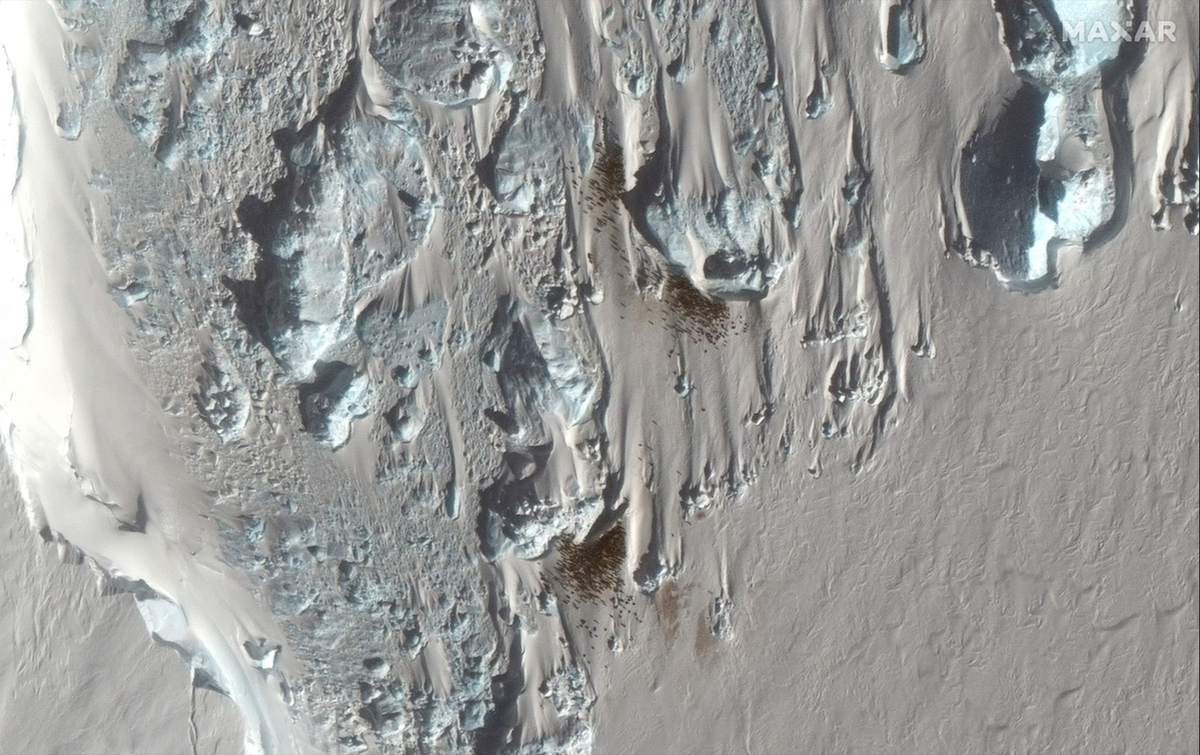
The new colony near Verleger Point is home to about 500 emperor penguins. It’s the 66th known emperor penguin colony along the Antarctic coastline.
Emperor penguins are the largest species of penguins and commonly “known for its stately demeanor and black-and-white coloration,” according to Britannica.
Colonies of emperor penguins need sea ice to breed, researchers explained. Their colonies are located in remote and inaccessible areas where temperatures can drop to -76 degrees Fahrenheit.
Because of this, emperor penguin colonies are often hard to find and study. About half of the known colonies were discovered using satellite technology, per the release.
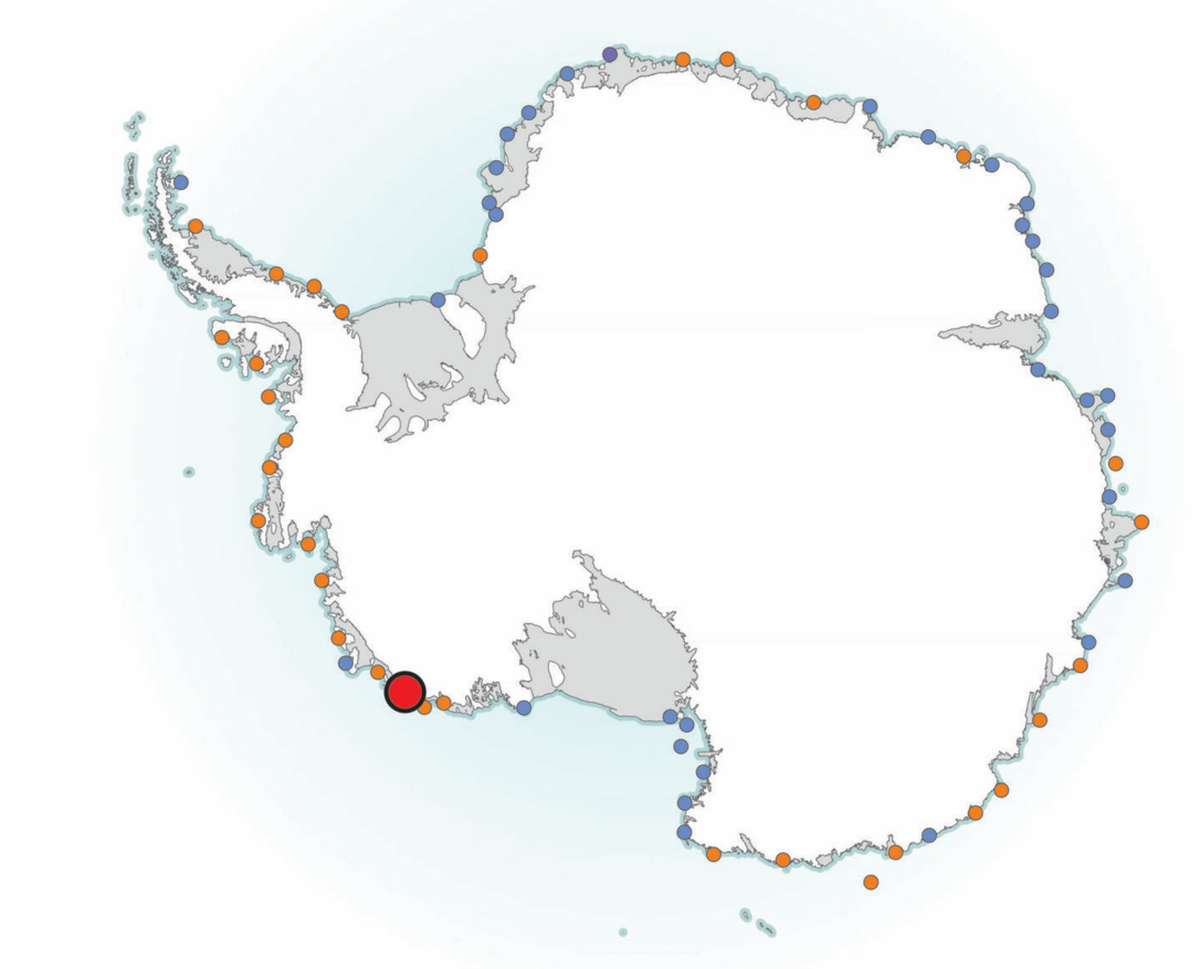
“This is an exciting discovery,” lead researcher Peter Fretwell said in the release. “The new satellite images of Antarctica’s coastline have enabled us to find many new colonies. And whilst this is good news, like many of the recently discovered sites, this colony is small and in a region badly affected by recent sea ice loss.”
Scientists estimate that 80% of penguin colonies may be “quasi-extinct by the end of the century” due to climate change-induced sea ice loss, the release said.
This story was originally published January 20, 2023 at 12:14 PM with the headline "Poop trail seen by satellites leads to discovery of new penguin colony in Antarctica."