Look inside the tomb of ‘the midwife of Jesus’ as Israel plans to open cave to public
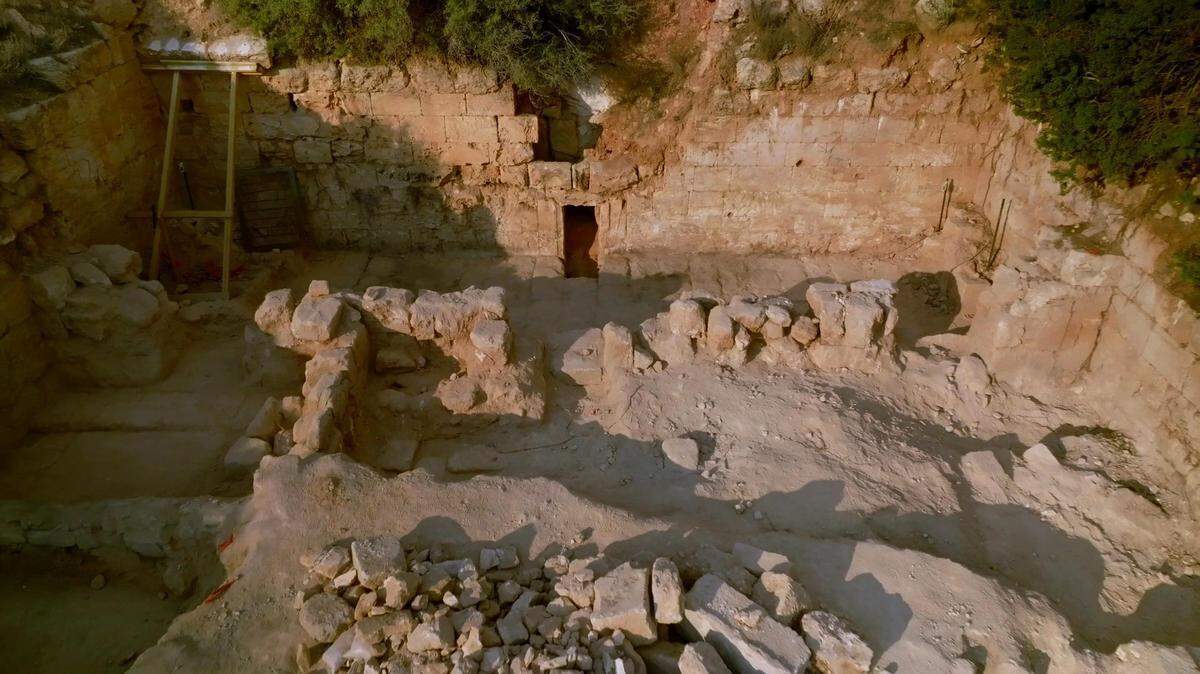
Nestled in the lush green forest of southern Israel lies an impressive burial cave of a notable Jewish figure that archaeologists will soon open to the public.
According to Jewish tradition, the 2,000-year-old tomb contains the burial of Salome, “the midwife of Jesus,” the Israel Antiquities Authority said in a Dec. 20 news release. The site is known as the Salome Cave.
Jewish tradition says that Salome was called to help the virgin Mary give birth to Jesus, archaeologists Nir Shimshon-Paran and Zvi Firer said in the release. Salome, however, didn’t believe that she was helping deliver a virgin’s baby. As a result, her hand became dry, healing only when she held the baby’s cradle, the researchers said.
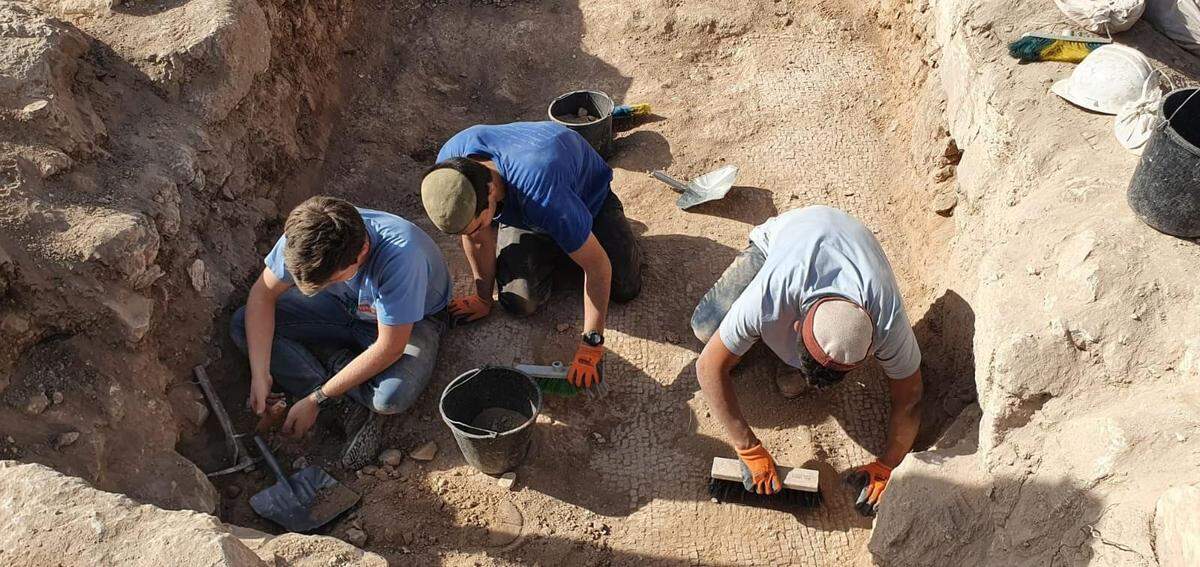
Salome’s Cave was first re-discovered by looters about 40 years ago, experts said. Archaeologists excavated the burial cave and — most recently — an exterior courtyard leading to the cave.
The massive courtyard stretched across about 3,700 sq. feet, researchers said. Stone walls surrounded the area and stone mosaics formed the floor.
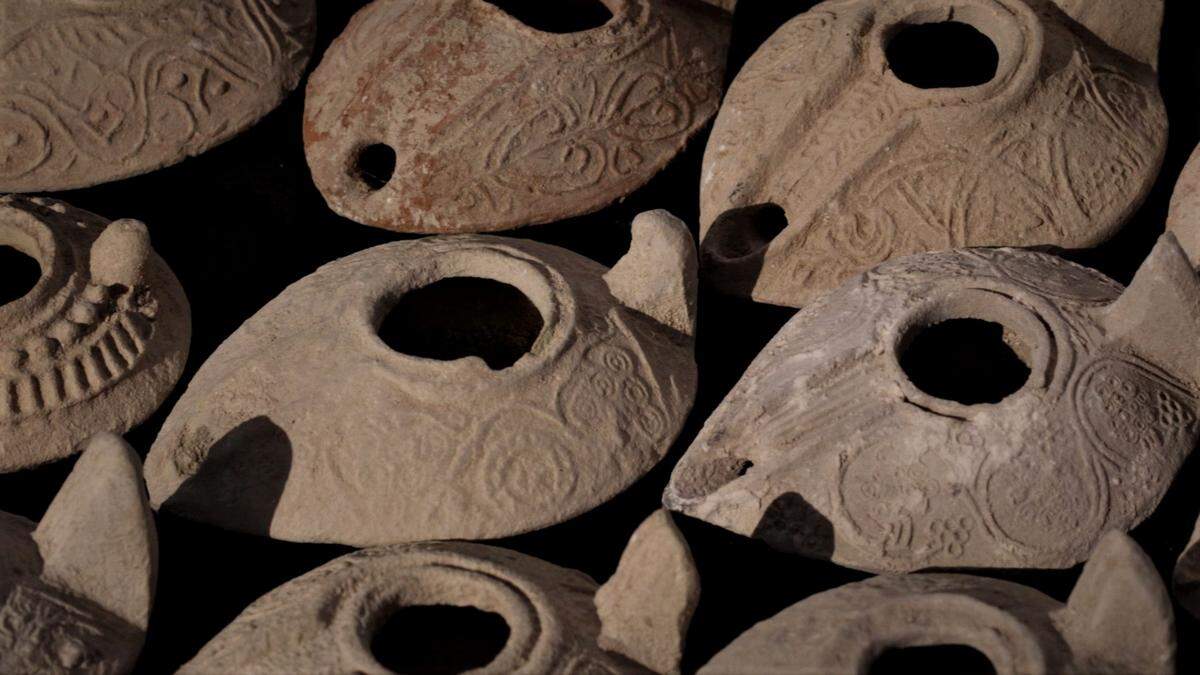
In the courtyard, archaeologists uncovered shop stalls that sold or rented clay lamps around 800 C.E., the release said. “The lamps may have served to light up the cave, or as part of the religious ceremonies, similarly to candles distributed today at the graves of righteous figures, and in churches,” Paran and Firer said.
The excavation exposed an entrance to the burial cave, photos show. Around the entrance, some stones were carved with “characteristic Jewish features,” the release said, including a stylized flower design known as a rosette, pomegranates and leafy acanthus vases.
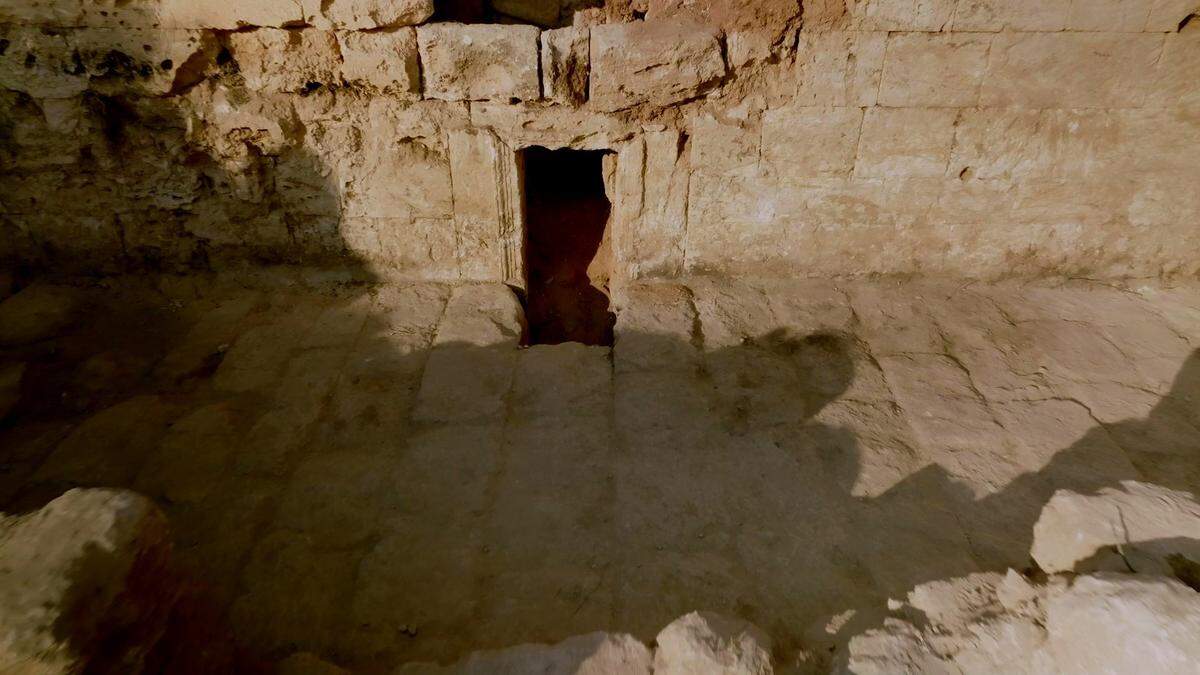
Inside, the burial cave has several rooms, photos show. Arching doorways and carved windows separated different chambers.
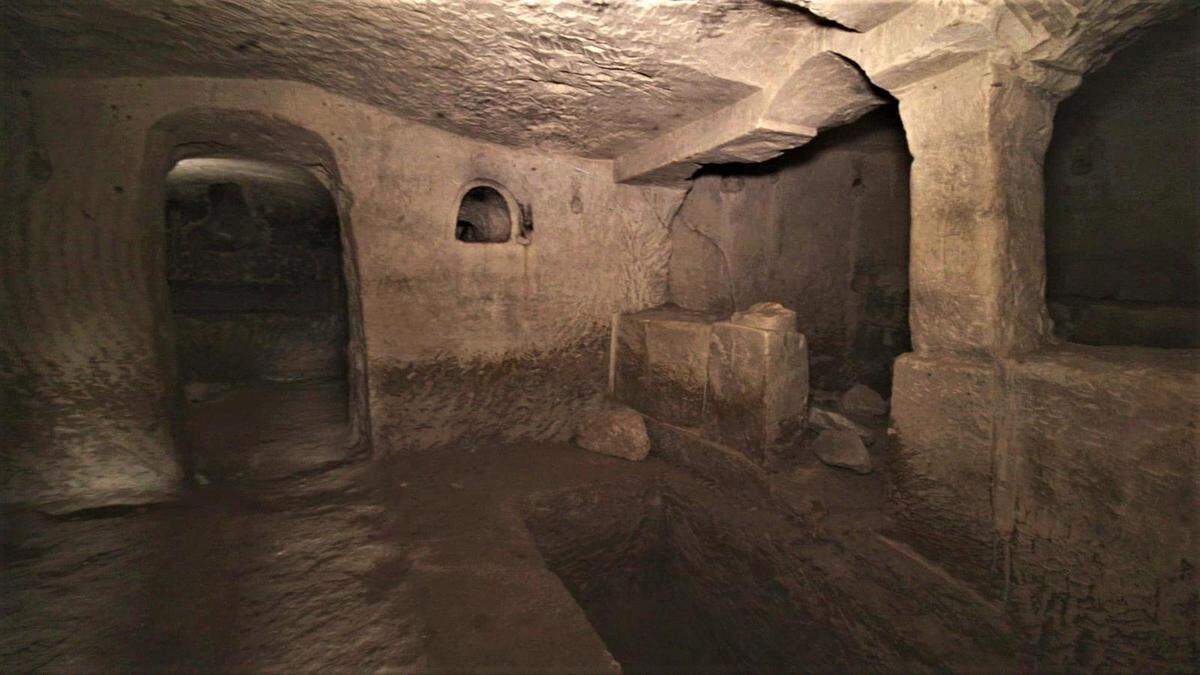
Within the chambers, burial niches were carved into the rock walls, photos show. Archaeologists also found remnants of stone boxes, a custom of Jewish burials.
Some of the walls in the cave were engraved with crosses and inscriptions dedicated to Salome and dating to the Byzantine and early Islamic period, the release said. The mixture of Arabic engravings and Christian iconography indicated the cave was adapted as a Christian chapel where people continued to pray when the region was conquered by Muslims, experts said.
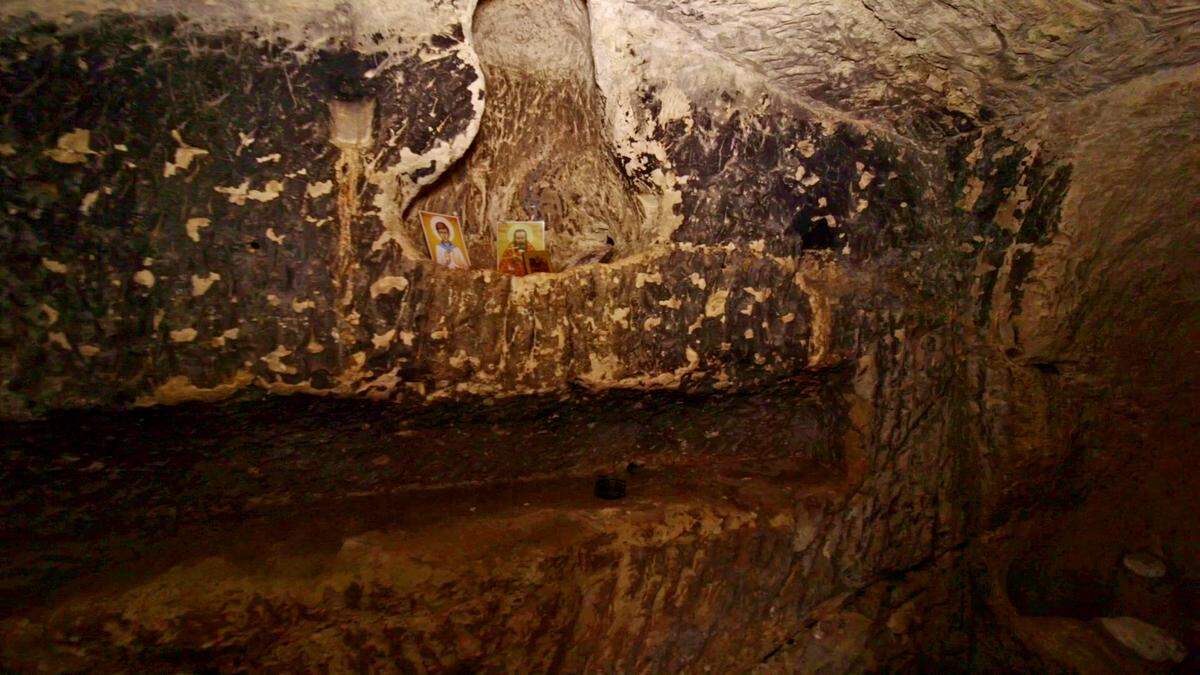
The site is “one of the most impressive burial caves” found in Israel, the release said. Yet “Salome is a mysterious figure,” Paran and Firer said.
Archaeological authorities plan to open the courtyard and cave to the public after restoration of the site is complete, Saar Ganor, the director of the project, said in the release.
Lachish Forest is about 30 miles southwest of Jerusalem.
This story was originally published December 20, 2022 at 11:22 AM with the headline "Look inside the tomb of ‘the midwife of Jesus’ as Israel plans to open cave to public."