Bones uncovered in Denmark believed to be human sacrifice from thousands of years ago
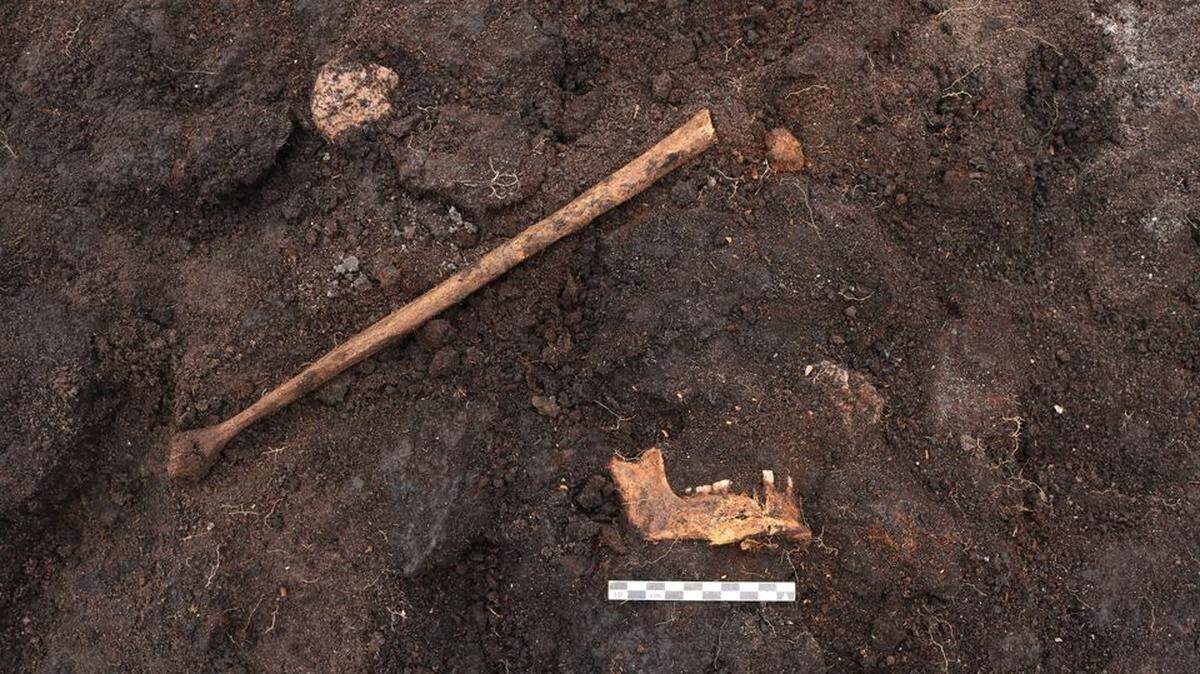
As archaeologists in Denmark were working on a pre-construction excavation in October, they uncovered a number of ancient artifacts. The group found animal bones and ceramics from a bog as they searched in Egedal, about 20 miles northwest of Copenhagen.
That’s when Christian Dedenroth-Schou, an archaeologist at ROMU, saw a human femur bone in the mud, according to a Dec. 2 news release from the museum group. Further digging unearthed a jaw bone, a pelvis and other bones from a right and left leg.
Now, experts say the bones likely came from a human sacrifice made thousands of years ago.
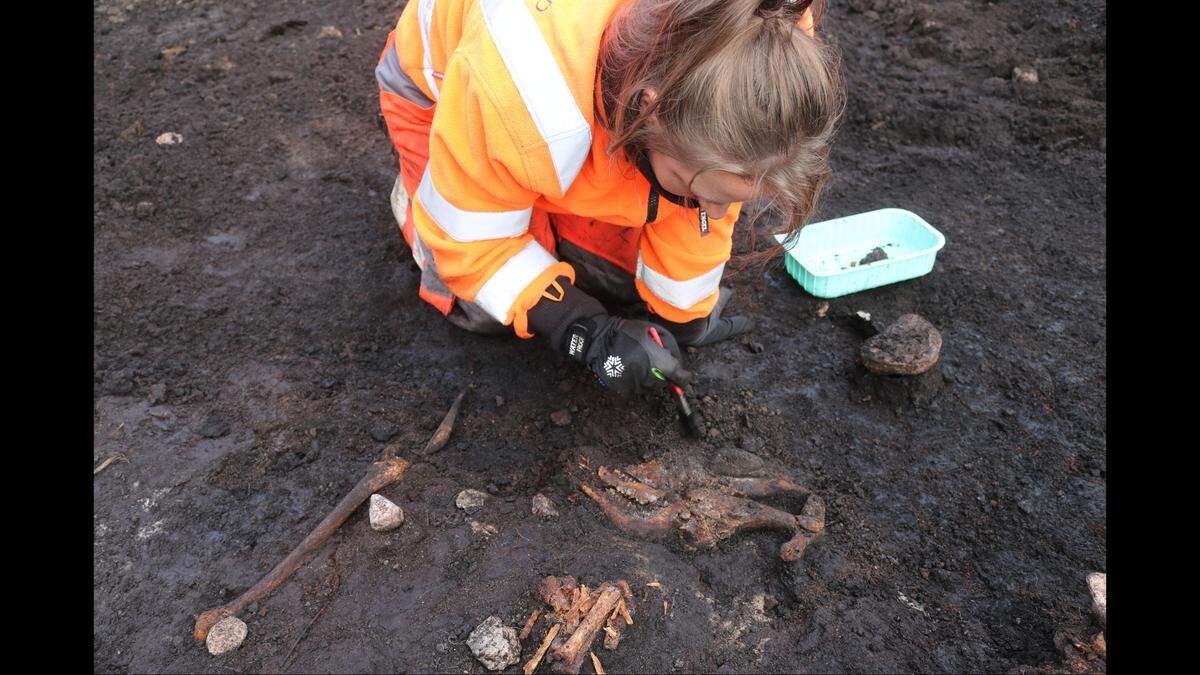
The group said it also discovered an ancient flint ax and a collection of animal bones and ceramics about 30 to 50 feet away from the remains, indicating the body was likely part of a larger ritual.
Although the bones show no signs of execution or sacrifice, Emil Winther Struve, another ROMU archaeologist, said the remains match the ancient tradition of ritualistic burials and sacrifices in similar bogs, according to another news release from Dec. 1.
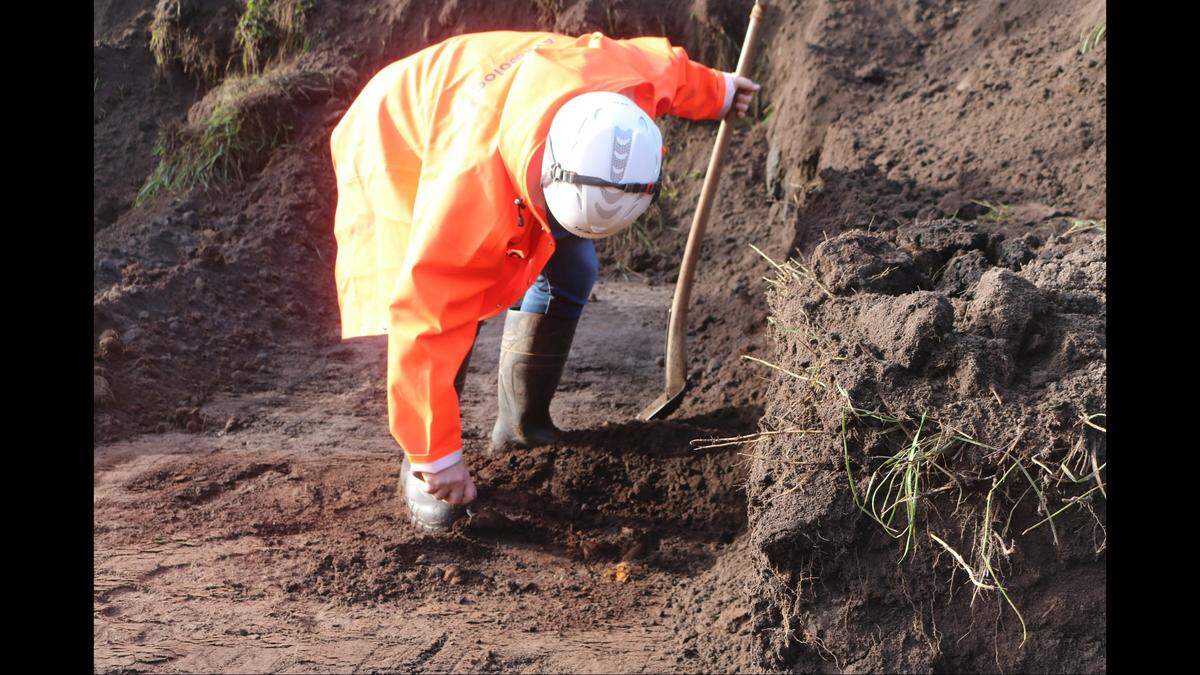
Struve said experts have already determined the region was part of a trade and transport corridor where ancient communities settled. A critical part of those communities was sacrifices and rituals.
Now, the remains are being tested to determine the person’s age and gender, archaeologists said. City officials are hopeful the results will provide greater insight into Egedal’s history.
Google Translate was used to translate the news releases from ROMU.
This story was originally published December 19, 2022 at 11:35 AM with the headline "Bones uncovered in Denmark believed to be human sacrifice from thousands of years ago."