
Photos from space show huge lakes created by ‘monster monsoon’ devastating Pakistan
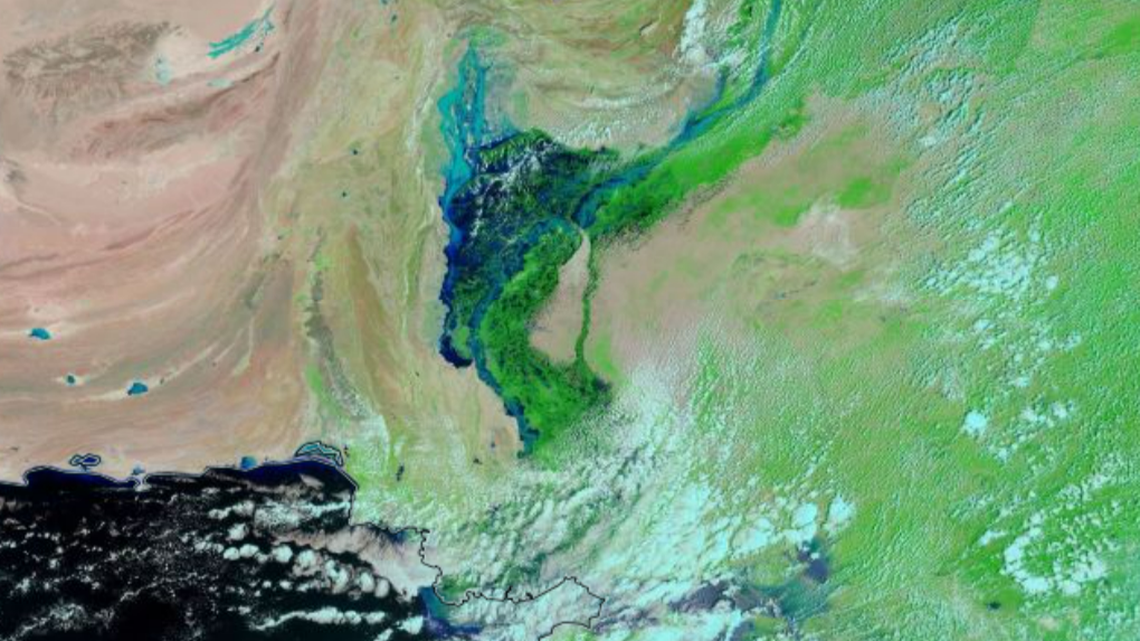
Months of severe monsoon rains have caused deadly floods and wreaked havoc across Pakistan. And now that devastation can be seen from space.
The country’s current monsoon season began June 14 and has brought a deluge of rain for weeks. The country has received 189% more rainfall than usual, according to Pakistan’s National Disaster Management Authority in a situation report from Wednesday, Aug. 31.
“One-third of Pakistan is underwater,” the country’s minister of climate change, Sherry Rehman, told Sky News in an interview Monday. The day before, she told DW that, “many districts are beginning to look like they’re part of the ocean.”
Satellite photos illustrated her statement.
A massive inland lake in southern Pakistan could be seen from space on Sunday, images from NASA’s MODIS Land Rapid Response Team showed. The intrusive waters — seen as a bright blue swath against the brown and green land — stretched over 70 miles wide and 210 miles long at their maximum points.
Images of this year’s monsoons present a stark visual contrast to images from the same time last year. Overlaid, the deep blue and striking turquoise of the current flood waters cover an area that was dry and brown during last year’s monsoons, NASA images show.
Sindh, the province seen in the satellite images, has received 461% more rainfall this year than an average year, according to the National Disaster Management Authority.
On the ground, the flooding has devastated Pakistan. The monsoons have killed at least 1,191 people – including 399 children – and affected over 33 million more, the National Disaster Management Authority reported.
Over a million houses have been partially or fully destroyed, authorities said.
“This Monster Monsoon has been relentless, unprecedented, and completely another level of torrential rain,” Rehman tweeted on Wednesday. Adding that it has obviously “brought an unmitigated climate dystopia to our doorstep.”
The level of catastrophe is evident in photos and videos of homes surrounded by floodwater.
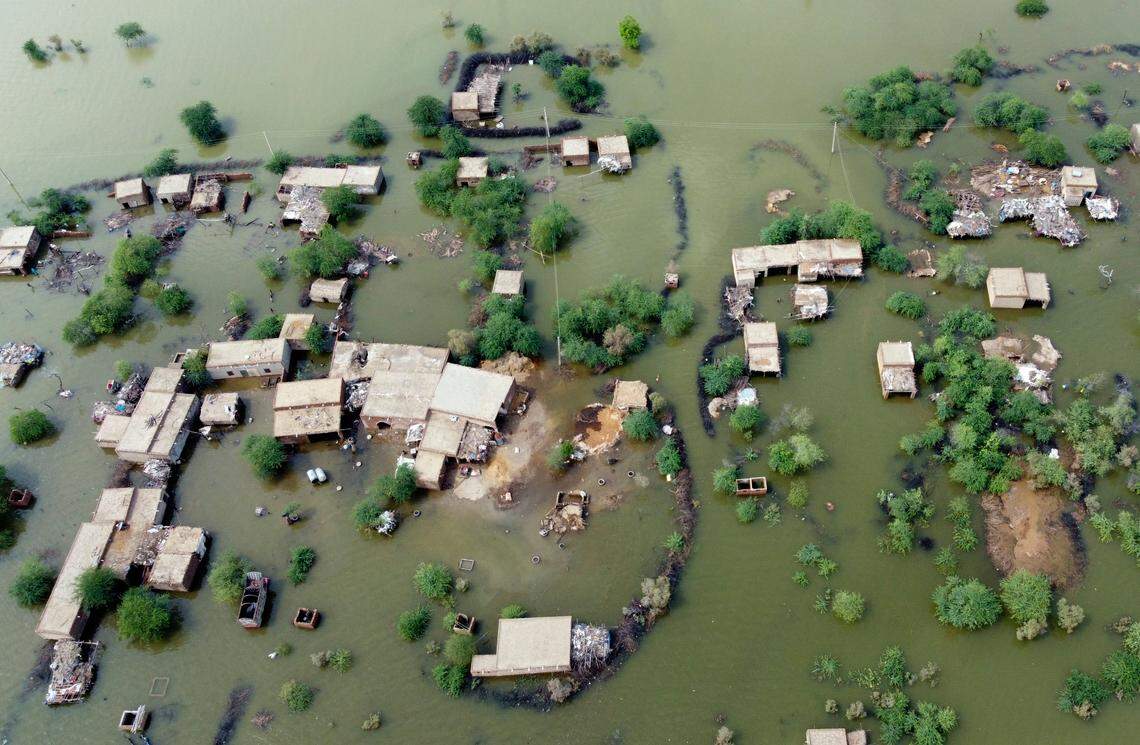
Nearly half a million people have been displaced to relief camps as of Wednesday, national authorities reported. Rescue efforts continue to reach those still trapped or marooned by the flooding.
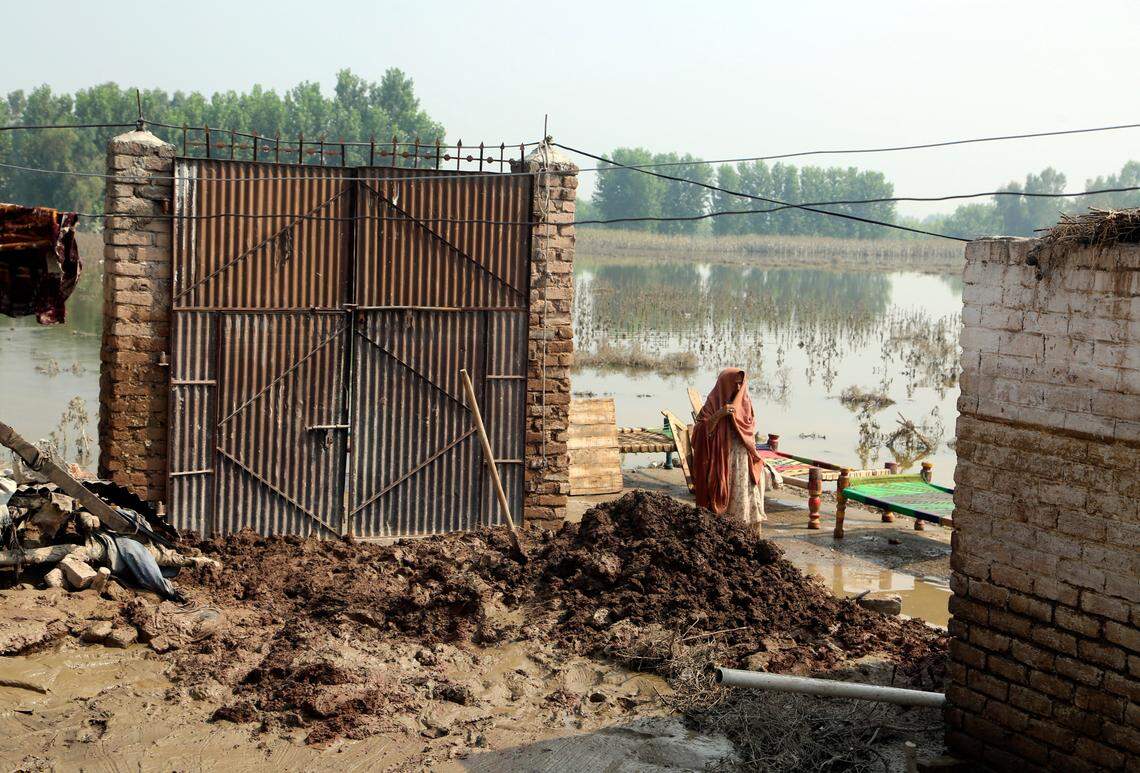
Human-induced climate change has amplified the intensity, duration, and devastation of Pakistan’s current monsoon season, experts have repeatedly explained.
UN Secretary-General António Guterres tweeted on Tuesday, “Let’s stop sleepwalking towards the destruction of our planet by climate change. Today, it is Pakistan. Tomorrow, it could be your country.”
Pakistan and the UN have issued urgent calls for relief and aid, CBC reported.
Forecasts from the National Disaster Management Authority on Aug. 31 anticipate slightly drier weather tomorrow with continued rainfall and thunderstorms around the already-flooded rivers. Pakistan still has another month of monsoon season left, CNN reported.
This story was originally published August 31, 2022 at 11:21 AM with the headline "Photos from space show huge lakes created by ‘monster monsoon’ devastating Pakistan."
