‘Bottom line is aircraft are not supposed to collide.’ Probe begins in American Airlines crash
Surveillance camera images of the collision of a military helicopter and an American Airlines jet as it descended to land at a Washington, D.C. airport late Wednesday will be helpful in determining the cause.
As will the communication between the pilots and the air traffic controllers. Protocol calls for their tower to be locked down after a collision in order to preserve data and perhaps discussions that were not broadcast over the radio air.
Just as critical to determine why the jet and Army Blackhawk helicopter came to occupy the same space will be information and recordings extracted from the cellphones of the 60 deceased passengers. Although the devices may have been damaged when they were thrust into the Potomac River, experts said it is likely that the cellphones will yield key answers on what was happening seconds before impact, as phones burned in post-impact fires have in other crashes.
“They will be taken,” Austin-based attorney Mike Slack, a licensed pilot who has represented plaintiffs in mid-air collision cases, said of passenger cellphones.
Because the collision late Wednesday at Reagan Washington National Airport is classified by the NTSB as a major investigation, a member of the body’s board will lead the probe. Groups of experts on weather, air traffic control, flight operations and other areas will each prepare technical reports ahead of a public hearing.
The NTSB final report will likely take 18 months to release and will include a probable cause and safety recommendations directed, perhaps, to the FAA, American Airlines and the Army.
Investigators will consider the flight paths and the altitudes, air speeds and angles of both aircraft.
And they will likely review the role of negligence in keeping the jet and helicopter separate and the responsibility of the pilots and air traffic controllers to prevent catastrophe.
“The bottom line is aircraft are not supposed to collide,” aviation attorney Jim Brachle said.
On final approach, the American jet was descending from 500 feet to zero feet as the helicopter was operating at an altitude restriction of 200 feet.
“That is not a lot of separation,” Brachle said.
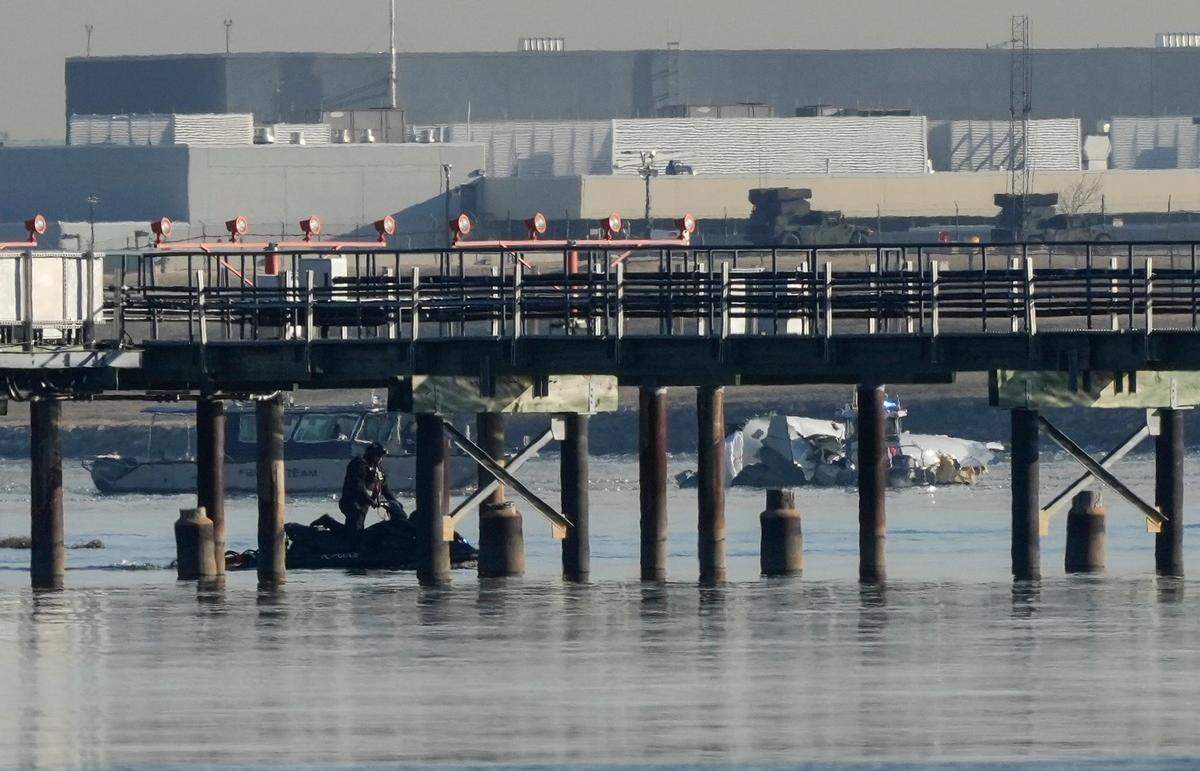
In part to be certain that evidence does not become stale, relatives of passengers will likely not wait for the release of the NTSB final report to consider filing lawsuits.
Families could bring claims alleging negligence against Fort Worth-based American Airlines.
“They could also sue the U.S. government,” under the federal tort claims act, Slack said, if attorneys representing relatives of passengers conclude that the helicopter pilots failed to see and avoid the American jet.
The collision occurred during a landing approach in Washington, causing both aircraft to crash into the frigid Potomac River and killing 67 people in the worst U.S. commercial aviation disaster in years.
Flight 5342, operated by PSA Airlines from Wichita, Kansas, to Reagan Washington National Airport, collided with an Army Blackhawk helicopter at 8:48 p.m. ET. American Airlines said the CRJ-700 Bombardier was carrying 60 passengers and four Charlotte-based crew members; the helicopter was involved in a training flight with three soldiers aboard.
The bodies of 28 people had been recovered by early Thursday, and efforts to find the remains of other passengers were underway.
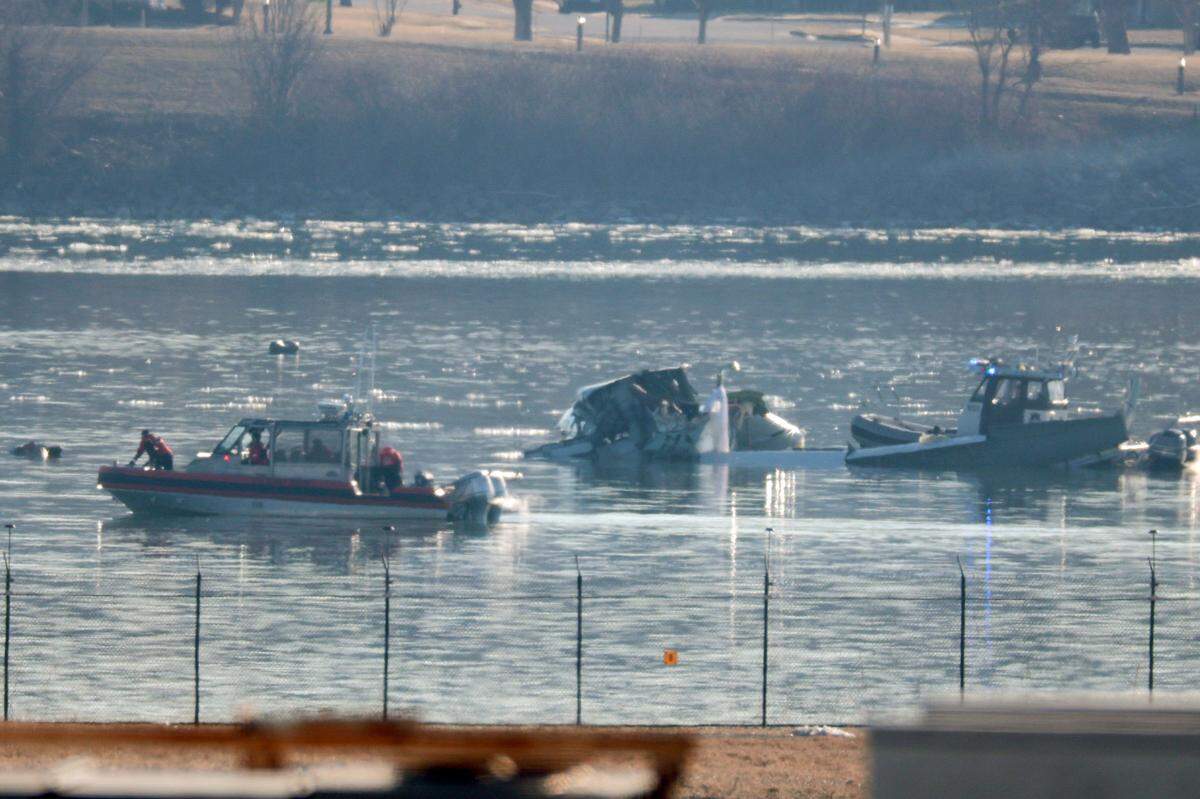
The NTSB assessment will examine the role of the extreme challenges of flying at Reagan Washington National Airport.
“The environment around Reagan is not the environment around Meacham,” Slack said of the Fort Worth airport.
The airspace in Washington is complex, and the difference between a near-miss and tragedy is a matter of feet.