Critically endangered tiger gives birth, MN zoo says. See ‘beacon of hope’ for species
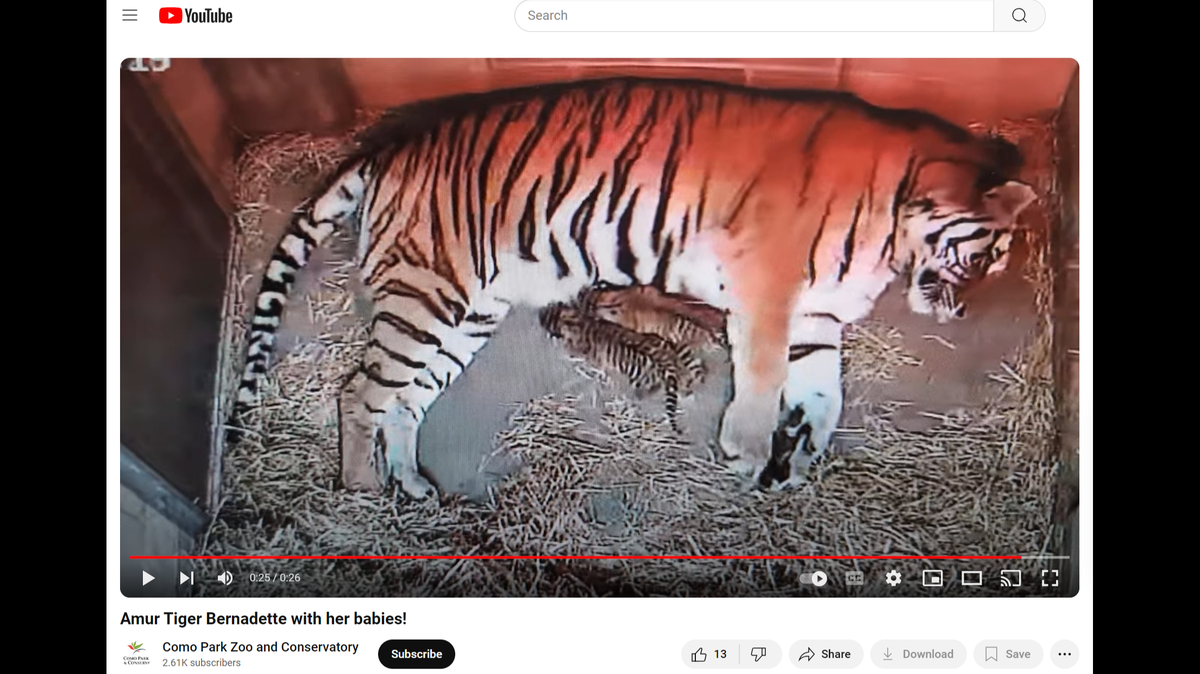
Two critically endangered Amur tiger cubs were born at a Minnesota Zoo – the first tigers born there in 41 years, zoo officials said.
The cubs – a male and female – were born at Como Park Zoo & Conservatory on Aug. 29, according to a Sept. 4 Facebook post announcing their arrival.
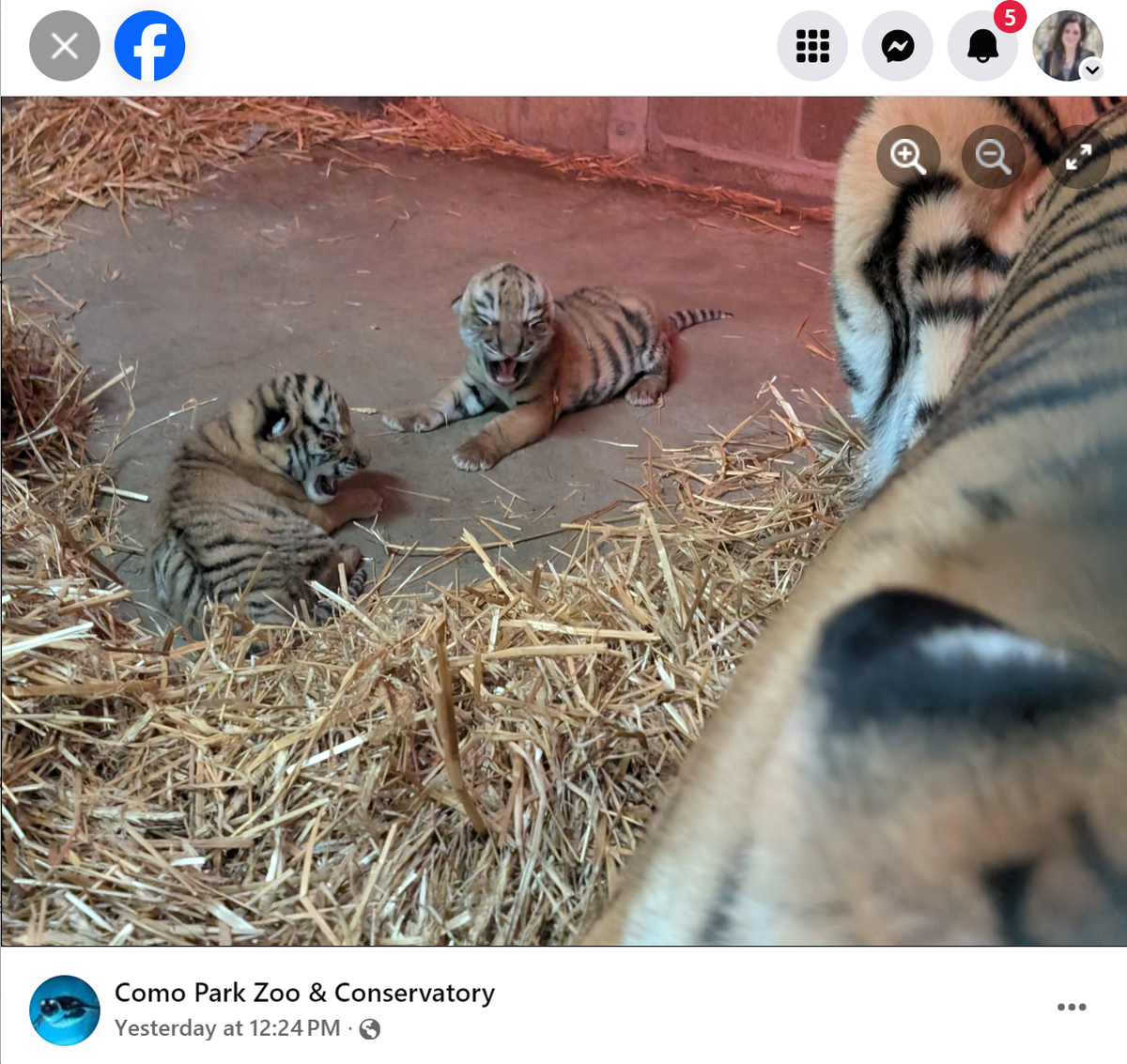
“This is an extraordinary milestone,” zoo Director Michelle Furrer said in a news release.
“The birth of these tiger cubs is not only a testament to the dedication and expertise of our animal care team but also a beacon of hope for the conservation of Amur tigers worldwide,” Furrer said.
The cubs were born to 7-year-old Bernadette and 11-year-old Tsar, both residents at the zoo, officials said. Both are first-time parents.
According to officials, the pairing was “a breeding recommendation from the Association of Zoos and Aquariums Amur Tiger Species Survival Plan, a program dedicated to the management and conservation of Amur tigers in accredited institutions across the country.”
The zoo said the cubs offer “new hope for this critically endangered species.”
As the next few months are “crucial for mother-cub bonding,” Bernadette and her babies will stay in a private maternity den for the next few months and will “remain off-exhibit for some time,” officials said. Tsar will be available for viewing.
Bernadette is already proving to be a “diligent and attentive mother,” officials said.
Amur tigers in the wild
Amur tigers are also known as Siberian tigers, and with males reaching up to 400 pounds, they are the largest tiger subspecies, according to zoo officials.
Fewer than 500 individuals remain in the wild in the small area around the Amur River in the Russian Far East, officials said.
The species faces “critical threats from habitat loss, poaching, and human-wildlife conflict,” officials said.
This story was originally published September 5, 2024 at 5:21 PM with the headline "Critically endangered tiger gives birth, MN zoo says. See ‘beacon of hope’ for species."