‘A unicorn’ of a cat discovered at Oregon shelter. Find out why the kitten is so rare
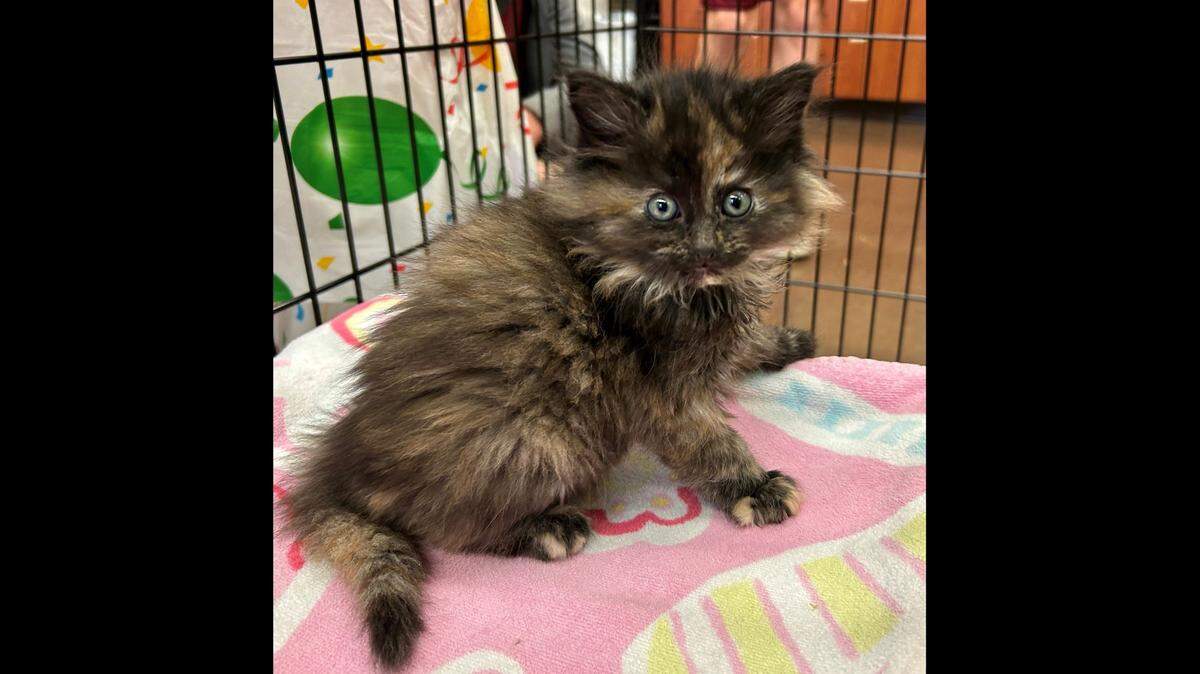
A rare kitten was dropped off at an Oregon humane society, later stunning shelter workers when they realized how special he was.
The kitten was discovered to be an intersex male tortoiseshell cat, the Humane Society of Central Oregon said in a June 6 Facebook post.
“It was like spotting a unicorn!” the humane society’s clinic manager, Bailey Shelton, said in the post.
But when Cinder first got to the animal shelter on April 30, he was believed to be a female cat, so he was initially named Cindi because of his coloring and “external genitalia,” the nonprofit said.
The kitten was fostered for five weeks, then returned to the shelter to be spayed.
That’s when veterinarians realized the kitten didn’t have any ovaries or a uterus to surgically remove. However, they did find two testicles, so he was neutered, the nonprofit said.
“After the surgery, Cindi was renamed Cinder,” the shelter said.
Veterinarians also determined Cinder had “feline disorder of sexual development” because he had both testicles and a vulva, a female reproductive organ, the nonprofit said.
His tortoiseshell coloring indicates he likely has an extra X chromosome in his DNA, making him XXY, the animal shelter said.
Tortoiseshell cats are typically female because coloring comes the X chromosome. For example, a female cat can get black fur coloring from one parent and orange coloring from another parent because they have two X chromosomes.
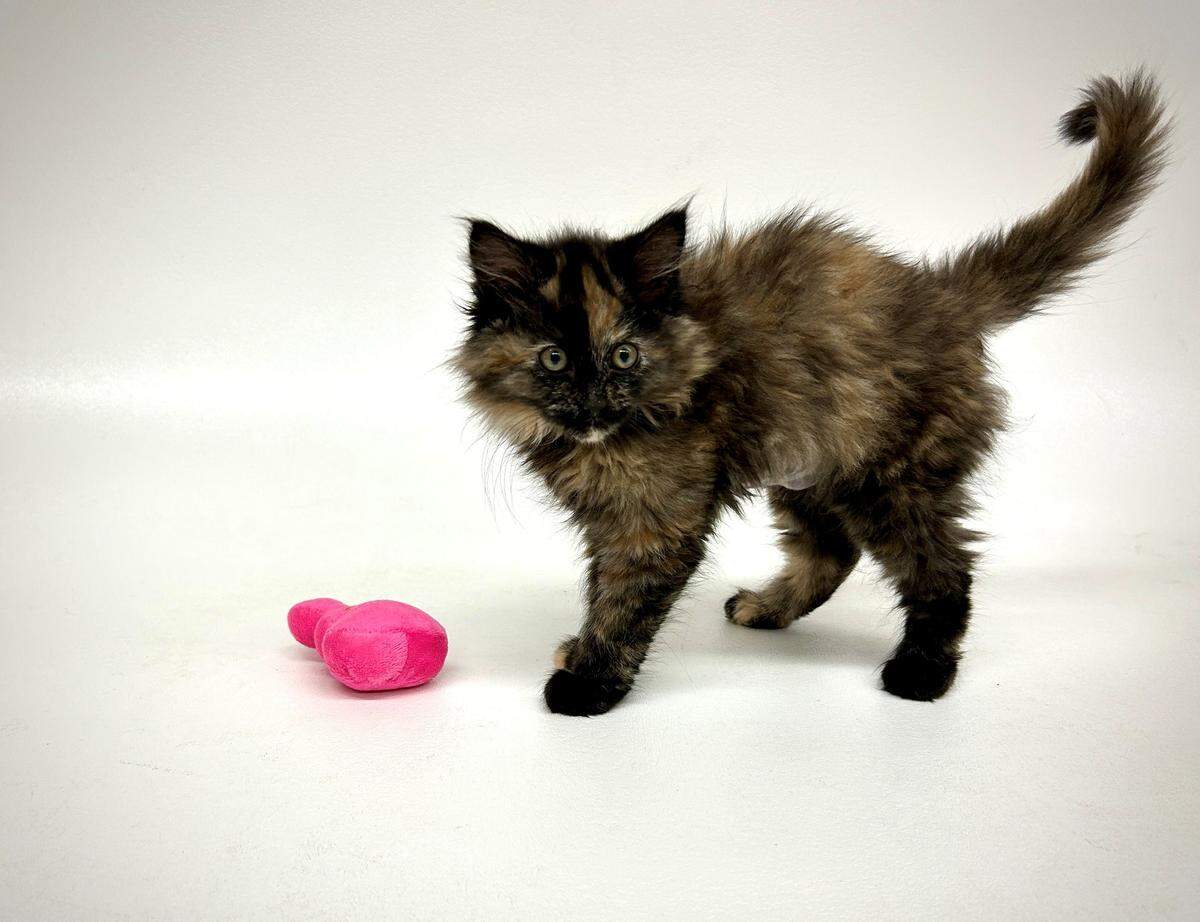
However, male cats have one X chromosome and one Y chromosome. The Y chromosome doesn’t determine coloring, so they have either black or orange coloring, according to the University of Miami Biology Department.
Cinder has tortoiseshell coloring and testicles, so he likely has an extra X chromosome.
“Even though I’ve only been in the veterinary field for nine years, this very well could be a once-in-a-career moment,” Shelton said. “They always talked about how rare male tortoiseshells are back in school, but seeing one in person is something else.”
Annie Pulzone, a veterinary technician, has worked with animals for 20 years and said “it is always fun to see these types of animals in one’s career because they are so rare.”
The shelter said Cinder was adopted.
This story was originally published June 11, 2024 at 10:44 AM with the headline "‘A unicorn’ of a cat discovered at Oregon shelter. Find out why the kitten is so rare."