
Do acne treatments Proactiv, Clearasil cause cancer? Experts ease fears after report
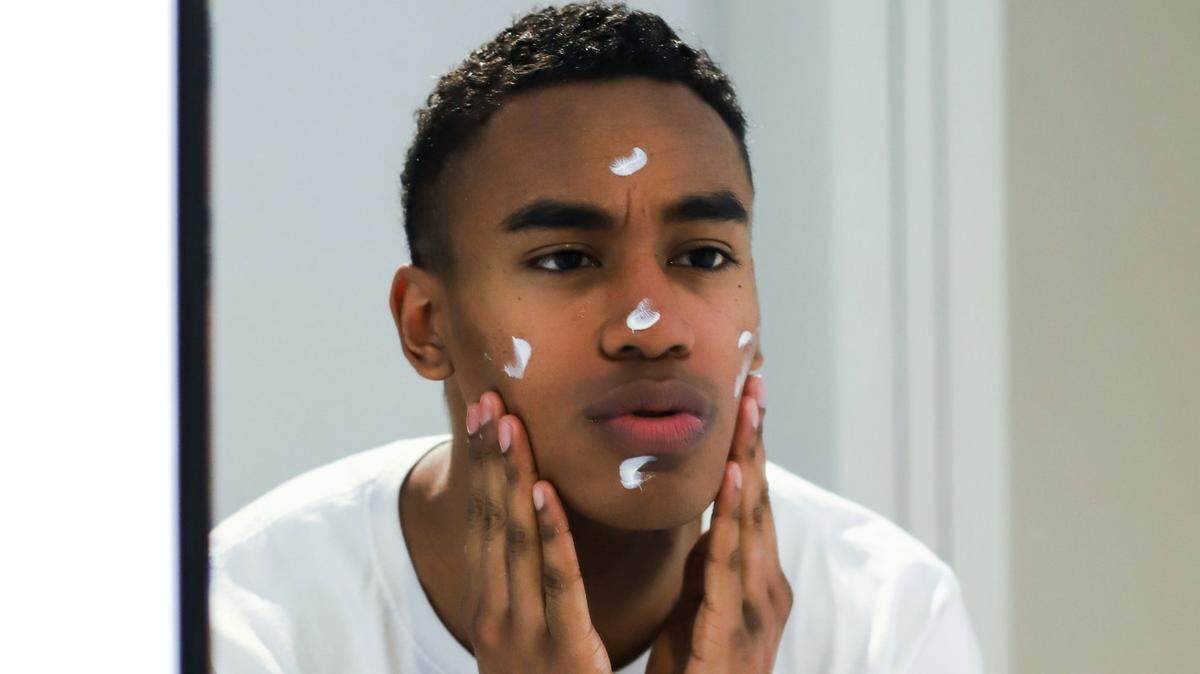
Users of popular acne products like Proactiv, Clearasil and PanOxyl got a scare this week when a report said these products can form high levels of the cancer-causing chemical benzene.
The report, issued March 6 from Valisure, an independent lab in Connecticut, prompted concerning headlines as many of these products are used widely, especially among young people, to clear otherwise unruly skin.
“Welp, guess I’ll die,” one person wrote under a Reddit post about Valisure’s report.
“Literally nothing else works for me,” another person wrote.
The report said 66 products containing benzoyl peroxide (BPO), a popular skin-clearing ingredient, could degrade into the carcinogen benzene. The report presented data that when BPO products were stored at 98.6 degrees, 122 degrees and 158 degrees for four to 18 days, products developed concerning levels of benzene.
Researchers said some products tested “can form over 800 times the conditionally restricted FDA concentration … for benzene” in two weeks at 122 degrees.
Alongside this report, the lab filed a citizen petition asking the Food and Drug Administration to recall the products.
Valisure has sounded a similar alarm before and caused major recalls. In May 2021, a similar report condemning 78 popular sunscreens for the same offense — containing benzene — led to concern.
Valisure President David Light is also named as an inventor on a patent filed in 2023 for a method to prevent benzoyl peroxide from breaking down into benzene in drug products.
While independent testing is important to consumer health, some experts said they are taking a closer look at the details of the lab’s benzene reports, including the one focused on acne products.
Martyn Smith, a professor of toxicology at the University of California at Berkeley, told The Washington Post after the sunscreen scare that even the highest level of benzene contamination was comparable to the amount of benzene you ingest breathing for 24 hours in a city.
“Outdoor air contains low levels of benzene from tobacco smoke, gas stations, motor vehicle exhaust, and industrial emissions,” the Centers for Disease Control and Prevention says. “Indoor air generally contains levels of benzene higher than those in outdoor air. The benzene in indoor air comes from products that contain benzene such as glues, paints, furniture wax, and detergents.”
“Benzene is one of the 20 most widely used chemicals in the United States,” says the American Cancer Society. “People are exposed mainly by breathing in air containing benzene.”
Simply put, exposure to low levels of benzene does not pose a cause for concern, experts say. “It’s the building block for many chemicals in our world,” Smith told The Washington Post.
What’s more, chemist and educator Michelle Wong explained in a video on Instagram on March 7, “Benzene doesn’t absorb through skin that easily.”
Wong worked to quell public concerns after Valisure’s sunscreen report.
“I am once again asking you not to freak out about benzene in your products,” she said in the March 7 video.
Experts expressed concern that the lab tested acne products for benzene using excessive heat.
When benzoyl peroxide is exposed to excessive heat, it breaks down faster and gives you more of a benzene buildup, Wong said. Hence the elevated levels at high temperatures.
“The premise of this report is that benzoyl peroxide has the potential to thermally decompose into benzene,” dermatologist John Barbieri said in a post on X, formerly known as Twitter. However, “most people are not storing benzoyl peroxide in the studied conditions.”
Barbieri’s sentiments are echoed by other experts.
“If you look at the data from Valisure they used temperatures WAY higher than any normal person stores their acne medication,” dermatologist Ade Adamson wrote in a post on X.
“Who even keeps their BPO product in a locked car under the sun for 18 days??” The Skincare Concierge joked on X.
According to Valisure’s report, benzene levels closer to room temperature were much lower.
Clearasil’s parent company Reckitt said in a statement to Reuters that Valisure’s findings “reflect unrealistic scenarios rather than real-world conditions” and that Clearasil products were safe “when used and stored as directed on their labels.”
To ensure acne products are safe, experts say to keep them in a cool, dry place — as directed on the label — and don’t use them beyond their expiration date.
Lydia Rose, a licensed esthetician quelled viewers’ concerns in a TikTok video on March 7.
“You need to know the nuances of this topic,” she said, warning people to look closely at the report.
“Your skincare is not going to kill you.”
This story was originally published March 8, 2024 at 5:59 PM with the headline "Do acne treatments Proactiv, Clearasil cause cancer? Experts ease fears after report."