
Blood test may detect risk of dementia 15 years before diagnosis, study says
Dementia sneaks in like a slow bandit. It begins its raid quietly. Most people aren’t diagnosed until the disease has already advanced to later stages.
This has been one of the major conundrums of dementia diseases, conditions that are defined by loss of memory, language and other thinking abilities.
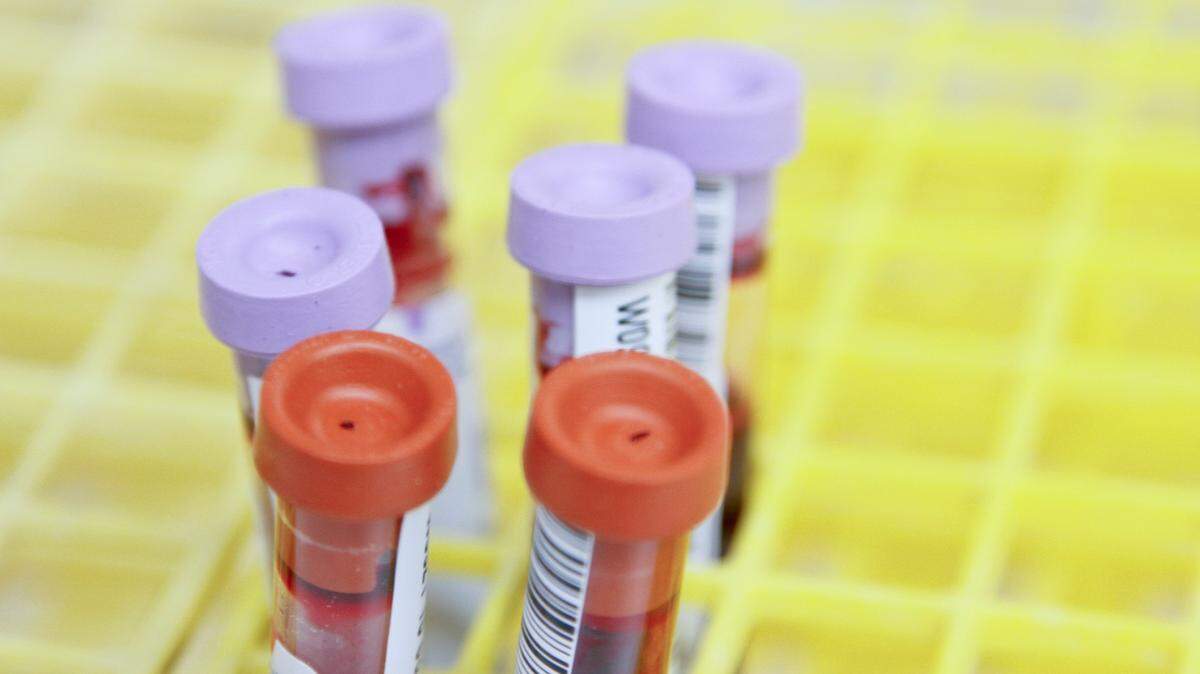
However, a new study may have just taken a major step toward a blood test that can predict the risk of dementia — up to 15 years before diagnosis.
In the study, published in the journal Nature Aging on Feb. 12, researchers were able to pinpoint a biomarker, or a common imprint in the blood, for people at-risk for dementia.
The scientists examined blood samples from 52,645 people in the United Kingdom, 1,417 of whom developed dementia over a 14-year period. With this data, they noticed people who developed the condition had increased levels of four specific blood proteins: GFAP, NEFL, GDF15 and LTBP2.
In the end, this common distinction was used to predict the incidence of dementia with about 90% accuracy, using data from more than 10 years before participants were officially diagnosed.
“This new study adds to the growing body of evidence that measuring levels of certain proteins in the blood of healthy people could accurately predict dementia before symptoms develop,” Sheona Scales, director of research at Alzheimer’s Research UK, said in a post from UK Science Media Centre.
According to the World Health Organization, more than 55 million people worldwide currently live with dementia, which researchers call “one of the most costly, fatal and burdensome diseases of this era.” The average health care costs for people in the U.S. with dementia is $287,038 in their last 5 years of life, according to the National Institutes of Health.
Those costs are significantly higher than the costs for those who died of heart disease, cancer and other causes.
According to Alzheimer’s Disease International, only 20% to 50% of people with the disease receive a formal diagnosis, and that’s just in high-income countries.
Not to mention, current diagnostic tests — lumbar punctures and PET scans — are extremely expensive and invasive. Blood tests are far more accessible for the general population.
Although dementia and Alzheimer’s cannot be cured, it may be possible to prevent or delay its development in some people if risk factors, such as smoking and high blood pressure, are avoided, according to researchers. And search for early detection measures have long been underway.
“Finding better, more accessible ways to diagnose dementia is crucial,” said Scales.
The Feb. 12 study likely paves the way for exactly that, as the authors acknowledge its findings need to be replicated in other populations.
This story was originally published February 14, 2024 at 3:49 PM with the headline "Blood test may detect risk of dementia 15 years before diagnosis, study says."