Dry January: How exactly will laying off the booze help me? Here’s what experts say
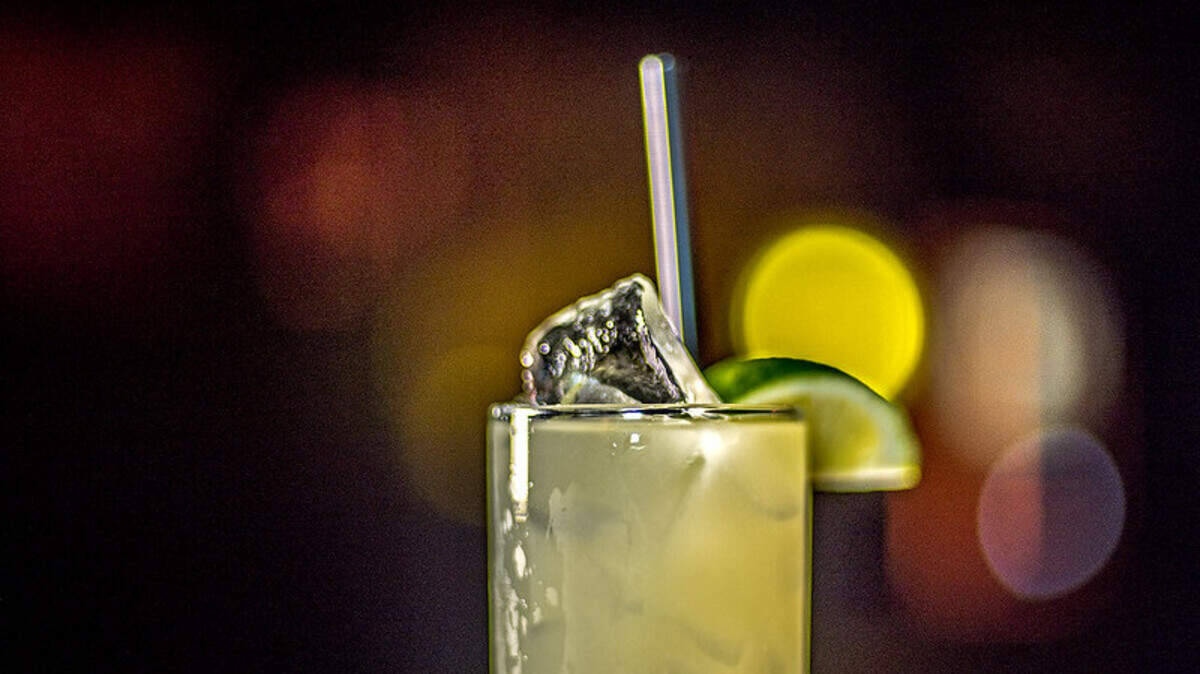
Drowning the holiday blues with a bottle seems, to many, as the only way to cope.
“While it gives this effect of euphoria, people think they feel happy when they drink, it actually is repressing our natural kind of response systems,” Reneé Breazeale, administrator of the Texas Health Recovery and Wellness Center, told the Star-Telegram.
Breazeale explains that alcohol is a central nervous system depressant that increases depressive symptoms and can exacerbate underlying mental health issues including depression, anxiety and feelings of loneliness and worthlessness.
There has to be another — much healthier — way. Right?
What is Dry January?
In 2012, British charity Alcohol Change UK began the Dry January initiative to “ditch the hangover, reduce the waistline and save some serious money by giving up alcohol for 31 days.”
Taking part in Dry January has been shown to improve concentration and sleep patterns, lower cholesterol, glucose levels and blood pressure, and aid with weight loss.
Millions now participate in the challenge, and it’s growing in popularity every year. In recent years, non-alcoholic beverage trends have been rising as part of a wider wellness movement. Between August 2021 and 2022, sales of non-alcoholic drinks in the U.S. stood at $395 million, up 20.6% from a year ago.
COVID-19 intensified loneliness and alcohol consumption
For many, this time of year can bring about feelings of loneliness, which has only worsened with the pandemic. An AARP survey from 2017 found that, while 67% of adults feel happy during the holidays, 31% say they’re lonely.
The pandemic has both intensified feelings of loneliness and increased alcohol consumption, research shows. A 2022 study published by the American Psychological Association found an overall increase in loneliness since the start of the pandemic. Loneliness, the study says, poses a risk for premature mortality and mental and physical health, so it should be closely monitored.
At the start of the COVID-19 pandemic, Nielsen reported a 54% increase in national sales of alcohol compared to the year before, and online sales increased 262% from 2019. One study showed that people who experienced COVID-19-related stress consumed more drinks over a greater number of days. And 60% of study participants reported increased drinking compared to pre-COVID, with 46% attributing it to stress.
Can sobriety really help with depression?
Dry January is seen as an opportunity to look at lifestyle issues that may be affecting your mental wellbeing. Alcohol contributes to anxiety, low mood and depression, experts say.
Taking alcohol out of the picture for a month increases mental and emotional clarity, with some individuals feeling happier without it, Breazeale said. In the absence of drinking, individuals can learn to deal with stresses in healthier ways.
“It is very beneficial because without the alcohol, you’re able to more appropriately assess life situations and more appropriately respond to life situations without being impaired,” she said. “Because alcohol ultimately impairs our ability to emotionally regulate ourselves and to appropriately assess what’s going on around us, so Dry January is an opportunity.”
Those struggling with alcohol addiction may feel even more isolated because of feelings of shame and guilt associated with drinking. But Breazeale cautions that, for individuals who binge drink or drink consistently, stopping alcohol immediately through Dry January can have some medical complications like seizures, elevated blood pressure and hallucinations. If you believe you may have an alcohol issue, seek medical assistance to get on a detoxification program, which will safely wean you off of it and manage withdrawal symptoms.
Refraining from alcohol for a month can lead to long-term changes.
Six months after participating in Dry January, research shows most continue to drink fewer days per week and consume fewer drinks per sitting. Abstaining from drinking for longer, like 60 days or 90 days, can be even more beneficial, Breazeale says.
“If we’ve used alcohol as a coping mechanism, the longer we don’t do that, what we do is we’ve replaced it with other coping skills,” she said. “And with other coping skills comes greater insight and understanding of how we manage ourselves.”
Whether you decide to participate in Dry January or not, turning to alcohol during the holidays can be a dead end, Breazeale warns.
“I do caution those who may struggle with depression around the holidays that drinking more is certainly not a solution,” Breazeale says. “A better solution would be to reach out to friends, express what you’re feeling and seek professional help if that’s something that you’re open to.”
How to maximize participation in Dry January
If you plan on giving up alcohol for a month or longer, use these tips Breazeale offers:
- Keep a journal and note your feelings, reactions and emotions when drinking and not drinking. This can help you determine if you need to seek additional support or professional help.
- Have a plan to fill the time you would normally be using alcohol. Come up with alternatives, like working out, taking a walk or using a meditation app. If you routinely drink socially, think of what you will drink instead, or if you prefer to take part in other activities.
- Let your loved ones know that you are choosing to not drink, so that they can support you. Note specific ways they can do that, so they have direction and can help if needed.
- If abstaining from drinking leads to significant stress, anxiety and/or changes in personality or mood, consider seeking professional help. Assessments at most places are free of charge. You can obtain a free assessment from Texas Health by visiting their website or calling 682-626-8719.
This story was originally published December 30, 2022 at 2:47 PM.