
RSV cases among kids are spiking in US, reports say. How to spot the respiratory illness
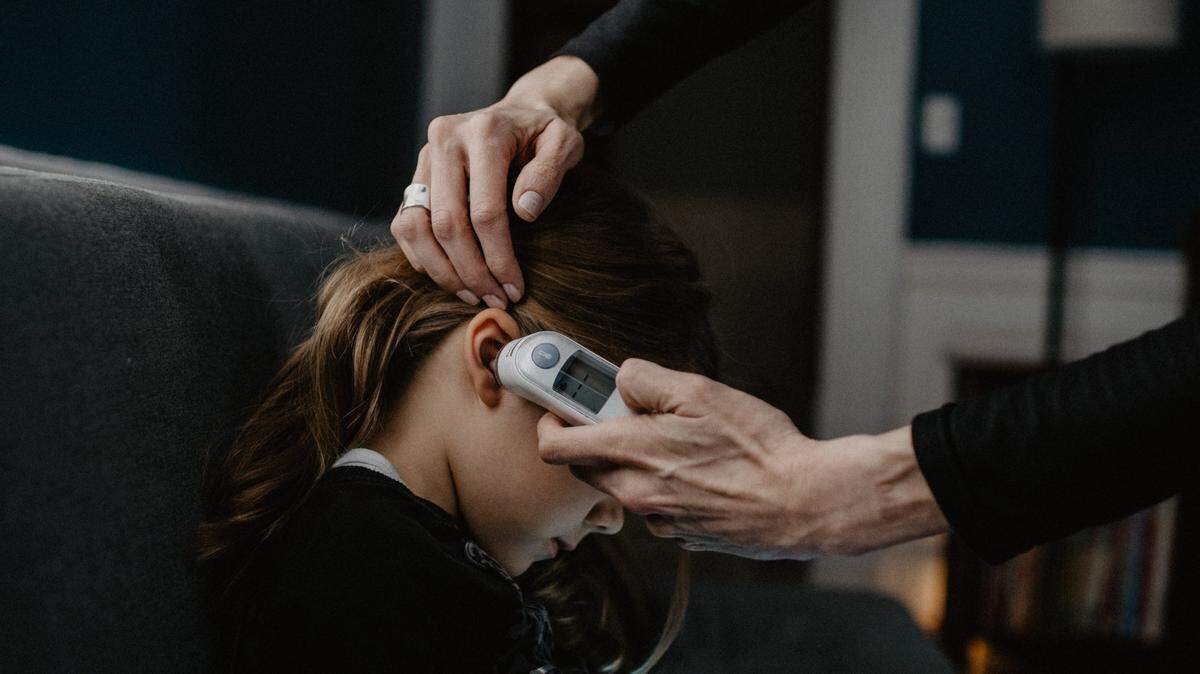
Cases of RSV are climbing and overwhelming U.S. hospitals as the respiratory illness sickens children across the nation, news outlets report.
More than 5,440 RSV cases were detected in the U.S. for the week ending Oct. 22 — a three-fold increase from just two months before — according to the Centers for Disease Control and Prevention data.
The latest spike comes more than a year after the CDC issued an advisory about the cold-like sickness, most common in infants and young children. Faced with a possible “triple-demic” amid rising COVID-19, flu and RSV cases, doctors are urging parents to be on the lookout for signs of respiratory infection.
“What happened is we had a two-and-a-half year window where nobody got anything,” Dr. David Agus told CBS News. “And so everybody is getting it at once. What we’re seeing is emergency rooms, intensive care units for kids really filling up. And it’s certainly worrisome.”
What is RSV?
RSV, or respiratory syncytial virus, is an upper respiratory illness known to affect the lungs and airways, according to the CDC. It’s typically spread through airborne water droplets but can also be passed through direct contact with a contaminated surface.
Most children will have had an RSV infection by the time they’re 2, the agency said. Older adults are also at risk of becoming seriously ill from the virus.
Symptoms appear four to six days after infection and show up in phases, rather than all at once. They are:
- Runny nose
- Coughing
- Sneezing
- Little or no appetite
- Fever
- Wheezing
In younger patients, especially infants, RSV can cause lethargy and irritability before more common symptoms appear, according to the CDC. Difficulty breathing can also be a sign that your baby has a respiratory infection.
“So they’re breathing really fast. Their tummy, their chest is moving a lot, and their nose is flaring,” pediatrician Dr. Nicole Mackram told KCRA. ”And then the big warning sign for parents is if the baby can’t eat.”
There is currently no treatment or vaccine for the virus. However, experts said most people feel better in “a week or two.”
Hospitals see surge in respiratory illness
At Children’s National Hospital in Washington, D.C., space reached near capacity as cases of respiratory illness surged, Axios DC reported this week. Axios Denver reported a similar influx of sick kids at Children’s Hospital Colorado.
Parent Wesley Zaffuto told KDKA she had never “seen a waiting room so packed” when she rushed her daughter to the emergency room at UPMC Children’s Hospital in Pittsburgh — and faced a six-hour wait.
“There were a lot of babies,” Zafutto told the news station. “My husband was down there with us. It was the saddest thing I’ve seen, a lot of sick babies there.”
This story was originally published October 27, 2022 at 1:37 PM with the headline "RSV cases among kids are spiking in US, reports say. How to spot the respiratory illness."