You can save more for retirement after the IRS boosted savings limits. What to know
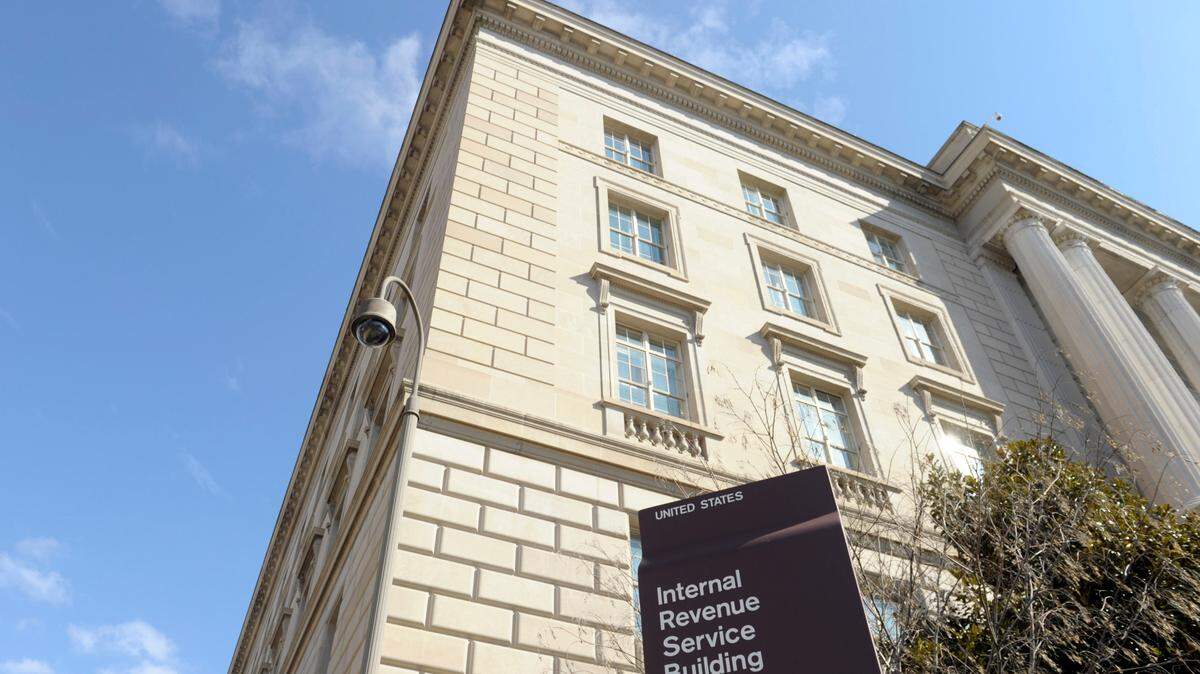
As inflation persists, you will be able to save more in 2023.
The Internal Revenue Service raised savings limits for 401(k), Individual Retirement Accounts and other savings plans starting next year, according to an Oct. 21 news release. Income ranges to determine eligibility for various accounts and benefits also increased.
The changes come as inflation continues to rise. In September, prices rose 8.2% over 12 months. Earlier in October, the IRS raised standard deductions and all seven income brackets.
Here’s what to know about the latest changes.
Higher 401(k) contributions
Employees who contribute to a 401(k) savings account will be able to contribute more in 2023.
Next year, the annual contribution limit will rise to $22,500, up $2,000 from the 2022 limit, the IRS said.
The increase also applies to limits on 403(b) plans, most 457 plans and the Thrift Savings Plan.
The catch-up contribution limit — the amount plan participants 50 and older can save on top of the federal limit — will also see a big jump.
For these participants in 401(k), 403(b), most 457 plans and the Thrift Savings Plan, the limit will rise to $7,500, up from $6,500, according to the IRS.
Increased IRA contributions
IRA participants will also see their contribution limits rise in 2023.
The limit on annual contributions will be $6,500 next year, a $500 jump from 2022, the IRS said.
Unlike other plans, the catch-up contribution for IRA savings does not undergo an annual cost-of-living adjustment, so it will remain at $1,000 in 2023.
Revised phase-out qualifications
The IRS also revised the qualifying ranges to make deductible contributions to an IRA.
For taxpayers covered by a retirement plan at work or whose spouse is covered by a retirement plan at work, the deduction can be reduced or phased out until it is eliminated. The revised income ranges to qualify for deductions:
- For single taxpayers: between $73,000 and $83,000, up from between $68,000 and $78,000.
- For married couples filing jointly if the spouse making the IRA contribution is covered by a workplace retirement plan: between $116,000 and $136,000, up from between $109,000 and $129,000.
- For married couples filing jointly if the spouse making the IRA contribution is not covered by a workplace retirement plan and is married to someone who is covered: between $218,000 and $228,000, up from between $204,000 and $214,000.
Married individuals who file a separate return and have a workplace plan are not subject to an annual cost-of-living adjustment, so their phase-out range remains between $0 and $10,000, according to the IRS.
Revised Roth IRA eligibility
Some employees are eligible for Roth IRAs, which are taxed as contributions are made. Eligibility is determined by income.
In 2023, the IRS will increase income range requirements. The revised qualifying ranges:
- For singles and heads of households: between $138,000 and $153,000, up from between $129,000 and $144,000.
- For married couples filing jointly: between $218,000 and $228,000, up from between $204,000 and $214,000.
Married individuals who file separately and contribute to a Roth IRA do not get annual cost-of-living adjustments, so their range will remain between $0 and $10,000, the IRS said.
Other retirement savings adjustments
The IRS announced a number of other retirement savings adjustments for 2023.
SIMPLE retirement accounts will have a revised contribution limit of $15,500, up $1,500 from 2022. Catch-up contributions will be capped at $3,500, a $500 increase, the IRS said.
The income limit to qualify for the Saver’s Credit, also known as the Retirement Savings Contributions Credit, also increased. The new eligible incomes:
- For married couples filing jointly: $73,000, up from $68,000.
- For heads of households: $54,750, up from $51,000.
- For individuals and married couples filing separately: $36,500, up from $34,000.
For more information about all of the IRS’ cost-of-living adjustments for 2023, visit this informational site.
This story was originally published October 24, 2022 at 11:05 AM with the headline "You can save more for retirement after the IRS boosted savings limits. What to know."