
He ‘harvested identities’ of rideshare app customers and created fake drivers, feds say
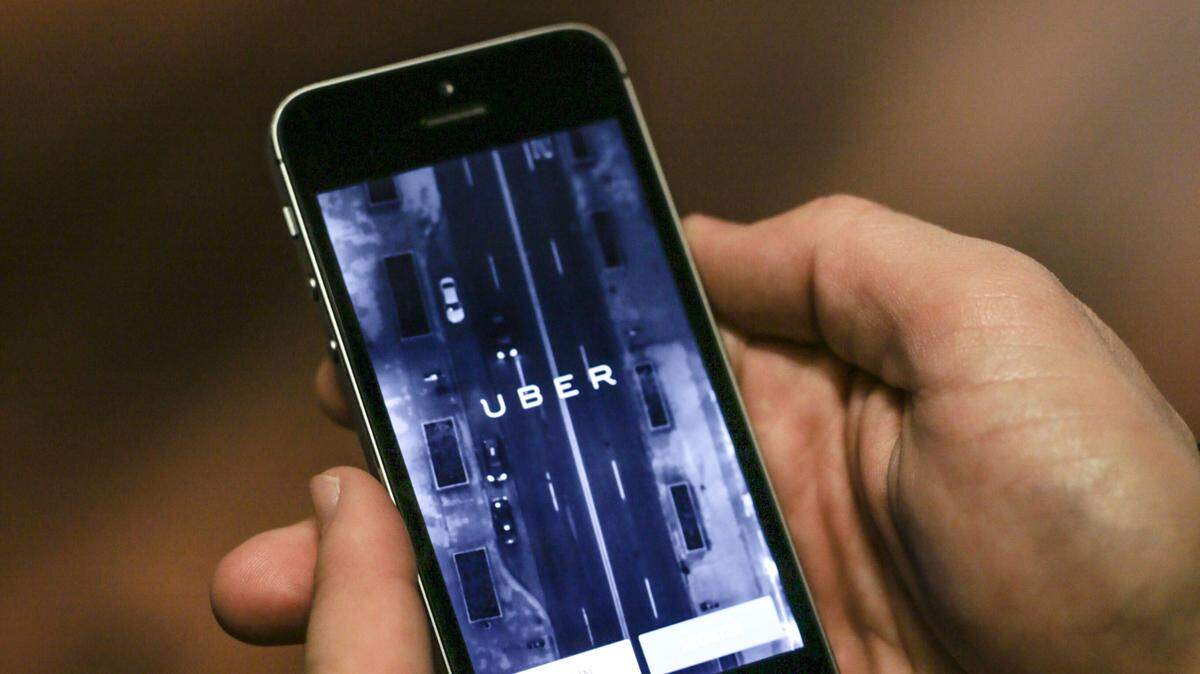
A man who led a nationwide scheme stealing the identities of rideshare and food delivery app customers to create fake driver accounts in their names is going to prison, federal prosecutors say.
Gustavo De Avila Moreira Farinha, 30, and others “harvested identities” of nearly 100 people who used Uber, Lyft and the food delivery services of Amazon, DoorDash, Grubhub, Postmates and Caviar, according to the U.S. Attorney’s Office for the Southern District of California.
While dozens of victims have been identified in connection with the scheme, Homeland Security Investigations believes there were many more, court documents state
A judge sentenced De Avila to nearly three years in prison on Aug. 29 after he led four others in his wire fraud and identity theft conspiracy between 2018 and 2021, a news release from the attorney’s office says. He was the last defendant to be sentenced.
Using the stolen customer identities, De Avila, his girlfriend and others created driver accounts on the various rideshare and food delivery platforms “to use, sell, and/or rent these accounts” out to unqualified drivers, according to court documents.
This caused Uber, Lyft and the other companies to generate IRS tax forms “in the names of identity theft victims for income they never earned,” a complaint states.
De Avila — who drove thousands of times using stolen identities himself — and the others could not legally work in the U.S. because they are Brazilian nationals who lived in the country illegally, the release says. During the scheme, De Avila lived in San Diego, court documents show.
His attorney Dyke Huish told McClatchy News in a statement that his client “delivered food to hundreds of people in the hardest days of the pandemic and did the work.”
“He will be happy to finish his sentence and return home to his family in Brazil,” Huish added.
Meanwhile, prosecutors say De Avila “created a market for stolen identities” and is the “most culpable” among the defendants, according to a sentencing document.
All five defendants are accused of using the money from the scheme “to enrich their own lives with luxury apartment rentals, vacations, vehicles, and other expenditures,” the document states.
‘Fraud’ began with Uber and Lyft
Beginning in 2018, “the fraud” scheme began with rideshare companies Uber and Lyft, according to a complaint.
In one example, a fake driver account was created with Uber using one California resident’s identity — but it was linked to De Avila and his girlfriend’s joint bank account, the complaint states
With this account, the victim’s real driver’s license was used, but it was edited to include a photo of De Avila, according to court documents. This account did more than 1,000 Uber rides between 2018 and 2019.
Several other victims’ driver’s licenses were photoshopped and used similarly, according to prosecutors.
When the COVID-19 pandemic began in Spring 2020, De Avila’s scheme branched out to include food delivery service companies following a drop in business for rideshare companies, the complaint states.
As demand increased for food delivery services while people quarantined, “De Avila and his co-conspirators exploited the surge,” the release says.
In many instances, De Avila and the other defendants were able to take photos of victims’ driver’s licenses, particularly when they ordered alcohol, the complaint states.
“Once they received payment from the rideshare and delivery companies, they laundered the money both to promote the conspiracy and to conceal the fact that the source of the funds was an elaborate fraudulent scheme,” the release says.
De Avila and his attorney Huish had sought a lesser prison sentence of two years and one month, according to a sentencing document. Huish argued his client had no prior criminal record and “did all of the work that was required of him as a food delivery service and a ride share operator.”
“He was willing to deliver food to countless individuals who were shut in when others were unwilling to do so,” Huish added.
But prosecutors argued in their sentencing memo that he “participated in the fraud scheme longer than any of his co-defendants and introduced others into the fold.”
De Avila is serving the longest sentence out of his co-conspirators, who were each previously sentenced to at least two years in prison, according to the release.
“Technology-enabled crimes and identity theft cost U.S. consumers billions of dollars every year,” Chad A. Plantz, the special agent in charge for HSI in San Diego, said in a statement.
This story was originally published August 30, 2022 at 11:50 AM with the headline "He ‘harvested identities’ of rideshare app customers and created fake drivers, feds say."
.jpg)