Are there signs of recession in the jobs report? Strong June leaves experts hopeful
The economy got some good news on Friday: The job market is holding strong and steady.
New data from the U.S. Bureau of Labor Statistics (BLS) released July 8 shows the U.S. added 372,000 jobs in June. Notably, the leisure and hospitality sector, which includes jobs in the arts, entertainment, accommodations and food industries, showed significant job gains, indicating pandemic recovery as more people are resuming activities like travel and attending sporting events.
The report also showed the unemployment rate held at 3.6% — just above the pre-pandemic rate in February 2020 — with nominal wage growth slightly slowing, another good sign for pandemic recovery, especially alongside easing inflation fears among investors.
Although nominal wage growth slowed slightly to 5.1%, some economists expected a greater decrease. A Bloomberg survey showed that some economists were prepared to see a bigger drop to 5%, The New York Times reported.
While total employment is still edging its way back to pre-pandemic levels, June marked the first month the private sector recovered net job losses caused by the pandemic. The growth in the job market is “the fastest and strongest jobs recovery in American history,” President Joe Biden said in a statement Friday.
An inevitable decline?
The good news about jobs comes amid ongoing talks of an impending recession in America.
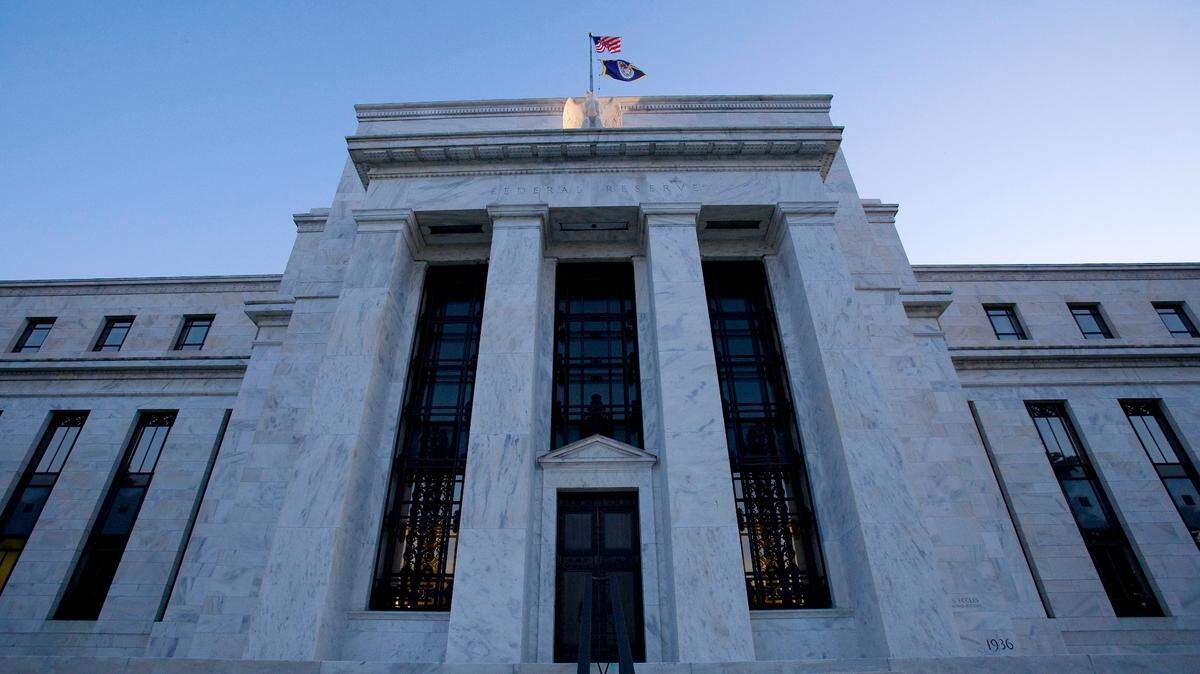
In June, the Federal Reserve raised rates in an attempt to slow inflation and manage rising prices. After the rate hike, some experts speculated that a recession was potentially inevitable.
For example, after the rate hike, the president of the Federal Reserve Bank of Cleveland, Loretta Mester, told CBS’ “Face the Nation” that the risk of a recession is “going up.” More recently, former International Monetary Fund Chief Economist Ken Rogoff told CNN’s Christine Romans that avoiding a recession will be “almost impossible” as the Federal Reserve System tries to “tamp down inflation.”
“[The Fed] would have to be very lucky,” Rogoff said. “They have to decide: Do they have to have inflation get down quickly, or are they going to throw us into a recession?”
What is a recession?
The National Bureau of Economic Research’s (NBER) Business Cycle Dating Committee is responsible for determining whether the U.S. economy is in a recession.
To determine this, the committee defines a recession as “a significant decline in economic activity that is spread across the economy and that lasts more than a few months.” Because the committee analyzes a range of variable indicators, it can take a few months before a recession is officially declared, but there are ways to carry out more real-time analysis.
The committee relies on employment numbers, in coordination with other measures, as an indicator in determining the start and end of recessions. Declining sales in the retail industry and rising unemployment are some tell-tale signs of an economic downturn, Forbes reported.
So, are we in the clear?
Unfortunately, the answer isn’t an easy yes or no.
The job report left many economists and observers hopeful that the economy is strong enough to resist a recession.
“No signs of recession in the strong June jobs report,” Jennifer Westhoven, an anchor for CNN’s HLN, tweeted Friday morning.
And according to one of the NBER’s real-time tracking tools, that might be right. The committee uses a tool called the Sahm Rule to use unemployment as a recession indicator. Using the rule, the economy can be considered in recession when the three-month average unemployment rate is higher than its lowest value over the last 12 months by at least half a percentage point. Currently, the unemployment rate is at its lowest point in the past year, which is one indication we may not be plummeting towards an unavoidable recession.
“I’m not saying the economy doesn’t have serious challenges, I just have a hard time calling a recession with a 3.6% unemployment rate,” CNBC’s senior economics reporter Steve Liesman said following the report’s release.
James Knightley, chief economist at the bank ING, told the Associated Press that “for all the doom and gloom that’s in the markets right now, companies themselves still seem pretty upbeat on their own progress.”
“It sort of dampens the near-term fear that we’re heading into an impending recession,” he added.
However, some experts are still hesitant.
Using job growth to determine a current or upcoming recession is not a flawless system, according to Jason Furman, senior fellow at the Peterson Institute for International Economics, and Wilson Powell III, a Harvard research associate.
“[BLS] will tend to overestimate jobs when the economy is turning down and underestimate jobs when it is turning up. That means that subsequent revisions, which incorporate administrative data like tax reports, will tend to be negative,” Furman and Powell wrote in a press release.
The data released by BLS on Friday will be revised once more data is analyzed, so the story of America’s job market might change in the coming weeks and months. This could mean that although the market is currently indicative of an economy strong enough to deter a recession, revisions to the report could tell a different story, inviting concerns about a recession again.
However, “even if the recent jobs numbers are eventually revised down, they are still very likely to be much higher than is typical before a recession,” Furman and Powell wrote.
As with all economic data, especially in a pandemic world, things are always subject to change. While things are looking up with the promising June jobs report and economists are more hopeful for the future, the market will need to remain steady for the economy to withstand the coming months.
“Today’s job number should soothe fears of an imminent recession,” said Seema Shah, chief global strategist at Principal Global Investors, according to Axios. “But it does nothing to relieve fears of considerable further Fed tightening.”
This story was originally published July 8, 2022 at 1:06 PM with the headline "Are there signs of recession in the jobs report? Strong June leaves experts hopeful."