Half the glaciers on these WA mountains have melted — the rest are next, study finds
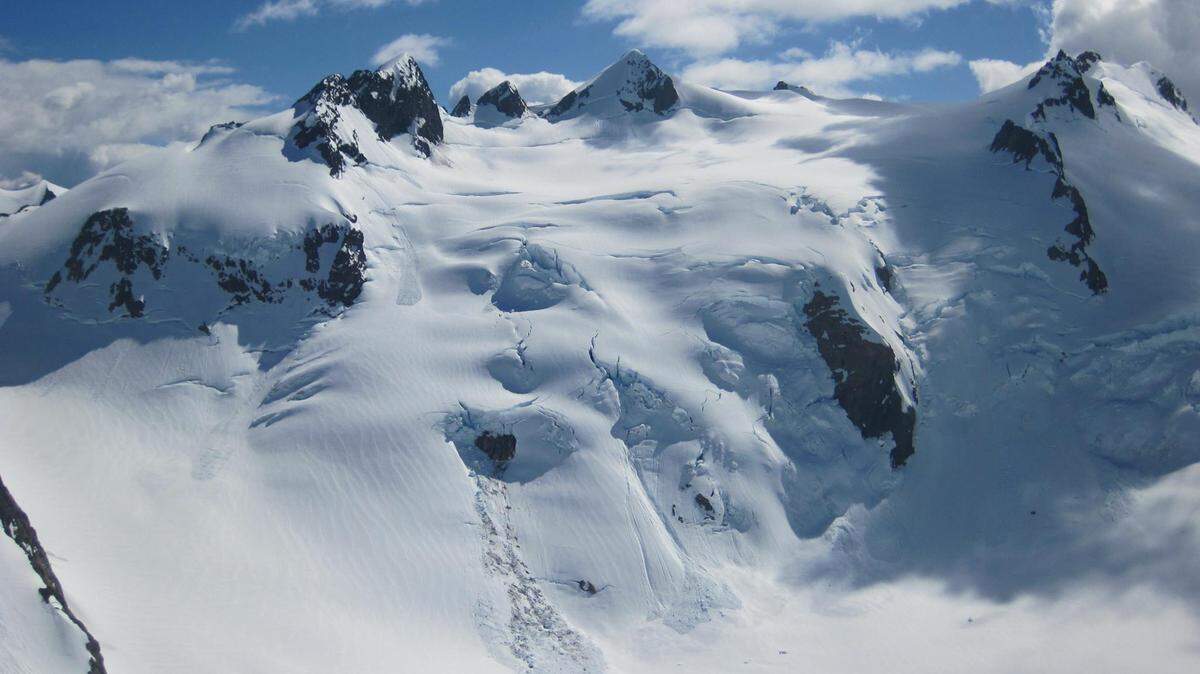
Half of the glacier on the Olympic Mountains in Washington have melted since 1900, a study says.
The rest of the glaciers will mostly disappear in the next 50 years, by 2070, according to predictions in a new study called “Glaciers of the Olympic Mountains, Washington — The Past and Future 100 Years.” It was published April 19 in the Journal of Geophysical Research: Earth Surface.
The Olympic Mountains are in western Washington, close to the Pacific Ocean. Thirty-five glaciers and 16 perennial snowfields have melted since 1980, the study says.
As of 2015, the mountains have 255 glaciers and perennial snowfields, according to the study.
But it says the glaciers that are left are shrinking.
“There’s little we can do to prevent the disappearance of these glaciers,” lead researcher of the study Andrew G. Fountain told ScienceDaily. “We’re on this global warming train right now. Even if we’re super good citizens and stop adding carbon dioxide in the atmosphere immediately, it will still be 100 years or so before the climate responds.”
Fountain is a professor of geography and geology at Portland State University.
The cause of the melting glaciers? Warming winter and summer temperatures, according to the study.
When temperatures are warmer during the winter, precipitation that’s supposed to turn to snow falls as rain instead, the study says.
The rain doesn’t “nourish the glaciers” of snow, the study shows.
“With warmer summers causing more ice melt and warmer winters causing less snowfall, the glaciers are being hammered in both seasons,” the study says.
And the close proximity to the ocean is also speeding up the melting of glaciers on the Olympic Mountains, according to Fountain.
“Those glaciers on the Olympics are the most vulnerable because they are low in elevation and closest to the ocean. So if anyone is going to go quickly, it’s those guys,” Fountain told KGW.
The melting glaciers will impact alpine streams and bull trout populations first, followed by other effects, ScienceDaily reported.
“Without the glaciers, you’re not going to have that melt contributing to the stream flow, and therefore impacting the ecology in alpine areas,” Fountain told the news outlet. “That’s a big deal with disastrous fallout.”
Researchers said they completed the study by assessing “several previously published glacier inventories” and creating “two new inventories.” They then used a model to “predict the future extent of the glaciers in the Olympic Mountains.”
This story was originally published April 20, 2022 at 6:57 PM with the headline "Half the glaciers on these WA mountains have melted — the rest are next, study finds."