Christmas is the deadliest time of the year for dogs. Here’s why.
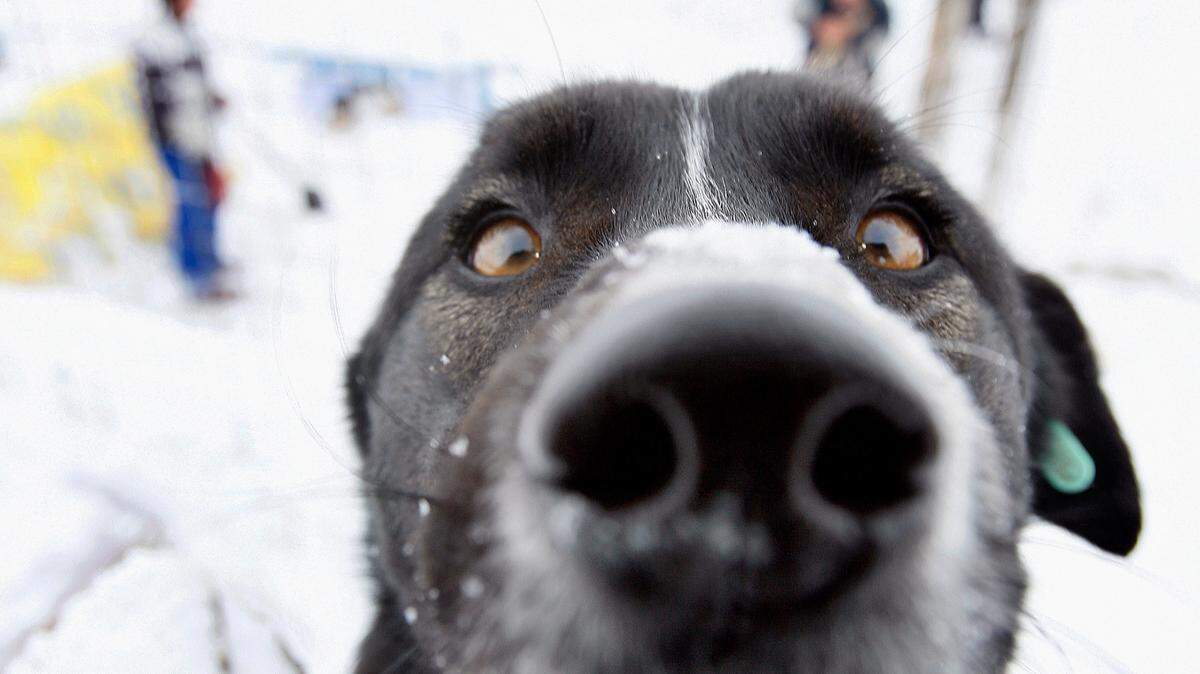
Your dining table may be donned with tasty food and sweets for the holidays, but chances are there’s a dessert on the menu that could send your pet to the emergency vet that very night — an experience all too common for pet owners in America.
According to BluePearl, which has more than 100 animal hospitals across 29 states in the U.S., veterinarians see a 372% increase in emergency pet visits every Christmas Eve compared to other days from one culprit. It’s dark, it’s delicious and deadly.
Chocolate.
“It is easy for unattended pets to get into some potentially dangerous holiday treats as people get busy spending time with family and friends,” Lindsey E. Bullen, a board certified veterinary nutritionist, BluePearl said in a release. “While we want our pets to enjoy the holidays with us, we must be cautious when giving our furry companions certain foods.”
It can be a tall order to monitor pets and where they’re sticking their noses during the holiday season, but chocolate can make animals ill, even fatally so if they ingest too much of it.
In small amounts, chocolate can cause vomiting, diarrhea and hyper excitability in dogs, but higher quantities can cause seizures, irregular heart rhythms and death, veterinarian Jennifer Coates explained in an article for PetMD.
When a dog ingests chocolate, it’s important to act fast and get them professional help.
“If treatment can be initiated within a couple of hours of a dog eating chocolate, inducing vomiting can remove significant amounts of the toxins before they are absorbed,” Coates wrote. “Activated charcoal given by mouth can also attach to the methylxanthines, trapping them in the intestinal tract and preventing their absorption. Intravenous fluids may be given to support the body and prevent or treat dehydration.”
Cats tend to be less food-motivated than dogs, but sweet holiday treats are just as dangerous to felines, too. According to Wedgewood Animal Pharmacy, the caffeine and theobromine in chocolate is particularly toxic to cats. Bakers chocolate poses the largest risk to animals, according to the pharmacy, due to the higher concentration of ingredients.
If you notice your cat consuming any type of chocolate and later identify symptoms such as vomiting, weakness, rapid breathing, seizures or a coma, take them for treatment immediately.
There are clinical chocolate toxicity calculators online from the Merck Veterinary Manual to help owners determine how harmful the amount of chocolate is that was ingested, based on the weight of the animal. But when in doubt, call your vet.
It’s not just chocolate
There are other snacks on the table that may be less threatening on the surface, but they can pose as much damage to your pet as chocolate, according to BluePearl.
Other foods that are harmful to pets include the following:
- Garlic
- Bones, fatty meats or meat scraps.
- Onions
- Grapes
- Chocolate
- Coffee
- Nuts
- Yeast dough
- Food cooked with nutmeg
- Xylitol – or foods or candies with xylitol as an ingredient
There are some small morsels you can get away with feeding your pets if you want to let them in on some seasonal savory fun, including turkey, boneless salmon, scrambled eggs, green beans, carrots, peas, potatoes and plain low-fat yogurt.
According to Bullen, pet owners should always check with their veterinarian or veterinary nutritionist before feeding their pet any human foods.
“Every pet is different so what may be okay for one may not be okay for another,” Bullen said. “As a general rule, and to reduce any risk of illness, avoid giving pets “Santa’s” cookies or candy canes, which can contain xylitol, a sugar substitute that is highly toxic to dogs.”
In addition, any animals that have chronic illnesses or those that take medications should avoid any deviation in their diet, Bullen added.
If owners do discover their pet ingested a harmful substance, they can call the ASPCA Pet Poison Helpline, which may include a consultation fee, or owners are encouraged to call their local emergency vet for guidance.
This story was originally published December 23, 2021 at 10:46 AM with the headline "Christmas is the deadliest time of the year for dogs. Here’s why.."