Man’s best therapist? Dog owners are less depressed during COVID pandemic, study finds
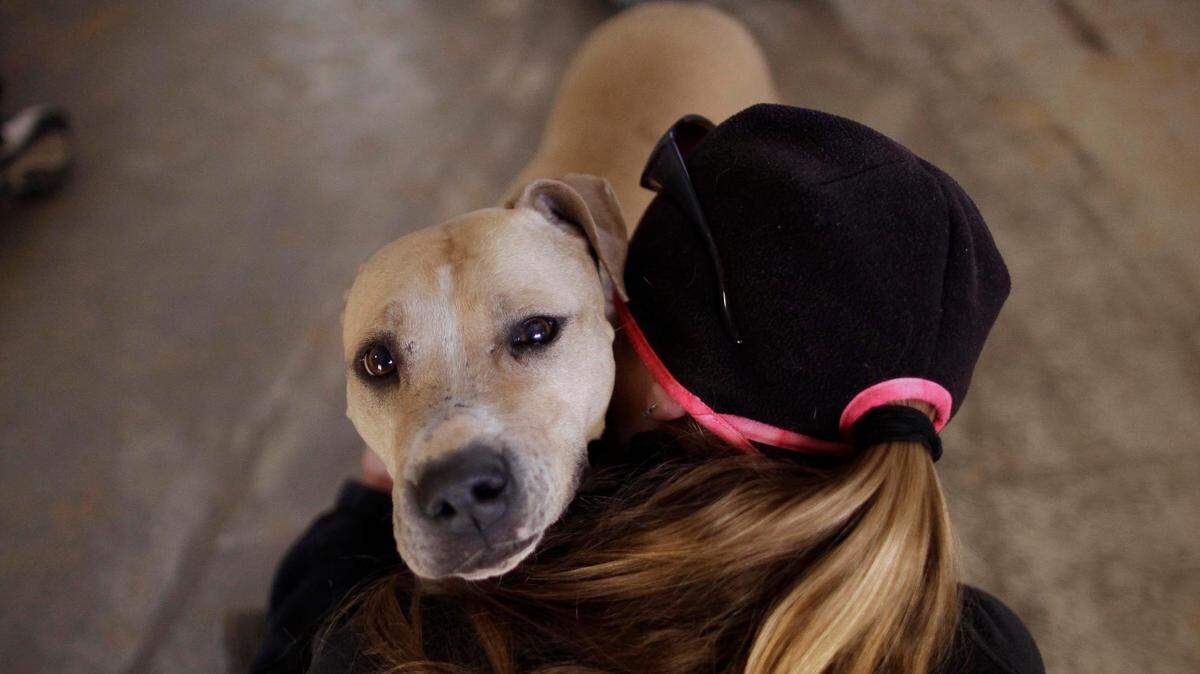
The COVID-19 pandemic has been tough for people everywhere, but for those who came home to a dog, it might have been a little more bearable, a recent study found.
The study, published on Dec. 15 in the journal PLOS One, found that dog owners reported having significantly more social support available to them compared with potential dog owners, and their depression scores were also lower compared with potential dog owners.
“Taken together, our results suggest that dog ownership may have provided people with a stronger sense of social support, which in turn may have helped buffer some of the negative psychological impacts caused by the COVID-19 pandemic,” the report concluded.
The study involved an online survey for dog owners and potential dog owners that measured scales of depression, anxiety, happiness, attitude and commitment toward pets, and perceived social support. Researchers also asked participants how COVID-19 affected their lives. Potential dog owners were people who did not own a dog but were interested in owning one in the future.
The study only included people who were 18 years or older, spoke English, had access to a computer and were living in the United States. Those who owned pets that were not dogs were excluded. Service or emotional support dog owners were not included due to the specific nature of the relationship between the dog and owner, the study said. Both groups, the dog owners and potential dog owners, were matched in demographic characteristics.
The results showed that 67% said their emotions had been somewhat to extremely impacted by COVID-19, and 72% reported that their lifestyle had been somewhat to extremely impacted.
There are a number of reasons that pets, and dogs in particular, may offer some emotional solace to their owners during traumatic or stressful points in their lives. Pets are considered always available, the study said; they are non-judgmental and provide tactile comfort as well as recreational distraction from worries.
On average, dog owners had a lower depression score, with the mean score at 12.41, compared with potential dog owners, which scored a mean of 14.06, a “statistically significant” difference, according to the study.
But owners may overexaggerate how much their dogs have helped them through the pandemic, the study documented. That isn’t to say owners are lying about how much they felt their pet helped them through tough times, but that the dogs may not be the only factor in their support system.
Previous research showed that pet owners credited their emotional well-being and ability to cope with the pandemic heavily to having a pet.
“Based on (past surveys), it appears that pets were highly valued and that they positively contributed to the quality of life of their owners in meaningful ways during the pandemic. Why was the dog effect not more evident in the data we collected?” the study asked.
The study theorized that the combined support of people as well as a pet may lead people to perceive a higher level of support from their animal, or that dogs offer a significantly higher amount of support to people in stressful situations.
While the study was able to identify a difference in depression levels and perceived support levels between dog owners and non-dog owners, it was not able to find any correlation between anxiety or happiness levels and owning an animal.
In fact, while some previous research shows that dog owners have decreased levels of anxiety, others show just the opposite, that they may be more likely to report anxiety.
“The mixed results indicated by research to date reveals a gap in knowledge regarding when and how pet dog ownership contributes to greater wellbeing among pet owners,” the study acknowledged.
The group suggested that further research should focus on people with low and moderate social support, and include dog owners with different levels of attachment to their dogs, since that factor was not discussed in the study.
“Our work adds to the corpus of scientific literature demonstrating that pet dogs may positively contribute to the wellbeing of owners during difficult times,” the study concluded. “However, more work is needed to better understand the relationship between pet ownership and social support as modulators of owner wellbeing.”
There’s no doubt, however, that there was a pet adoption boom during 2020 when COVID-19 began to alter people’s lives. According to a report published in May 2021 from the American Society for the Prevention of Cruelty to Animals, 1 in 5 households acquired a dog or cat since the beginning of the pandemic, and many of those homes still owned the animal they brought in: 90% of dogs and 85% of cats acquired.
The ASPCA report stated that 87% of respondents in a survey shared that they would not be considering re-homing their pets, indicating a long-term commitment to their new animals.
“This incredibly stressful period motivated many people to foster and adopt animals, as well as further cherish the pets already in their lives,” Matt Bershadker, ASPCA president and CEO, said in the release. “Pets are still providing their families with joy and comfort, regardless of changes in circumstances, and loving owners continue to recognize and appreciate the essential role pets play in their lives.”
The ASPCA even offers tips for people who will return to the office and are worried about their animals developing separation anxiety.
This story was originally published December 16, 2021 at 12:49 PM with the headline "Man’s best therapist? Dog owners are less depressed during COVID pandemic, study finds."