
Blood-sucking ‘vampire fish’ now spawning in Vermont’s coastal rivers, state says
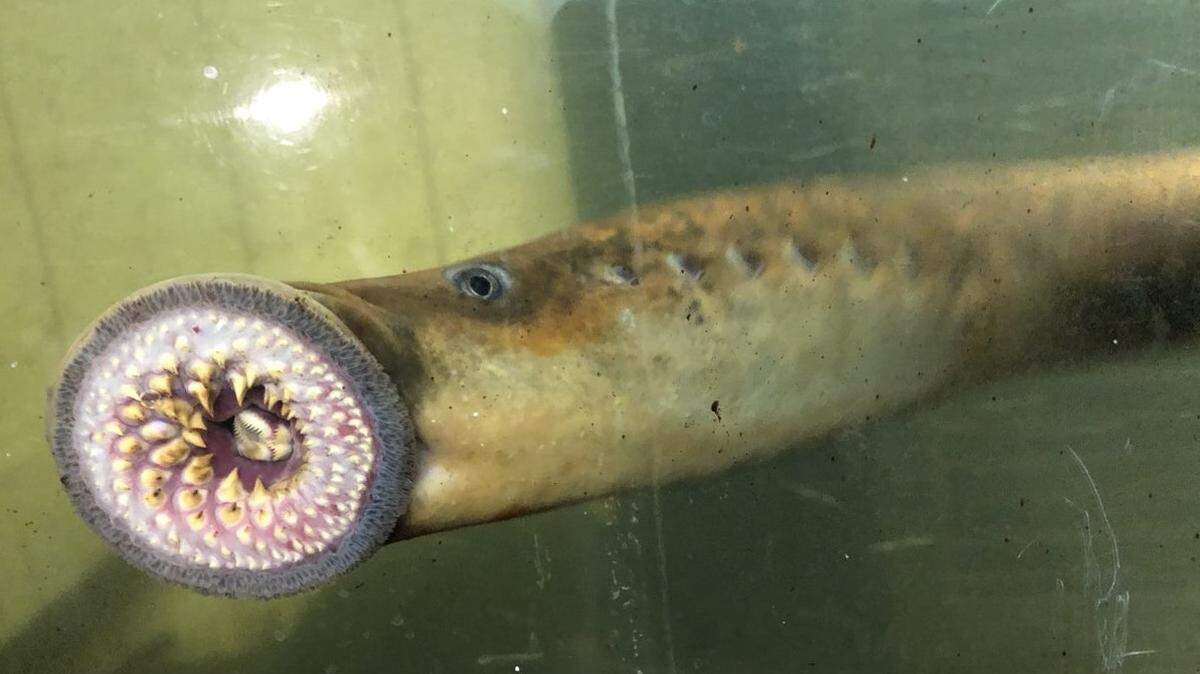
Imagine a 2-foot eel with a circular mouth and rows of jagged teeth, like a shark. That’s a sea lamprey.
A photo of one was shared this week by Vermont Fish & Wildlife, along with a warning that people in the region can expect to start seeing these ancient parasites migrating from the Atlantic Ocean into coastal rivers.
The lamprey are spawning, and this trek into fresh water is part of a ritual that can be disturbing, the state noted.
“If you happen to see a spawning sea lamprey or a lamprey carcass, don’t be alarmed,” fisheries biologist Lael Will said in a Facebook post. “Upon returning to freshwater to spawn, adult sea lamprey ... die shortly after.”
Their frightening appearance has made sea lamprey the subject of horror movies, and earned it nicknames like “vampire fish” in the tabloid media. And yes, there are documented reports of lamprey attacking swimmers, according to AnimalPlanet.com.
The species has existed for more than 350 million years, and counts as a prehistoric creature, Vermont officials reported. Its looks are deceiving, too.
“Eel-like in appearance, but not an eel,” the National Oceanic and Atmospheric Administration says. “Sea lamprey is a cartilaginous fish without jaws. This species has two close dorsal fins, no paired fins, seven gill openings, and a large round mouth with sharp, curved teeth,” NOAA says.
They survive by attaching their mouths to other sea life and “sucking their blood and other body fluids,” the Great Lakes Fishery Commission says. Sea lamprey aren’t known to kill their hosts in the ocean, but are considered an invasive species responsible for killing up to 40 pounds of fish a year in the Great Lakes, the commission says.
The native species if not often seen by people, the state said.
“In the Connecticut River, larval lamprey live in freshwater the first few years of their lives, remaining sedentary and burrowed in sandy substrate while filtering detritus from the water for nutrition,” the state posted.
“At around five years of age, they transform into juveniles and emigrate to the ocean where they attach to and feed on fish as parasites.”
This story was originally published June 24, 2020 at 2:14 PM with the headline "Blood-sucking ‘vampire fish’ now spawning in Vermont’s coastal rivers, state says."