
Cowboys of Color rodeo isn’t just about being a cowboy. It’s about education
When Cleo Hearn started his rodeo career, the sport was still segregated. At 80 years old, though, he sits in Fort Worth’s new Dickies Arena watching the Cowboys of Color rodeo he started in its 10th year at the Fort Worth Stock Show and Rodeo.
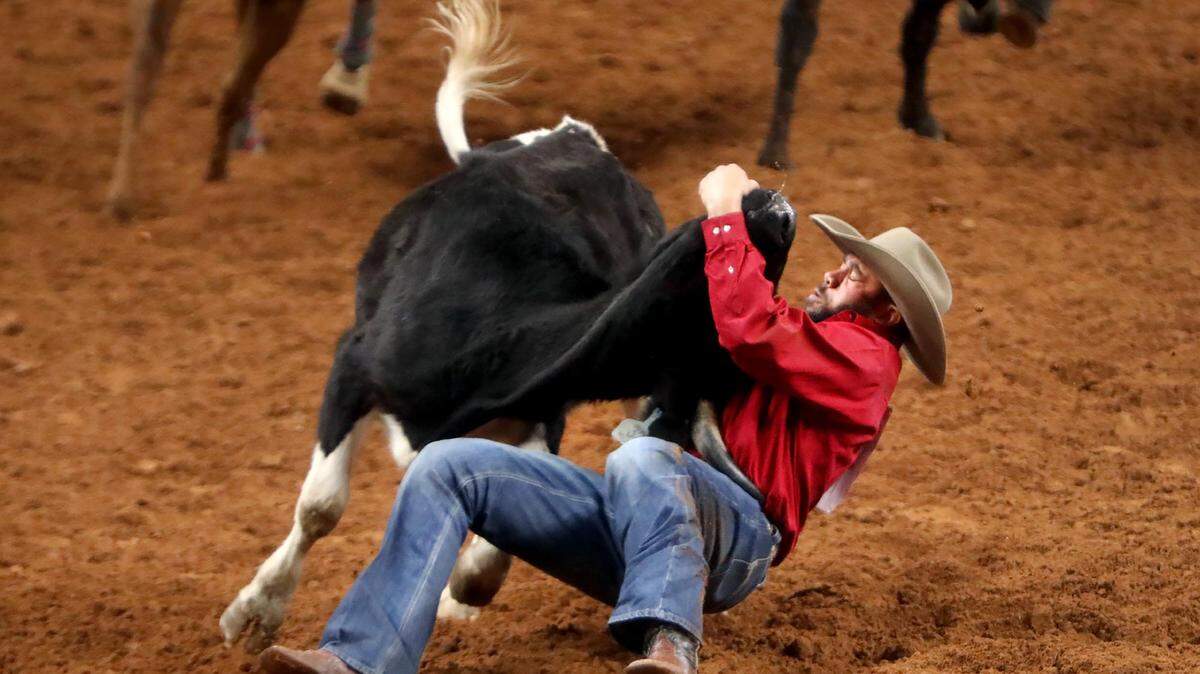
Here, cowboys and cowgirls compete in bucking broncs, bulls, steer wrestling, tie-down roping, and barrel racing. The Escaramuza cowgirls perform a traditional Mexican horse dance, and a cowboy performs Lil Nas X’s “Old Town Road” on a fiddle.
It’s a dream come true for Hearn. He competed in stock show rodeos in his younger years. Now he gets to bring cowboys and cowgirls of all ages and races to the annual event.
“Sitting down there, watching those cowboys run back and forth, it’s amazing,” Hearn said. “We welcome everybody. Black, white, Indian, green, purple. We call it the Cowboys of Color — well, everybody out there has a color, so everybody’s welcome.”
It’s an especially important event for many of the young black cowboys.
Marcus Verser, a bronc rider who finished in first place at the rodeo Monday, said it’s a great starting point and an opportunity to compete with people who have stories similar to his. It’s a hard sport but it’s fun, he said.
“It takes a lot of guts, but you’ve just gotta stay hooked,” Verser said.
He competed against Keon Miller, a 28-year-old bronc rider from Cooper.
“This rodeo means a lot to me,” Miller said. “I think it has one of the best crowds here to cheer on America’s toughest sport. When I get in there and the crowd is cheering, all I can feel is my heart beating in my chest, ready to ride.”
For him, the competition is all part of the fun.
“Nothing fires me up more than seeing one of my friends do well ahead of me,” he said.
Rodeo runs in Miller’s family. His dad rode bareback horses, and he started team roping young. He got into bronc riding because of a dare. He hasn’t looked back.
Then there’s Fort Worth Police Officer Stephen Robinson. He competed Monday in the tie-down roping competition. Rodeo is a part of his heritage, too.
Family members in south Texas competed, and his godfather’s granddaughter raced barrels. He was destined to find his way to the rodeo, he said.
As a police officer, he’d stopped competing for a while. Now working as a high school initiative officer, he has more time to practice and compete on weekends.
“There’s nothing like it,” he said. “You sit in the back of that box, sitting on a 1,000-pound horse waiting to shoot out of there and then jump out. It’s exciting. It’s adrenaline.”
The rodeo gives young cowboys, especially minorities, a starting place for competition. More importantly, Hearn said, it gives him an opportunity to fund scholarships and educate young people.
“Sure, you can make some money at this and you might even get famous, but the education is the most important part for me,” Hearn said. “I didn’t pay a penny for college, and a lot of that was because of my rodeo skills.”
He uses his success in the sport to encourage and help others achieve a college education, too.
“It’s kept a lot of young people out of trouble, too,” Hearn said. “There are a lot of good things you can do with a rodeo. I just tried to do as many of those as I could.”