
Fort Worth strives to be a healthy city
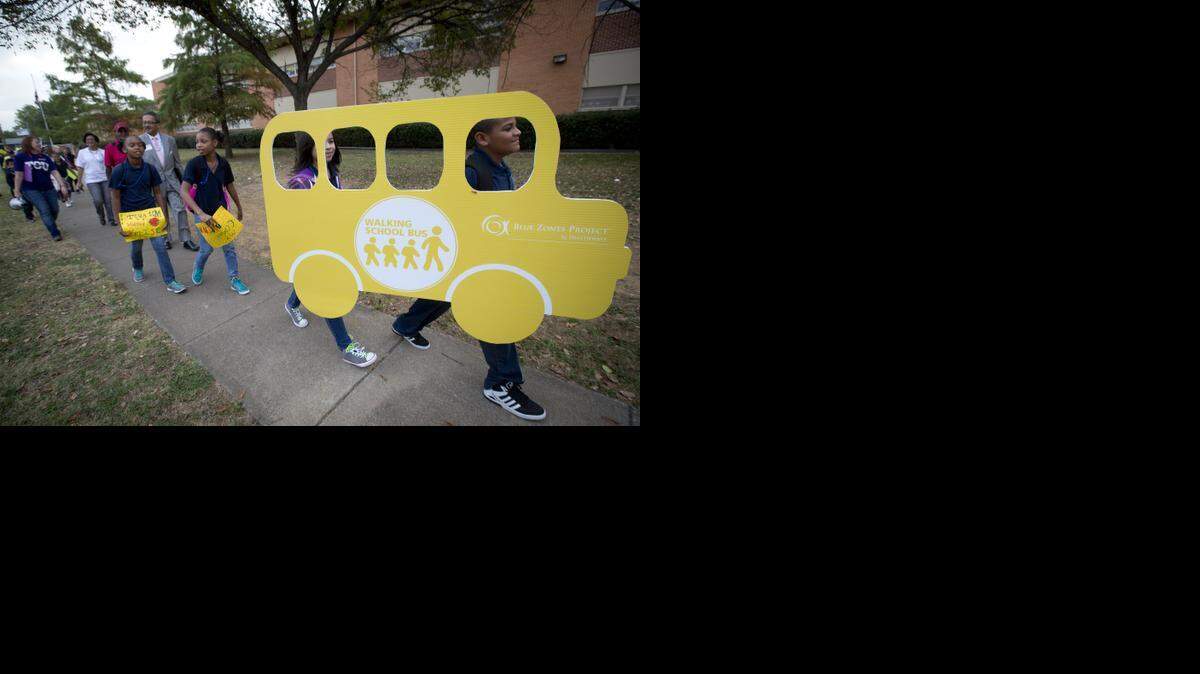
Officials want Fort Worth to be one of the healthiest cities in the nation, but it has a lot of work to do to get there.
It has been almost a year since the city agreed to work with the Blue Zones Project — a five-year, healthy-city initiative to improve all aspects of residents’ well-being — and the program is set to officially launch in February.
But localized data from the Gallup-Healthways surveys shows Fort Worth is slightly under the national averages in the various categories of well-being: physical health; having a sense of purpose and liking what you do; financial well-being; belonging to a safe community; and having positive social relationships.
For example, the data shows that 70 percent of Fort Worth residents are either struggling or suffering in financial health compared with 60 percent nationally. In the physical-fitness category, 74 percent of Fort Worth residents are either struggling or suffering compared with 67 nationwide.
It is those “opportunity areas” where the city can focus its efforts, said Suzanne Duda, vice president for the privately funded project in Fort Worth.
“Improving well-being is a big task,” Duda said with a laugh. “That is why we are here. That is why we have this office space, this fantastic team and we are dedicated here for several years. It is gargantuan task.”
The sampling of Fort Worth by the Gallup-Healthways Well-Being Index will happen once a year to “take a snapshot” of where Fort Worth is, Duda said.
The Dallas-Fort Worth metro area ranked 54th out of 189 communities in overall health of the largest cities in the U.S in the 2013 Gallup-Healthways index.
To get those rankings up, Duda and her staff will work with volunteers to reach out to the community, through schools, city government, employers, restaurants and grocery stores.
“We bring them best practices,” she said.
Grocery stores are asked to include healthy options as impulse purchases, offer cooking demos with fruits and vegetables, pass out recipes for plant-based entrees and side dishes and use shelf talkers to highlight nutritious products. Restaurants are encouraged to serve smaller portions, to stop putting salt on the table unless asked and not to offer free refills on sweetened beverages.
Residents should review “family policies” by keeping fruit on the kitchen counter, removing televisions from the kitchen and establishing rules for family time. Employers are encouraged to offer healthy options and nutritional coaching. The Blue Zones team will start putting together purpose workshops, walking groups and healthy potlucks.
The city and schools will be asked to make policy changes. For example, the city is encouraged to install traffic circles in neighborhoods and encourage cycling and pedestrians by adding trails and sidewalks.
Other policy changes the city will be asked to consider could involve things like promoting farmers’ markets, allowing vacant lots to be used for community gardens and
, creating more smoke-free zones.
“Our clear direction and goal in this project,” said Duda, “is to improve well-being.”
Caty Hirst, 817-390-7984
This story was originally published December 12, 2014 at 5:54 PM with the headline "Fort Worth strives to be a healthy city."