Fort Worth City Council approves liquor store rezoning against commission’s advice
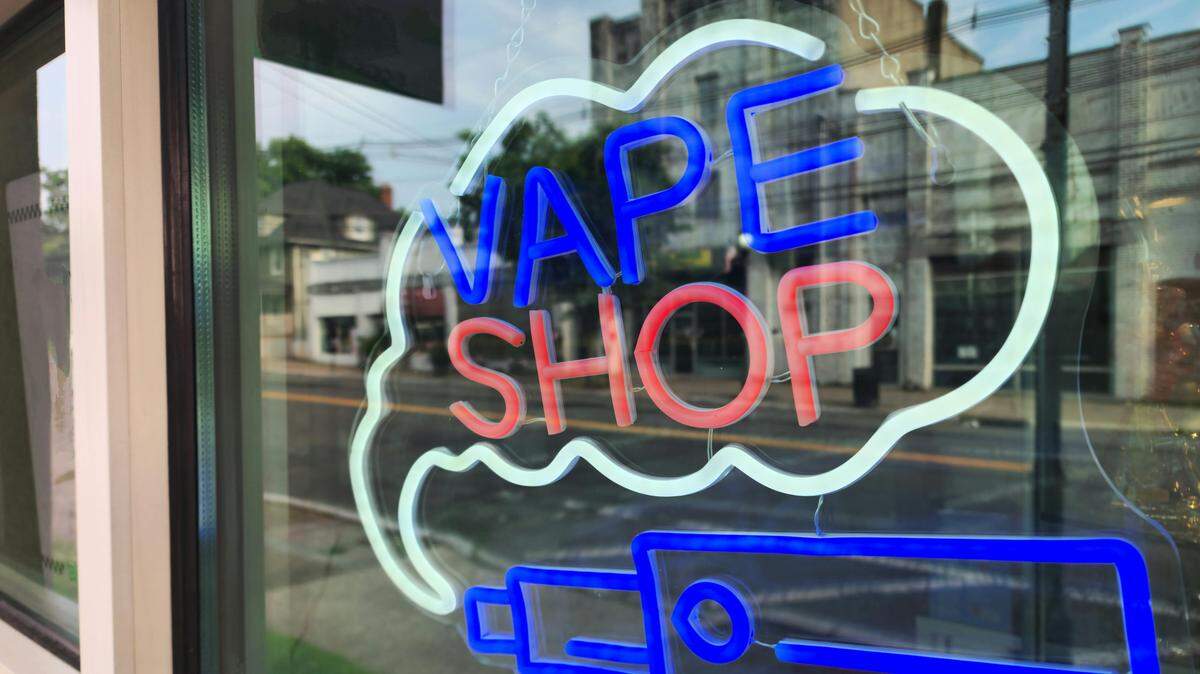
The Fort Worth City Council voted unanimously at its meeting on Jan. 27 to approve an ordinance that would reshape how the city zones liquor stores, vape shops, and credit access businesses — commonly known as ‘payday loan’ businesses — against the advice of the Zoning Commission.
The proposed ordinance has been making its way through Fort Worth’s city government since last fall, drawing complaints from local business owners and questions from members of the Zoning Commission about the ordinance’s language.
Here’s what you need to know about the new ordinance:
Background
In October, the city’s infrastructure and growth committee discussed possible amendments to zoning requirements for liquor, package, and smoke shops, in addition to pawn shops and some new language in the zoning code for bars and restaurants.
City Council briefly discussed the proposal in December, and the Zoning Commission reviewed it at its January meeting.
Business owners spoke in opposition to the proposal, telling commissioners that the ordinance would not solve crime in low-income neighborhoods, but instead punish businesses that have been around for years.
“What good will this ordinance actually do when there are already convenience stores on every corner of this city?” asked Danielle Tucker, a commercial real estate owner.
Commissioners, after discussing concerns that the language in the ordinance needed more specificity, recommended that the City Council deny its approval.
What’s in the proposal?
The proposed ordinance has shifted some since it was originally written. Here’s what is included in it now:
Newly operating payday loan businesses, liquor or package stores, and smoke shops would have to be 1,000 feet from the property line of existing businesses of the same kind, in a direct line across intersections.
Pawn shops were originally included in the ordinance, but have since been removed since Texas state law dictates that new pawn shops will not be approved if there is another one within two miles in counties with more than 250,000 people.
Smoke shops already must be at least 300 feet from schools, universities, and hospitals. That distance would go up to 500 feet, and public parks, places of worship, and day cares would be added to the “sensitive uses” list.
The ordinance also adds definitions in the city’s zoning code for liquor and package stores, payday loan centers, and bars, and changes the definition of smoke shops and restaurants.
Bars would become defined as establishments where 75% of gross quarterly revenue for the business come from the sale or service of alcoholic beverages.
Payday loan centers would be defined, per Texas finance code, as “a credit services organization that obtains for a consumer or assists a consumer in obtaining an extension of consumer credit in the form of a deferred presentment transaction or a motor vehicle title loan.”
Liquor and package stores would be defined as establishments primarily for the sale of alcoholic beverages.
Restaurants would be defined as places open to the public, with “suitable” seating for guests, which operate as a “permanent food service facility.”
For smoke shops, the “definition percentage threshold” — the percentage of sales that include tobacco and tobacco-related products, as well as e-cigarette products — would decrease from 90% to 50%.
The ordinance also includes some language removing liquor or package stores as a permitted use in the “E” neighborhood commercial zoning district and mixed-use form-based code district.
What next?
Even though the Zoning Commission recommended that the City Council not approve the ordinance, saying that there needed to be more clarity around some of the verbiage, council members still approved it unanimously. Council member Elizabeth Beck initiated the motion to approve.
There is no exact date when the ordinance will take effect.