In these Fort Worth area neighborhoods, a food bank is quietly saving lives
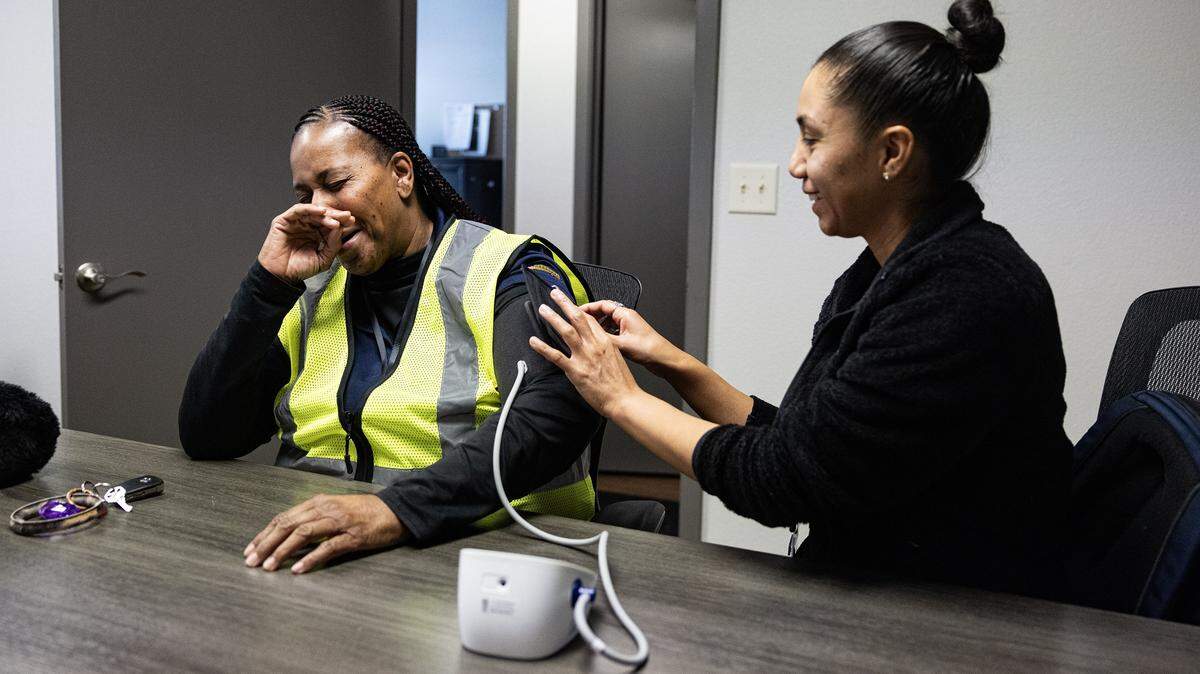
When Ramonica Tarrant first got her blood pressure checked at HIM Food Bank in June, her systolic blood pressure reading was 150, meaning she was in stage 2 hypertension. With blood pressure that high, Tarrant was at risk for heart disease, stroke, and a host of other health issues.
On Wednesday, her systolic blood pressure was 130 — still elevated, but 20 points lower than her initial reading.
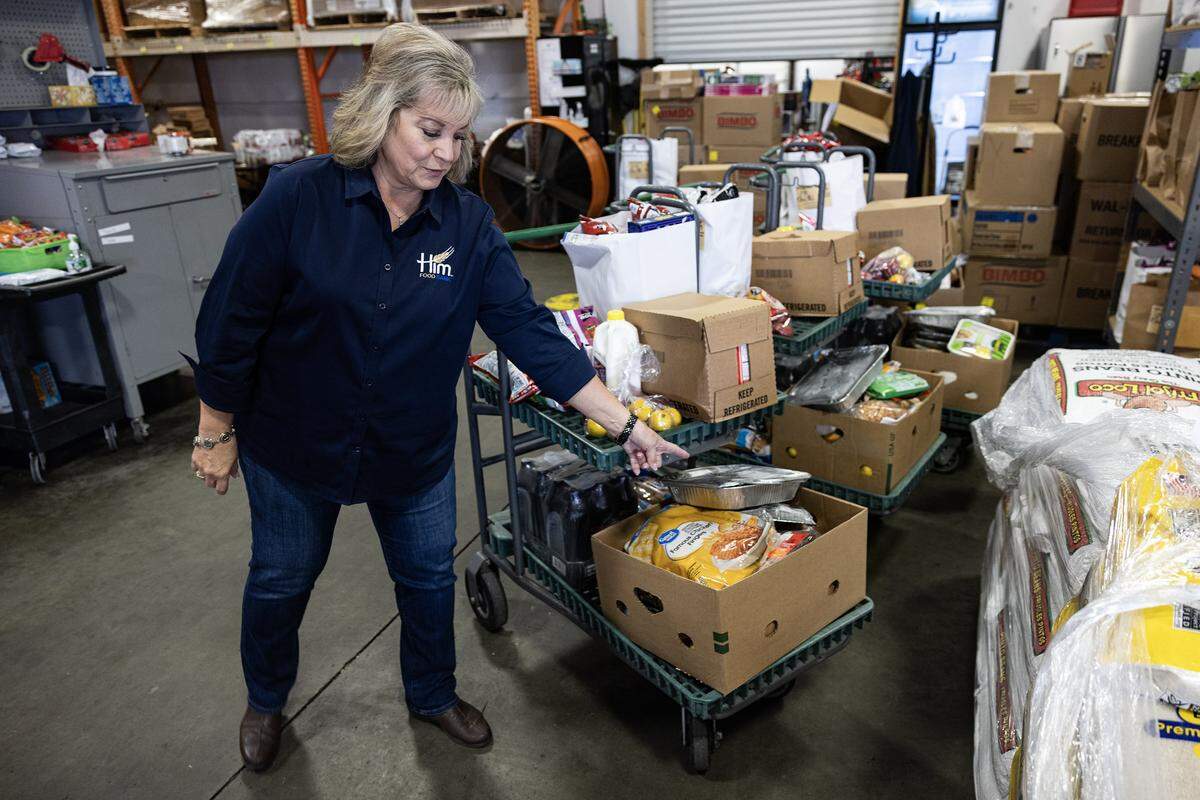
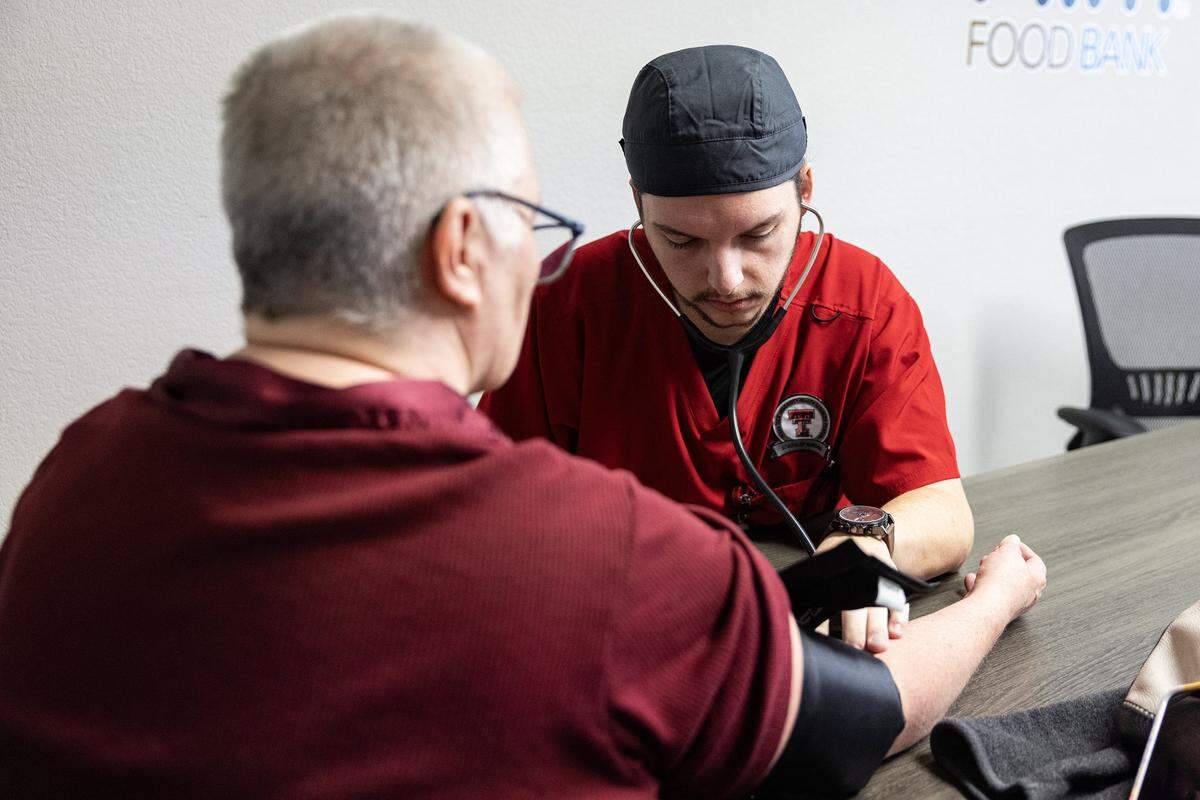
Tarrant, 59, was able to lower her blood pressure to a safer range thanks to her participation in HIM Food Bank’s Wellness on Wheels program. The program offers healthy groceries and monthly blood pressure and blood sugar checks to 640 people, the majority of whom have successfully lowered either their blood pressure or blood sugar since joining the program. The program is funded by a $434,330 grant from Texas Health Resources.
Of the people enrolled, 91% have successfully lowered their blood pressure since the program launched in April, and 87% have lowered their blood sugar levels, said Lisa Richardson, the president and CEO of HIM Food Bank, which is based in Mansfield.
Hypertension and diabetes are two of the most pressing chronic conditions that Tarrant County, and the U.S. as a whole, are facing. A World Health Organization report found that hypertension “was the single most important risk factor for early death worldwide.” But the risk is not born equally. In some Fort Worth neighborhoods, one in four adults have high blood pressure. In others, half of all adults have high blood pressure. Black adults also suffer high blood pressure at higher rates than other racial and ethnic groups.
HIM Food Bank’s program serves 76105, where Tarrant lives, and four other Tarrant County ZIP codes, all of which have disproportionate rates of high blood pressure and diabetes.
“These five ZIP codes were the ones affected in the Metroplex the most by people that are not being seen by a physician or getting their blood pressure checked,” Richardson said.
The majority of people in HIM Food Bank’s program either don’t have health insurance or can’t afford to pay the co-pay needed to go see the doctor, Richardson said, and one in three participants doesn’t have enough groceries on a weekly basis.
Most participants stay in the program for about six months. The food bank’s goal is to work with 2,000 people before the grant ends in December 2026, Richardson said.
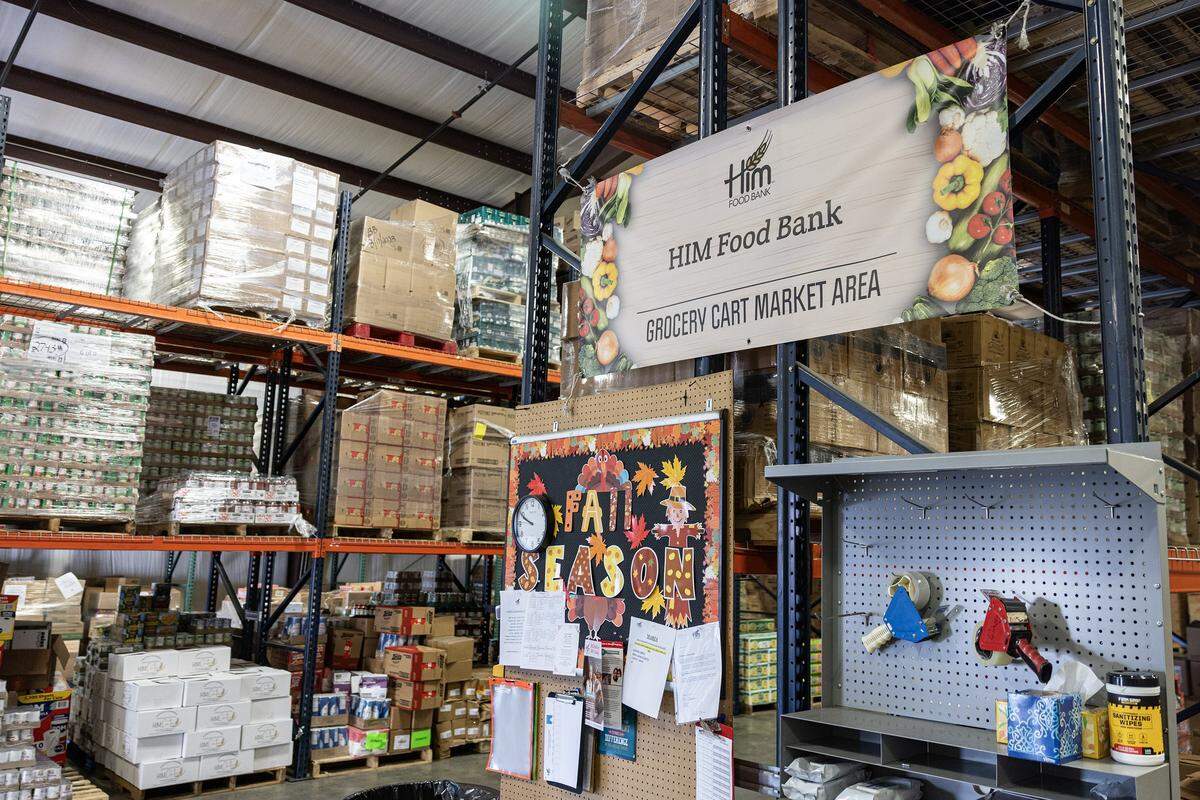
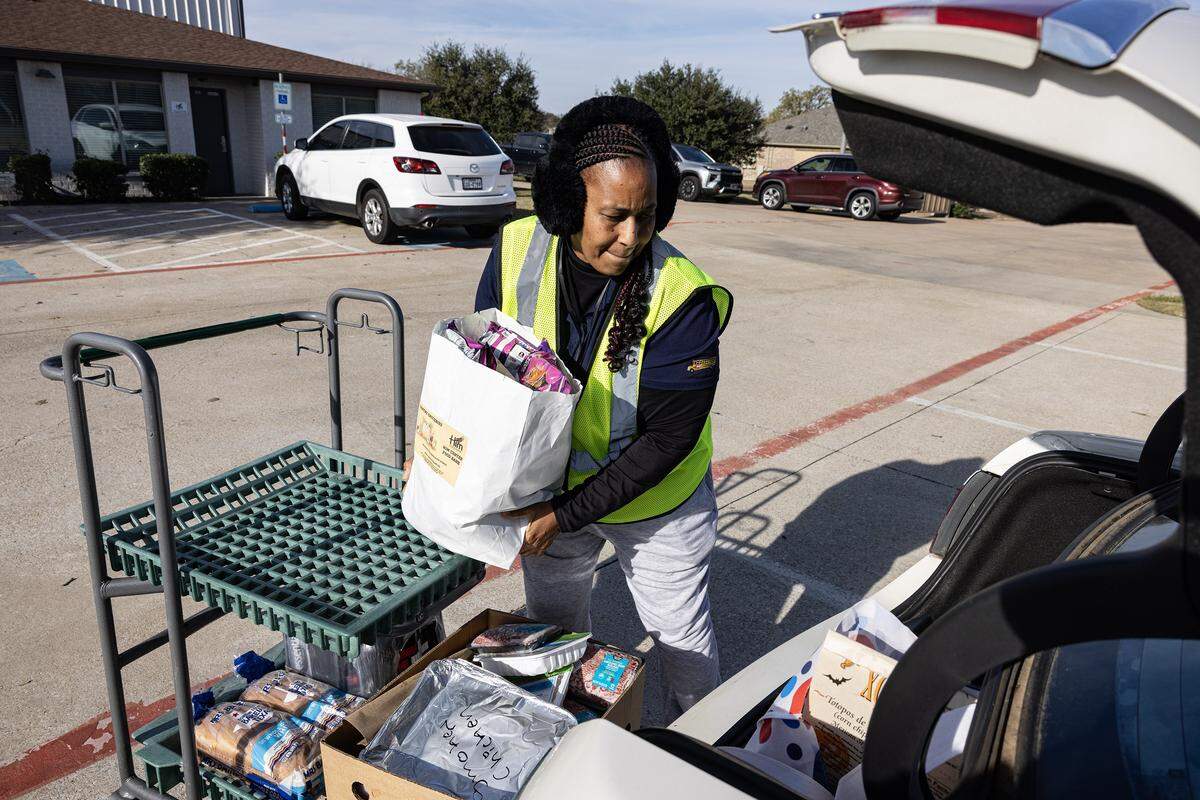
For Tarrant, a bus driver, the program has made multiple important changes. She gets bimonthly access to healthy groceries, like greens, carrots and bell peppers she uses to make salads, she said. She also gets regular checks on her blood pressure and blood sugar from nurses who volunteer with HIM Food Bank, which helps her keep track of her health without requiring a visit to the doctor. She got an at-home blood pressure cuff so she could monitor her blood pressure at home. Her blood pressure has improved so much that her doctor has reduced the number of blood pressure prescriptions Tarrant takes from two to one.
Hayden Bosworth, an expert on chronic diseases like hypertension and diabetes, said there was strong evidence showing that using home blood pressure cuffs can help patients control their blood pressure.
“You got to know where you’re starting from before you start intervening and making any changes,” said Bosworth, a professor in population health sciences at Duke University.
In 2019, Texas Health Resources began a renewed focus on non-medical drivers of health, said Marsha Ingle, part of THR’s Community Health Impact team. Wellness on Wheels is one of multiple programs funded by the health system to focus on the social determinants of health.
“Health does not happen in a bubble,” Ingle said. “[There are] all of these factors that are outside of the hospital walls in the community can impact your health significantly.”
The program has also helped Summer Rhim, 47, lower her blood pressure by 20 points. Rhim, who lives in the 76010 zip code, said the program helped to keep her accountable.
“I don’t have any health care insurance, so it kind of gives me an idea of where I am,” she said.
Rhim gets healthy food from the food bank like lettuce, which she uses to make salads, and yogurt, which is typically too expensive for Rhim to buy at the grocery store.
Rhim said her favorite part of the program was that the people running it didn’t make her feel judged for needing help.
Karen Gotch, another program participant, said she didn’t know her blood pressure was elevated until she started coming to HIM Food Bank for blood pressure checks. Now, she typically checks her blood pressure three times a day using her new at-home cuff. Her goal is to be able to keep up with her grandbaby, who turns 2 this month.
Gotch, 65, said there wasn’t one specific thing about the program that helped her lower her blood pressure.
“It’s knowing that I’m coming in here, that somebody’s monitoring this,” she said.
This story was originally published December 8, 2025 at 12:57 PM.