TCU leads new collaboration with hospitals to help save pregnant women’s lives
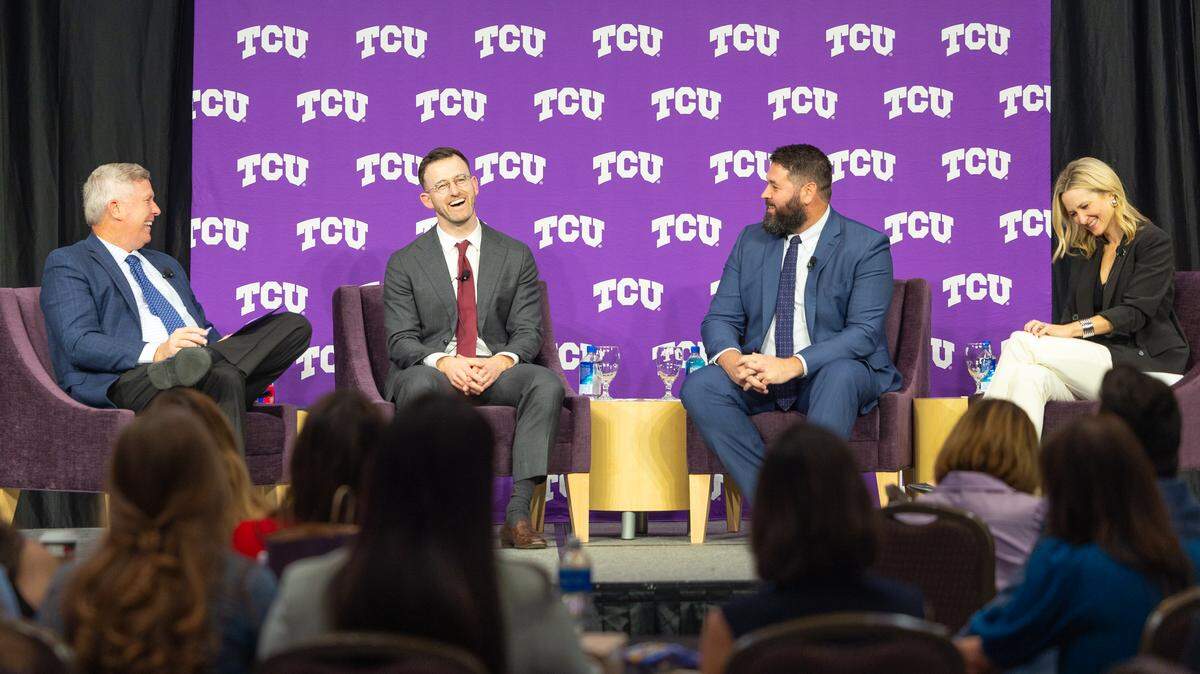
TCU’s medical school and UT Southwestern are leading an innovative new collaboration with North Texas hospitals, researchers and community partners aimed at saving lives of pregnant women and their babies.
The Burnett School of Medicine at TCU and UT Southwestern Medical Center on Monday celebrated the announcement of the North Texas Maternal Health Accelerator, a program to improve maternal health through sustainable funding models and innovative interventions. Area hospitals from every major health system in North Texas are committed to the shared goals of reducing maternal morbidity and deaths.
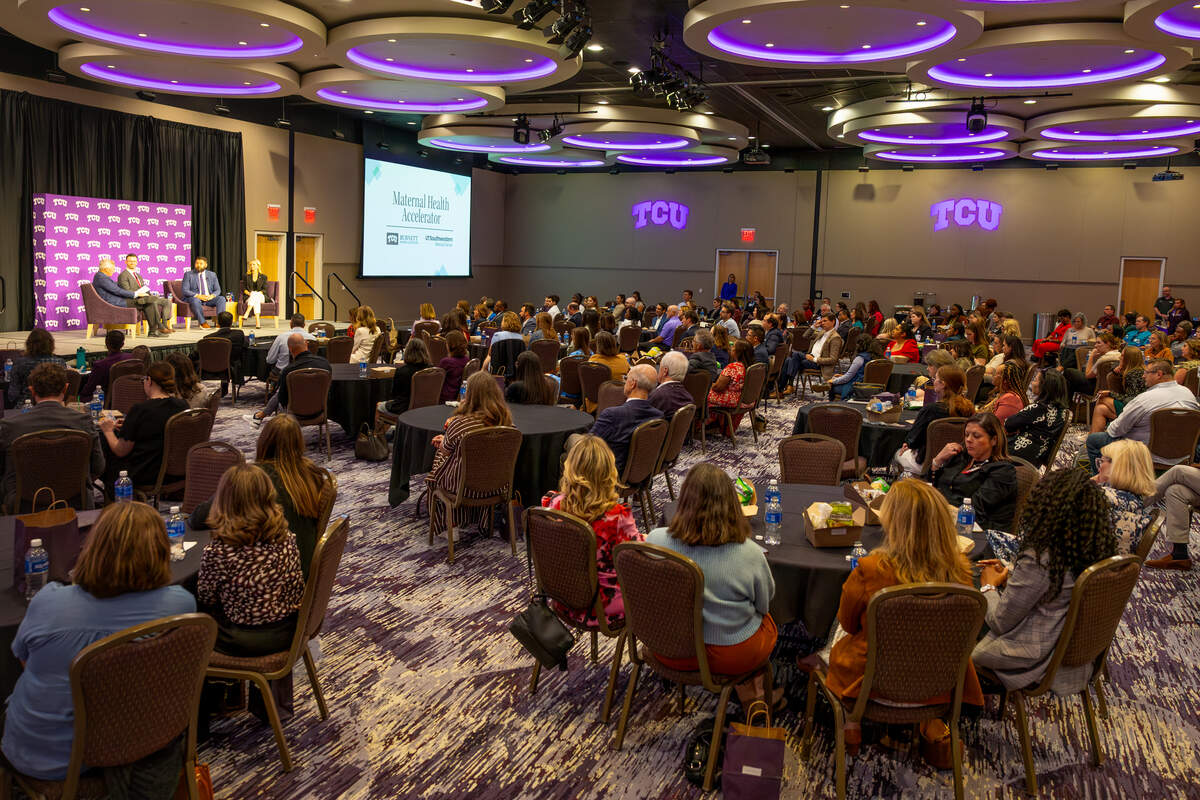
Eleven philanthropic partners committed nearly $25 million to support the program. Its goal is to reduce severe obstetric complications by more than 20% over three years through technology and strategies, and to develop economic models that reward maternal health improvements that last beyond the program’s period to keep mothers and babies healthy.
“When we come together to solve a problem, the impact is real, and in this case, the impact saves lives, resources and prevents long-term challenges,” TCU Chancellor Daniel Pullin said.
The Dallas-Fort Worth area has one of the highest maternal mortality rates in the state, with 25.4 deaths per 100,000 live births between 2012-15, according to a 2018 Texas Maternal Mortality and Morbidity Biennial Report. Severe obstetric complications, such as hemorrhage or severe bleeding and preeclampsia or a type of high blood pressure, are the leading causes of maternal deaths globally, according to the World Health Organization.
Dr. Stuart Flynn, founding dean of the Burnett School of Medicine, will lead the program, which is coordinated by Child Poverty Action Lab, a Dallas-based nonprofit. My Health My Resources of Tarrant County and Parkland Center for Clinical Innovation serve as key partners.
More than 60 health care clinics, managed care organizations and other partners throughout North Texas are a part of the program.

The program’s initiatives include providing prenatal iron supplements to reduce pregnant women’s risk of needing a blood transfusion after delivery. TCU’s medical school says distribution of the supplements began at JPS Family Health Center and has expanded to 16 community clinic partners across 60 sites.
There will be standardized training for healthcare professionals around severe obstetric complications to improve outcomes for women during childbirth. Finally, it will incorporate both hospital and community partners to help patients manage hypertension.
The program has already launched interventions in the community with the hopes of soon driving clinical impact.
“We’re going to focus on solutions and saving lives,” Mayor Mattie Parker said.