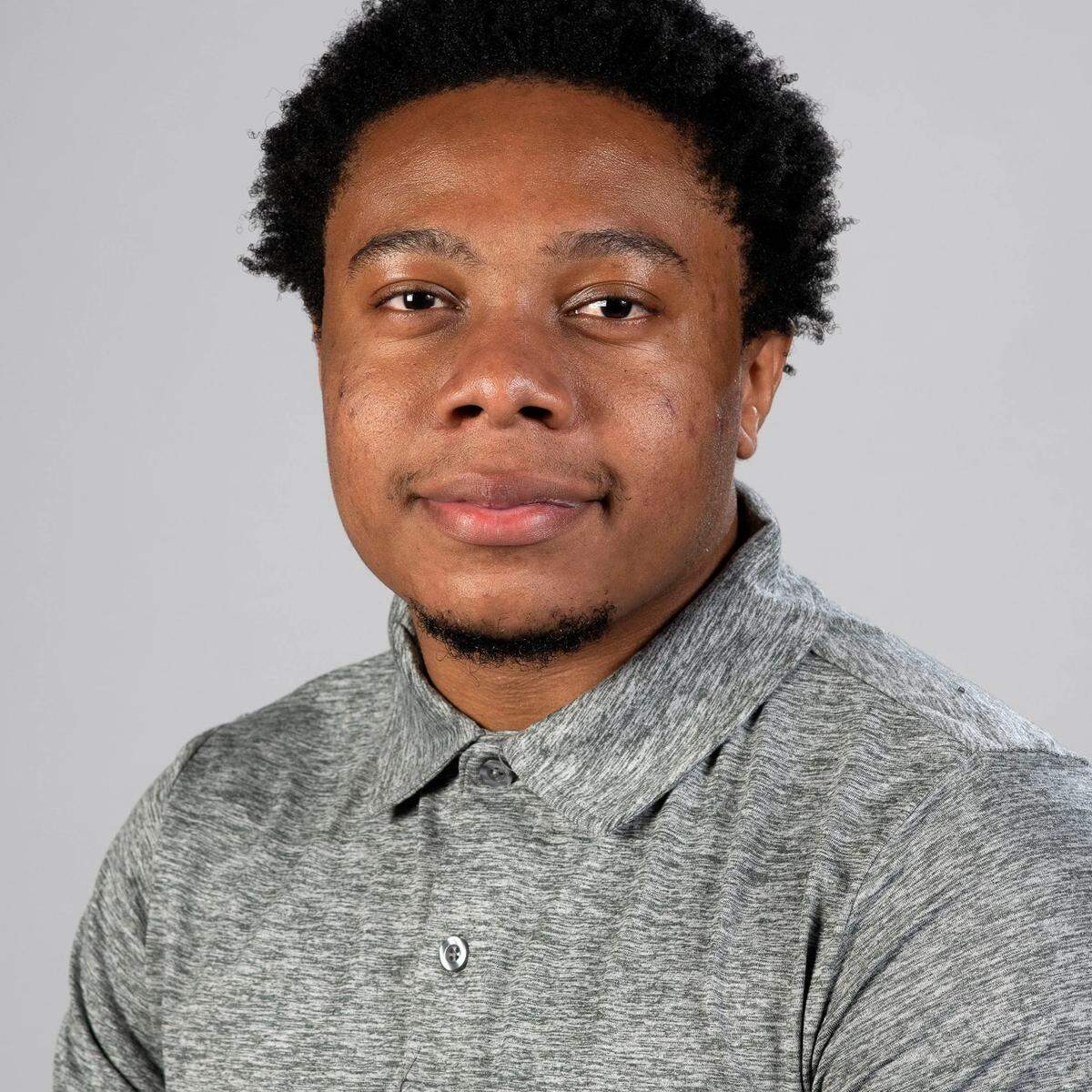
‘Terrified’: How a North Texas teen discovered he suffered from a silent killer
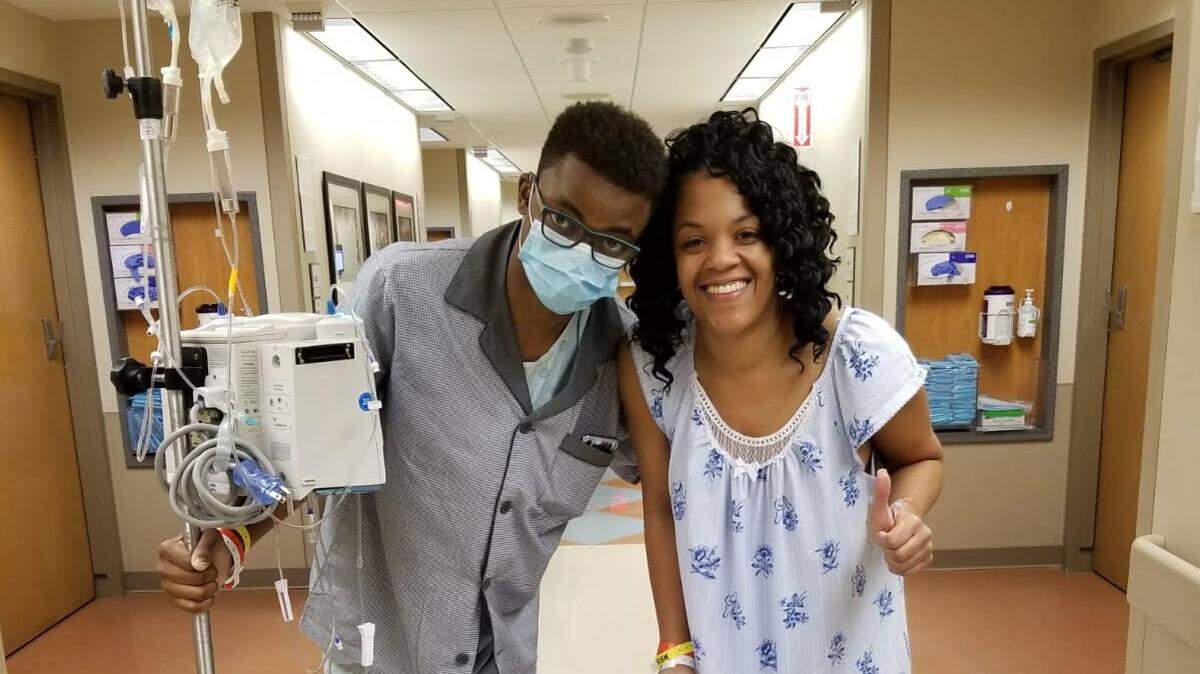
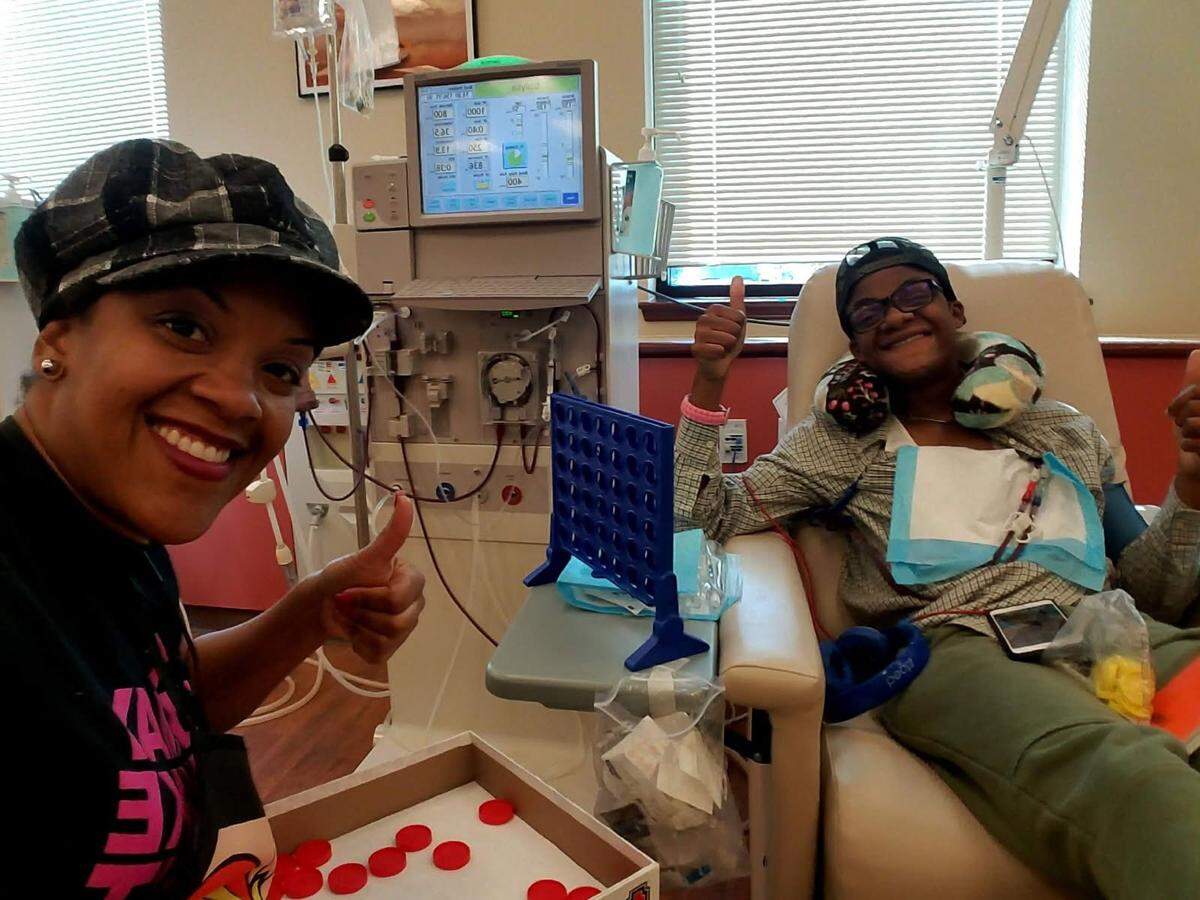
Ky’are Grant posted Instagram and Facebook videos of himself chatting up nurses as they poked and prodded him, attaching his body to a machine to filter toxins from his blood. The videos were intended to motivate others who, like him, were undergoing dialysis.
Deep down, though, he was depressed and anxious, Grant says, remembering those four-hour treatments, three times a week.
He was 19 at the time, in 2017, when he started posting those images of himself on social media. In a dialysis center where other patients were in their 50s, 60s or older, he was trying to project hope. He was trying to be a light.
He also was asking himself a hard question: “When is this going to end?”
Grant, who lives in Arlington, was diagnosed with focal segmental glomerulosclerosis, where scar tissue prevents the kidneys from removing waste from the blood. He received a transplanted kidney from his mother in 2018, and today is an advocate for others suffering like he did. But before that, he was among an estimated 1 in 7 adults, or 35.5 million Americans, diagnosed with kidney disease.
In Tarrant County, this disorder is becoming more widespread. Adult cases have spiked 3% to 5% over the past 10 years, according to Tarrant County Public Health data.
Death rates from kidney disease have been highest among non-Hispanic Black people in Tarrant County. The data shows a mortality rate of 24 per 100,000 population in 2023, compared with 14 for Hispanic people and 14.5 for non-Hispanic white people.
“The No. 1 problem in kidney disease is it’s detected in its early stages, but not reported to the patient until its later stages,” said Tiffany Jones‑Smith, president and CEO of the Texas Kidney Foundation and chair of the state’s Chronic Kidney Disease Task Force.
Kidney disease has been linked to diabetes, genetics and socioeconomic factors such as chronic stress, lack of access to health care and food insecurity. Undiagnosed chronic kidney disease is a challenge, but earlier screening and innovation in medicine can help lower the chance of developing the disease.
“Losing My Son”
When a life insurer refused to provide coverage, Grant’s doctor explained to him and his mother that it was because he was in end-stage kidney failure.
“Terrified is an understatement,” said his mother, Curtisha Grant. “All I thought about was losing my son.”
When kidneys fail, toxins, electrolytes and fluids that are usually expelled through urine build up to dangerous levels. Symptoms of that dysfunction can range from a change in urine color and muscle cramps to fatigue and a loss of appetite. Symptoms will not occur for some people until the condition has advanced. Grant’s symptoms included exhaustion and urinating once a week. The urine was dangerously dark. He had no idea he was seriously ill.
Nine out of 10 U.S. adults are unaware they have kidney failure and are untreated, according to the Centers for Disease Control and Prevention.
The experts who sit on the state’s Chronic Kidney Disease Task Force provide recommendations for prevention, early screening, diagnosis and management. According to a January 2025 report from the task force, there was a concern that medical practitioners are monitoring patients without reporting the disease until it reaches later stages, which has contributed to an exponential growth of the disease, according to Jones‑Smith, the chair of the task force.
Compared to white Americans, Black people were almost four times more likely to have various forms of kidney failure, according to the National Kidney Foundation’s most recent data. For Hispanics, it’s 1.3 times more likely.
Diabetes, high blood pressure, obesity and cardiovascular disease raise the risks of kidney failure.
“They don’t have time to do all the things that somebody who has a white-collar job is able to do, which is to cook, socialize and spend time with family,” Ortiz said. “Those are kind of the things that bring your stress level down, as well as access to not only food, but also access to a healthcare provider.”
Hope for the future
Controlling body weight and blood pressure are some ways of warding off kidney disease, said Dr. Samir Parikh, an internist specializing in kidney disorders and professor in the Department of Internal Medicine at the University of Texas Southwestern Medical Center.
Two drugs — SGLT2 inhibitors like Brenzavvy or Jardiance, and GLP-1 receptor agonist drugs like Ozempic — are used to treat type 2 diabetes.
“There are unprecedented amounts of hope and opportunity to try to stop kidney disease in its tracks,” Parikh said. “For certain kinds of kidney disease, just put it into remission and keep an eye on it, and if the research keeps evolving, maybe even reverse the course of kidney diseases.”
It’s also recommended to use early detection tests like the estimated glomerular filtration rate, a blood test, and the urine albumin-creatinine ratio, a urine test. Each monitor and measure kidney function.
Grant’s diagnosis in April 2017 immediately prompted lifestyle changes, but it didn’t help him. He traded chicken tenders and fast-food tacos for turkey burgers with no seasoning and fruit. He had to stay out of the sun and quit his two jobs working at a Boys and Girls Club and at Main Event Entertainment. His weak kidneys couldn’t withstand the exertion.
He was placed on dialysis in October 2017. The look of other patients arms repulsed him, so he always asked for the catheter to be put in his chest instead of his arm. The blood being drawn and filtered through a hemodialysis machine still haunts him. Even today, he can’t look at his blood when it’s drawn during yearly checkups.
While on dialysis, Grant and his family waited for an organ to become available from a kidney transplant center. According to the National Kidney Foundation, over 101,000 Americans need a kidney, but only 17,000 people receive one each year. Meanwhile, 12 people die every day waiting for a transplant.
His family screened for potential matches. His mother was declared a match.
The surgery — a “labor of love,” his mother says — was on Feb. 13, 2018.
That year, Grant started a nonprofit called Key’s Kidney Foundation, which provides kidney care through advocacy, dietary and preventative education, mentorship, consultation, scholarships and pastoral care services.
“Sometimes you have to tell your own self,” Grant said, “and believe in your own self that, ‘Hey, you know what? I’m going to make it through this.’”