
This 6,000-pipe organ is about to come back to life in a Fort Worth church
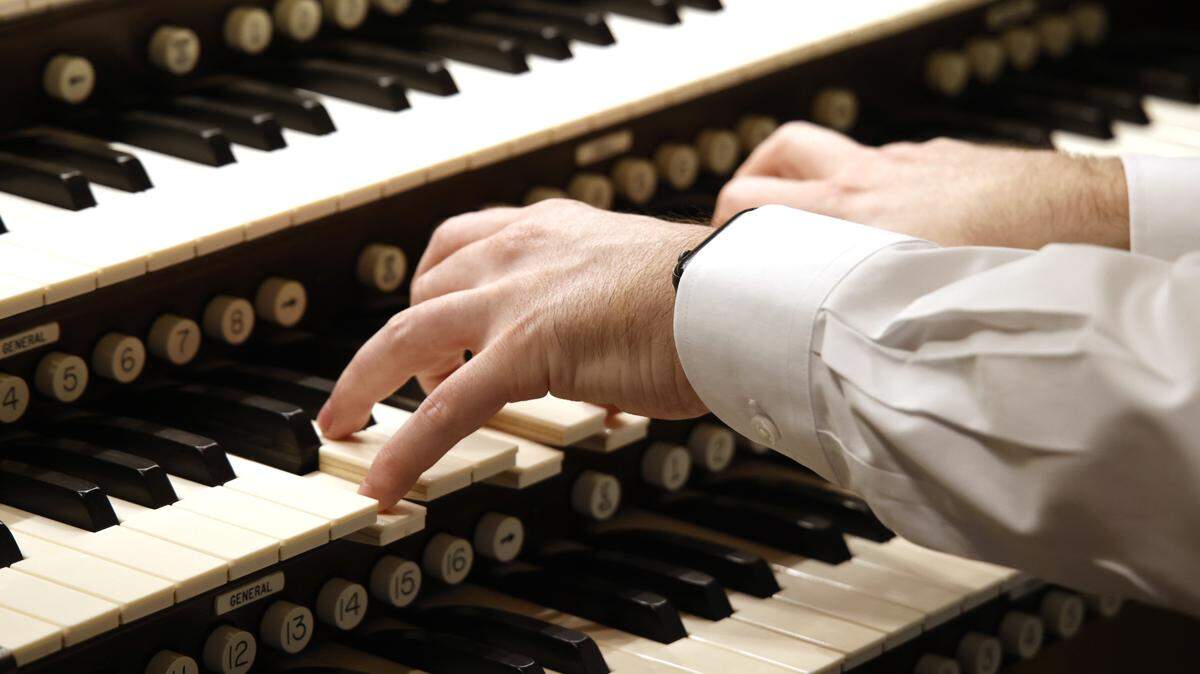
After six years of work and tens of thousands of dollars, the newly refurbished organ at St. Stephen Presbyterian Church in Fort Worth will be dedicated Sunday, Sept. 14, with a performance by internationally acclaimed organist Nathan Laube.
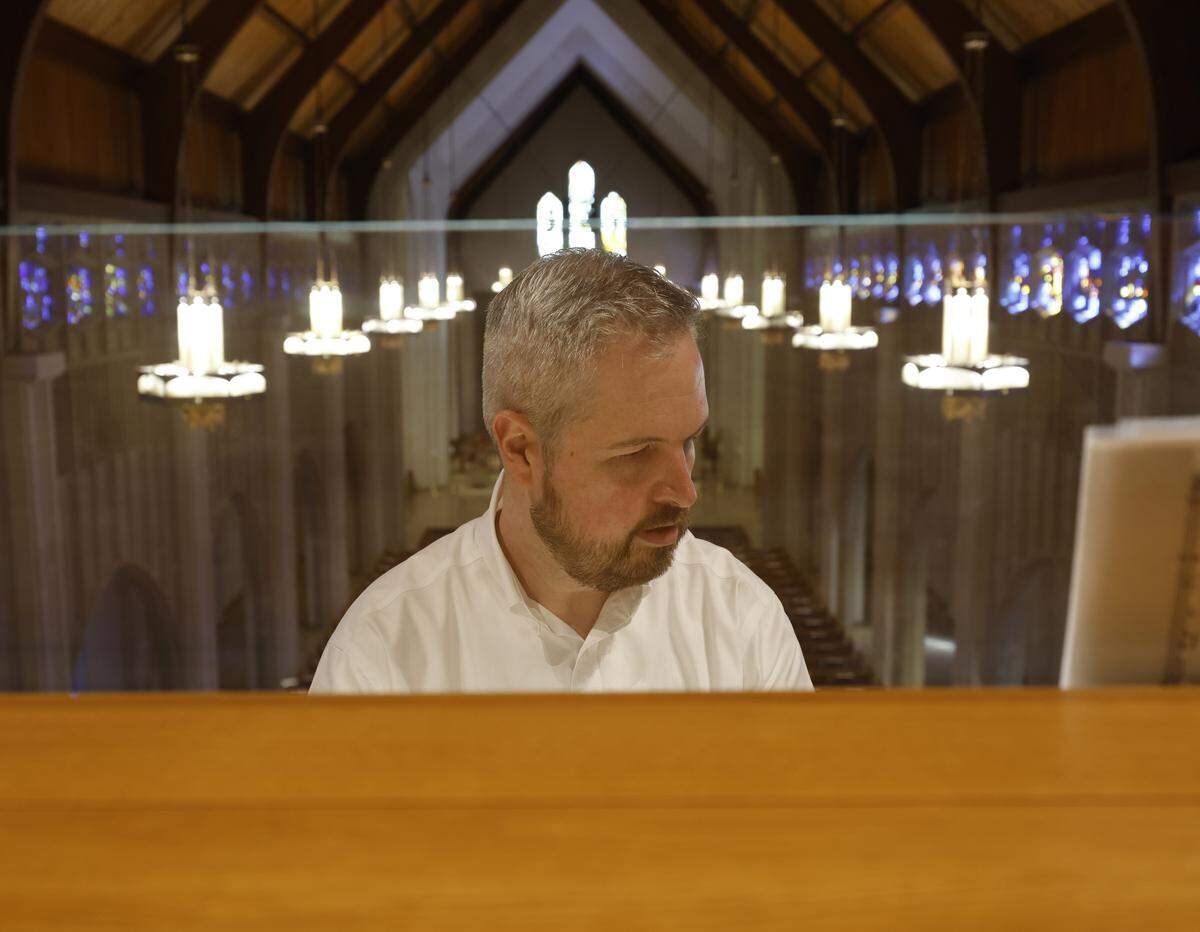
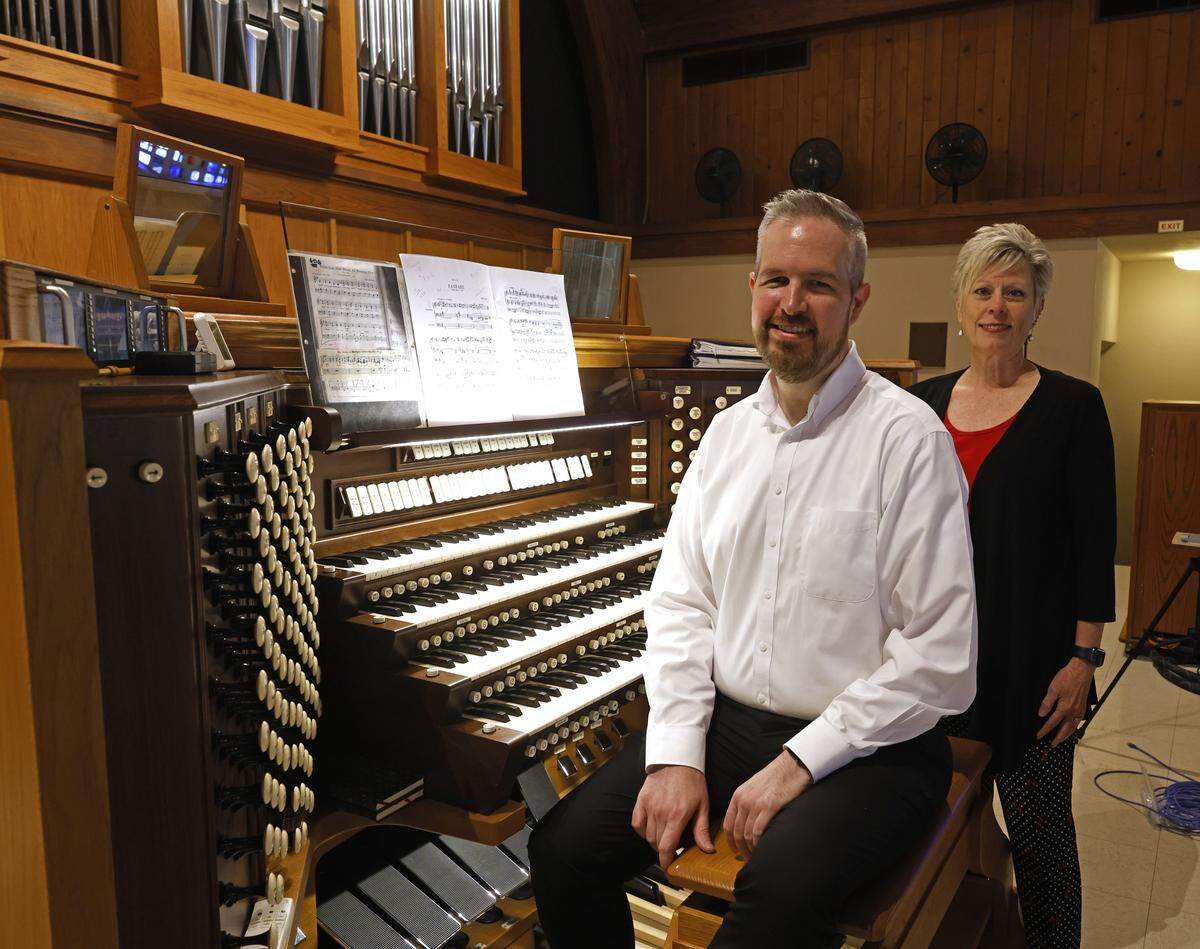
With more than 6,000 pipes, the Peter Mark Scott Sanctuary Organ — named in honor of St. Stephen’s longtime music minister and organist who died in 2014 — is one of the largest in Fort Worth. Even when music minister and organist Jordan Smith holds back, the instrument’s sound fills the cruciform-shaped sanctuary, creating a sense of awe in the sacred hall.
“It reminds you there’s something bigger out there,” Smith said of the organ’s effect on worshippers.
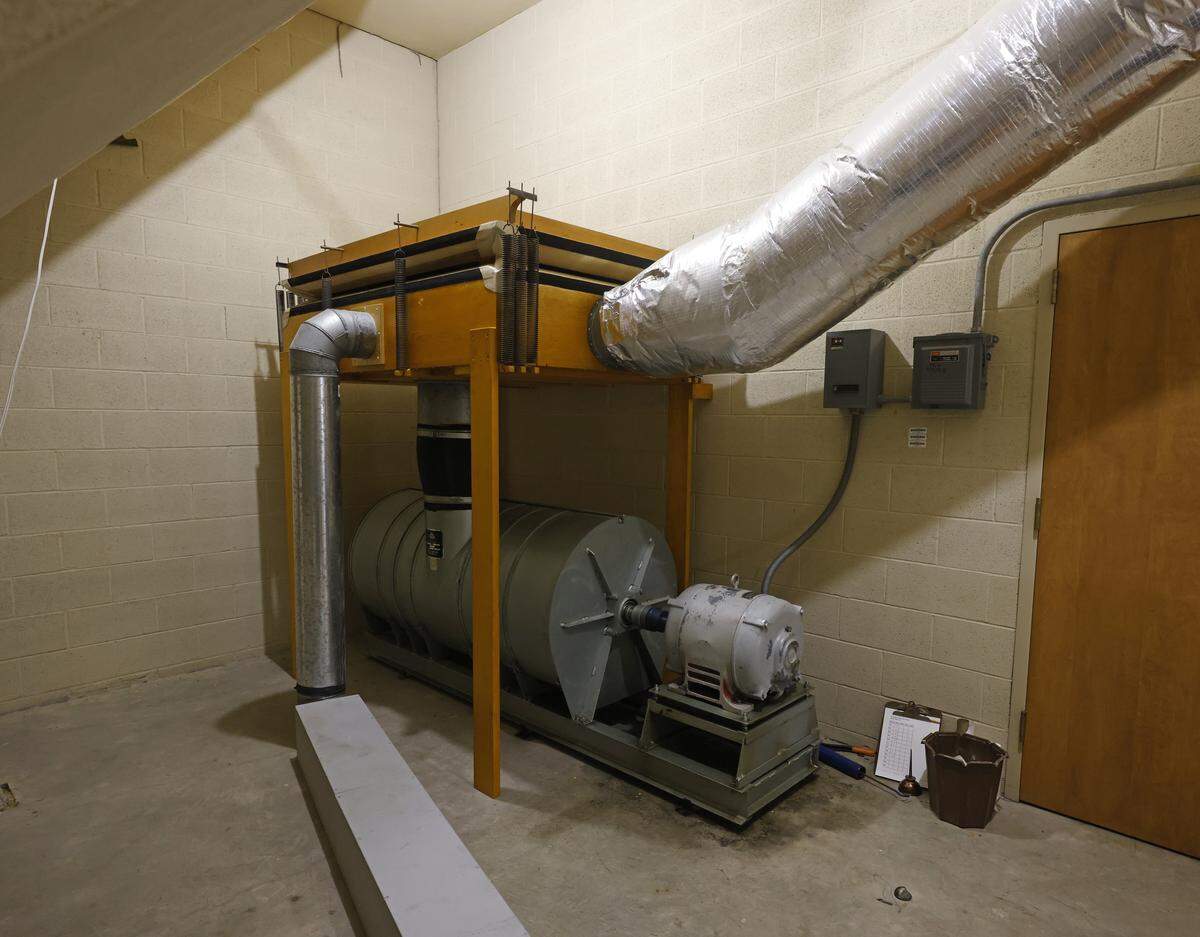
The unseen power behind St. Stephen’s organ
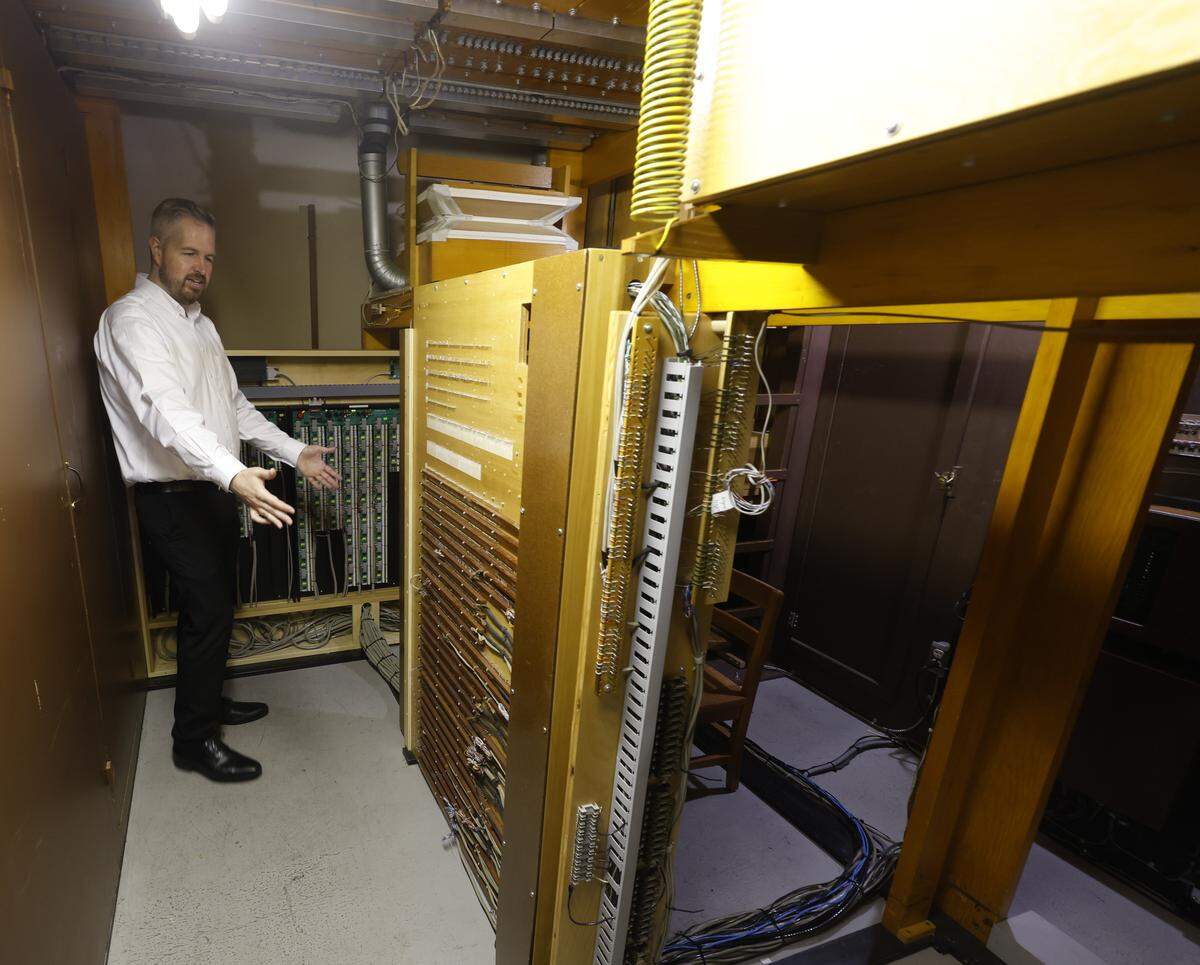
A pipe organ is a bit like a clock. It has a face — the console, the pipes — but the behind-the-scenes mechanisms are the instrument’s powerplant.
The console, where the keys are played, and most of the pipes for St. Stephen’s organ are in the choir loft above the sanctuary. Go through a small doorway beneath the exposed decorative pipes, and you find a network of valves and wires, bellows and air ducts, and many, many more pipes, some metal, some wood.
Three electric blowers inflate the bellows. As Smith plays, the bellows push air through the pipes, which range from 3 inches to 32 feet in length. Some are as skinny as a pencil; others can be as much as 2 feet wide.
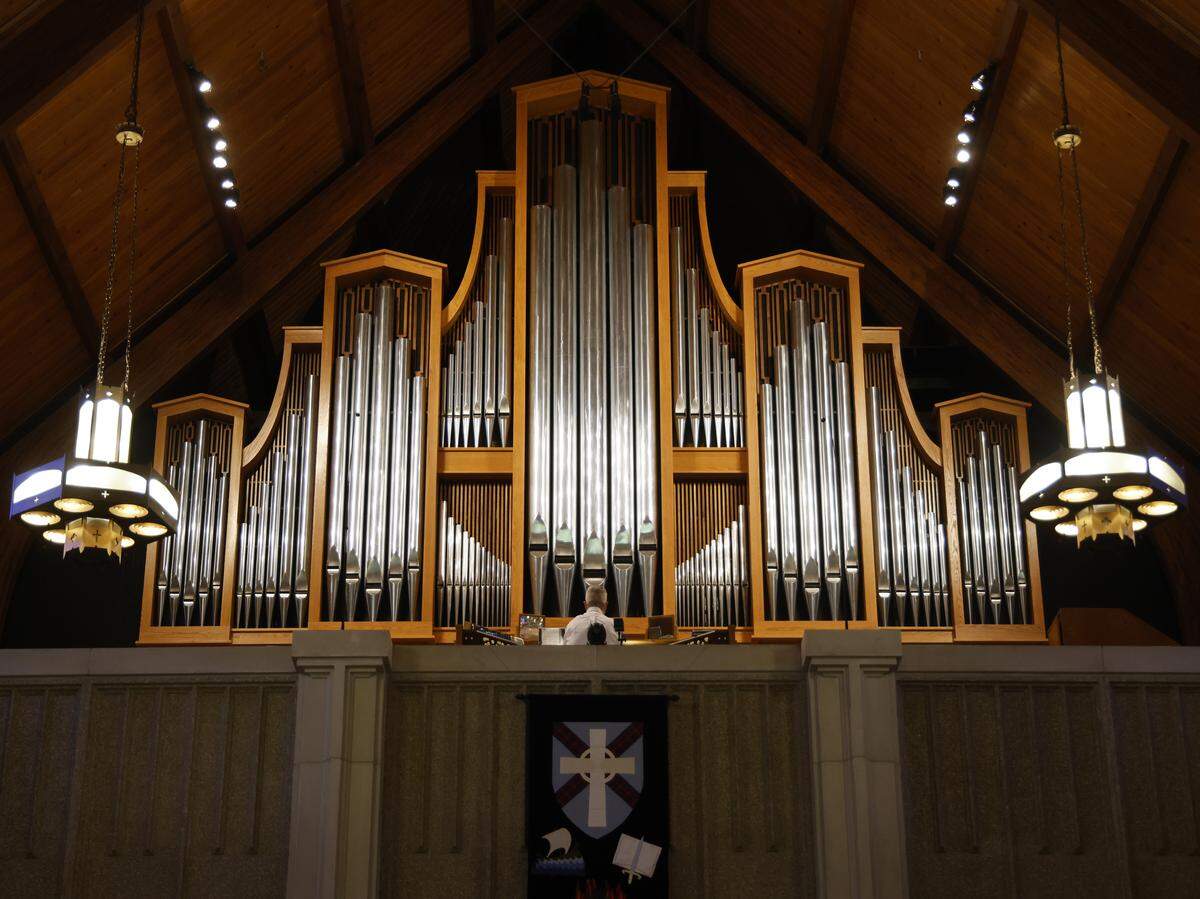
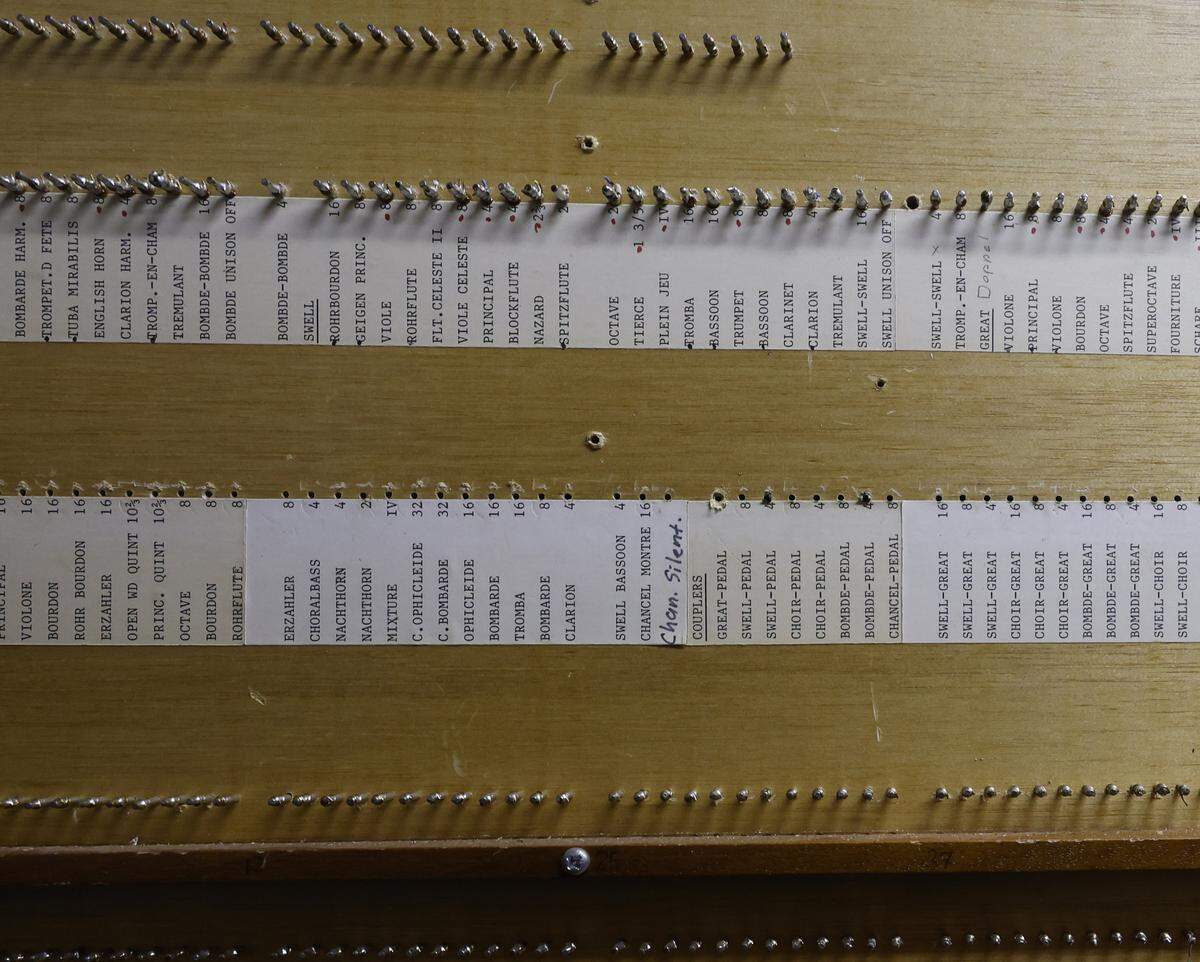
The St. Stephen organ has 100 ranks, with each rank containing 61 pipes. The ranks mimic the sounds of other instruments, like the clarinet, the oboe and the trumpet. Smith controls the ranks with handles on the console called stops. He pulls one, and the organ sounds like a string quartet. He pulls another, and a trumpet fanfare calls worshippers to attention.
The saying “pull out all the stops”? It originated with organs. If Smith were to pull out all the stops and play a piece, it would very likely rattle the rafters and shake the foundation.
The history of organs in churches
Elizabeth Callender, the pastor at St. Stephen, said for centuries only the clergy in European Catholic churches sang and played instruments. Only after the Protestant Reformation did church worship begin to resemble what we see today, with parishioners joining their voices in song.
Early on, Callender said, reform churches adopted the organ as a way to encourage group singing. And there’s an interesting reason it has the effect of creating a sense of communion among people, added Smith.
“Because the organ has pipes, it’s the instrument closest to the human voice,” he said. “It literally has lungs, it literally breathes.”
Like humans, organs can also be temperamental. Smith said the pipes and inner workings expand and contract based on the temperature. Twice a year, the organ pipes at St. Stephen are tuned and routine maintenance is done.
The organ tradition at St. Stephen
The first organ was installed in the St. Stephen sanctuary in 1970. That instrument was too small for the enormous space, Smith said, and there was always the idea that a larger organ would one day replace it.
The console was refurbished in 1993, then replaced during this current renovation. At the same time, an additional 23 ranks comprising 1,403 pipes were added. Included is a set of pipes at the front of the sanctuary, behind the pulpit, called the Chancel Swell, which is used when the organ is played for smaller gatherings.
Much of the renovation work was funded by a $100,000 gift from Peter Mark Scott’s estate. The rest was underwritten by donors, with some of the work done by volunteers.
The Sept. 14 dedication concert with Nathan Laube begins at 7 p.m. and is open to all, with a reception immediately following. Tickets are not required.
The concert will include the first public performance of a piece by composer George Baker that was commissioned for the dedication.
St. Stephen hosts visiting organists for concerts like this throughout the year, and Smith is excited to have opportunities outside of Sunday mornings to showcase the new Peter Mark Scott Sanctuary Organ. Just like the dedication concert, these events are open to the public. In fact, nothing would make Smith happier than to see newcomers joining St. Stephen regulars in the pews to hear the gorgeous music being breathed into the vaulted sanctuary.
“It’s an instrument not just for St. Stephen but for the city of Fort Worth and the community,” he said.
This story was originally published September 11, 2025 at 4:04 PM.