Is a concrete plant OK in this area of Fort Worth? Here’s what people are saying
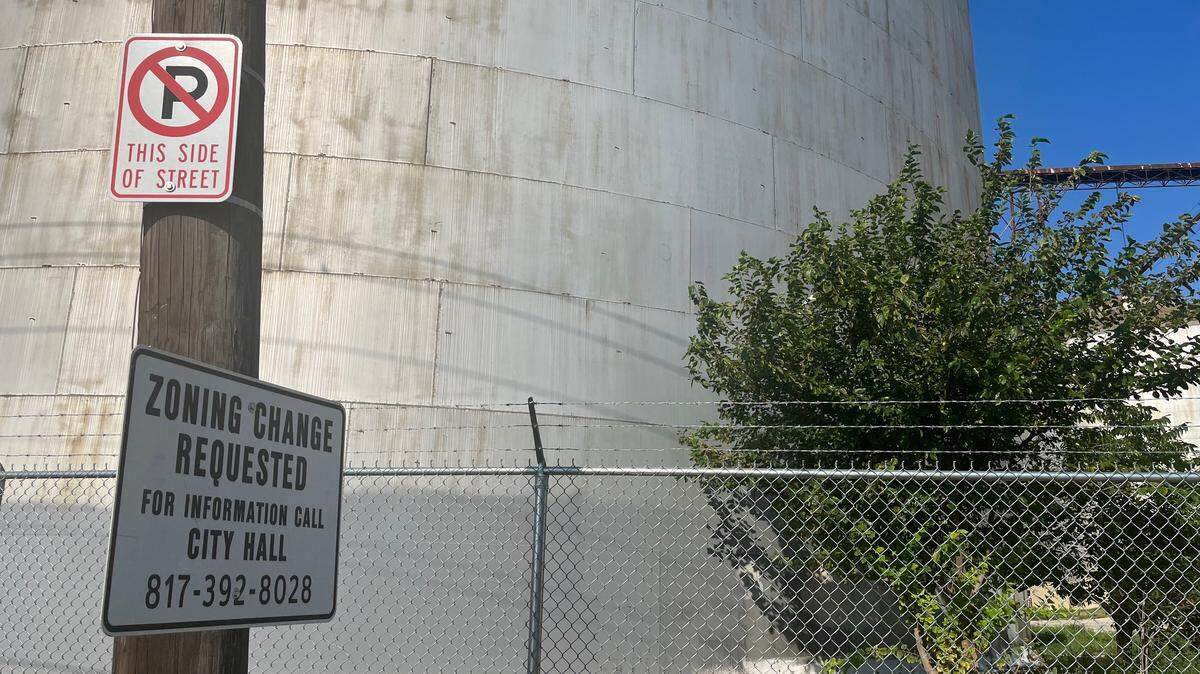
A permit request for a concrete batch facility in south Fort Worth is stirring opposition and concern about health and safety from area residents and organizations.
A company named 2000 Main Street LLC has submitted a permit request to use a concrete batch facility on an 8-acre site at 2000 S. Main St., east of Hemphill Street. The site is zoned as medium industrial and does not allow for a concrete batch plant.
The property will use an electrically operated system that will be enclosed in a steel silo, according to the permit request. It will have a system to remove as much particulate matter, like dust, as possible, from emissions, the request said.
During a zoning commission meeting on Aug. 13, Grant Palmer, co-owner of 2000 Main Street LLC, said the company bought the property in July 2024. The company has since placed a fence around the property, cleaned up trash and debris, helped reduce crime on the property by working with police, and created a mini task force to work with neighborhoods to create a safer environment, Palmer said.
Angela Blochowicz is the president of Jennings-May St. Louis Neighborhood Association. She was not in support of the permit because it would allow a concrete batch facility close to homes, JPS Health Network, and schools. She also pointed to the company’s lack of communication with the rest of the neighborhoods in the area and mentioned there were 58 letters opposing the permit sent to the zoning commission.
Blochowicz said accepting the permit request will turn the southside into an “industrial sacrifice zone” with the health risks from hazardous dust consuming the neighborhood.
“We cannot afford another environmental wound in our neighborhood,” Blochowicz said, crying as she mentioned her child who has asthma. “Please protect our air, our health, and our future by denying this change of use permit.”
Razaq Badamosi, vice president and chief quality officer at JPS Health Network, attended the zoning commission meeting in opposition to the permit request. The hospital was not contacted about the permit request, he said. The top reason people come to JPS’ Urgent Care Center is respiratory illness, he said, and if vulnerable people go into a polluted area, it will only exacerbate their problems.
“This will really place an unusual burden on the hospital system to be able to handle an extra amount of dust and really cause a lot of system failure,” Badamosi said.
Company contacted environmental groups, neighborhood association
B.J. Johnson, co-owner of 2000 Main Street LLC, said the company was told to contact the Greater Fort Worth Sierra Club and the Fairmount Neighborhood Association by Councilwomen Elizabeth Beck. They also reached out to the environmental activist group Downwinders at Risk. Johnson said the company showed representatives of Downwinders at Risk and the Sierra Club around their property and explained their process.
The property straddles city council District 9, represented by Beck, and District 11, represented by Councilwomen Jeanette Martinez.
The Zoning Commission voted unanimously against the permit request.
After questions were raised about the company not contacting enough groups in the community, the company held a meeting with the Hemphill Corridor Development Collaborative on Aug. 28 at Victory Forest Community Center. The collaborative is a community group managing the redevelopment in the neighborhoods along Hemphill Street.
Vicki Bargas, vice president of the Worth Heights Neighborhood Association, said at the meeting that these types of businesses don’t belong in an urban community.
“There are too many people, it’s too dense, and I hear what you’re saying that you want to work with the community, but you have a bottom line you have to meet, and I think that’s paramount to most businesses,” Bargas said.
Johnson said the business goes where the zoning allows but its goal is to work with the neighborhood as best as possible. Johnson and Palmer will meet Saturday, Sept 6, with the Jennings-May St. Louis Neighborhood Association and other community members to explore ways to work with the community while complying with city regulations, Johnson said.
“We’re trying to come in and be a friend to the neighborhood,” Johnson said during the Hemphill meeting. “We’re not trying to be an adversary or an enemy. We also want to commit to the neighborhood.”
After the meeting, the Hemphill Corridor organization voted unanimously to send a letter of non-support for the permit.
The case is scheduled to be heard at the city council on Sept. 16.