For years, TCU’s ‘Ranch Week’ was hokey fun. Then the ranch queen got kidnapped
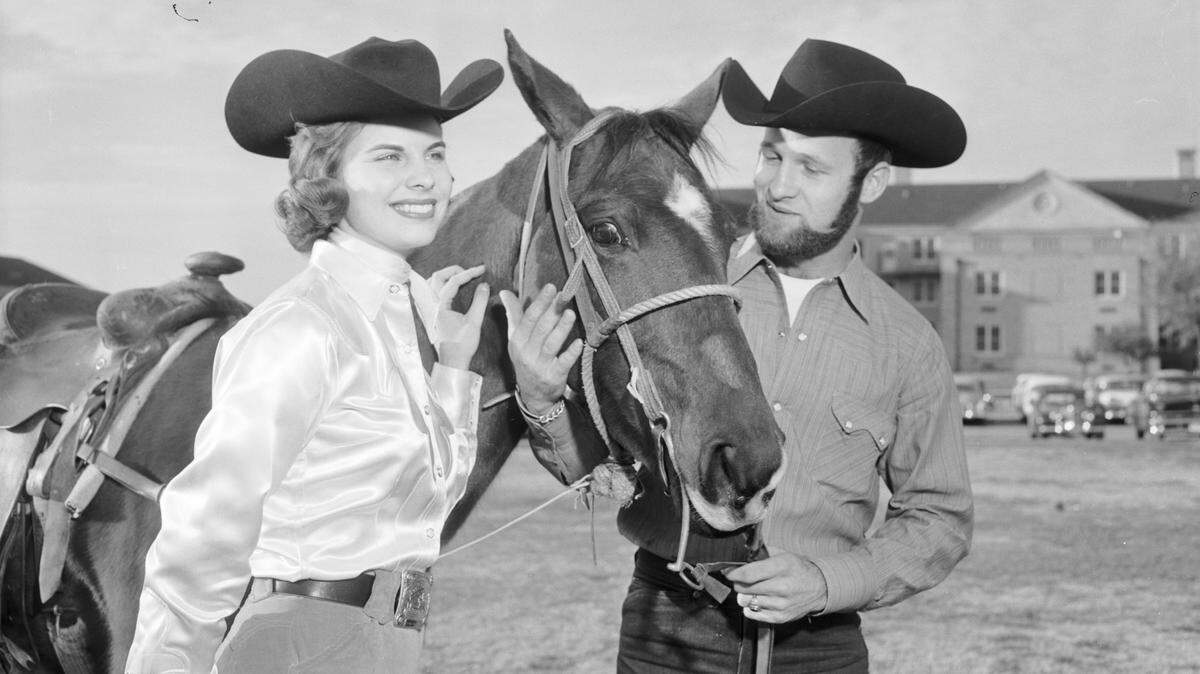
How many TCU students today would jump at the chance to wrestle greased pigs or outspit their classmates with a mouth full of tobacco? How about riding bulls, racing on donkeys or wearing chaps to class?
In the 1940s and ‘50s, TCU students did all that and more during their annual “Ranch Week,” a wildly popular annual tradition to let off steam after January exams.
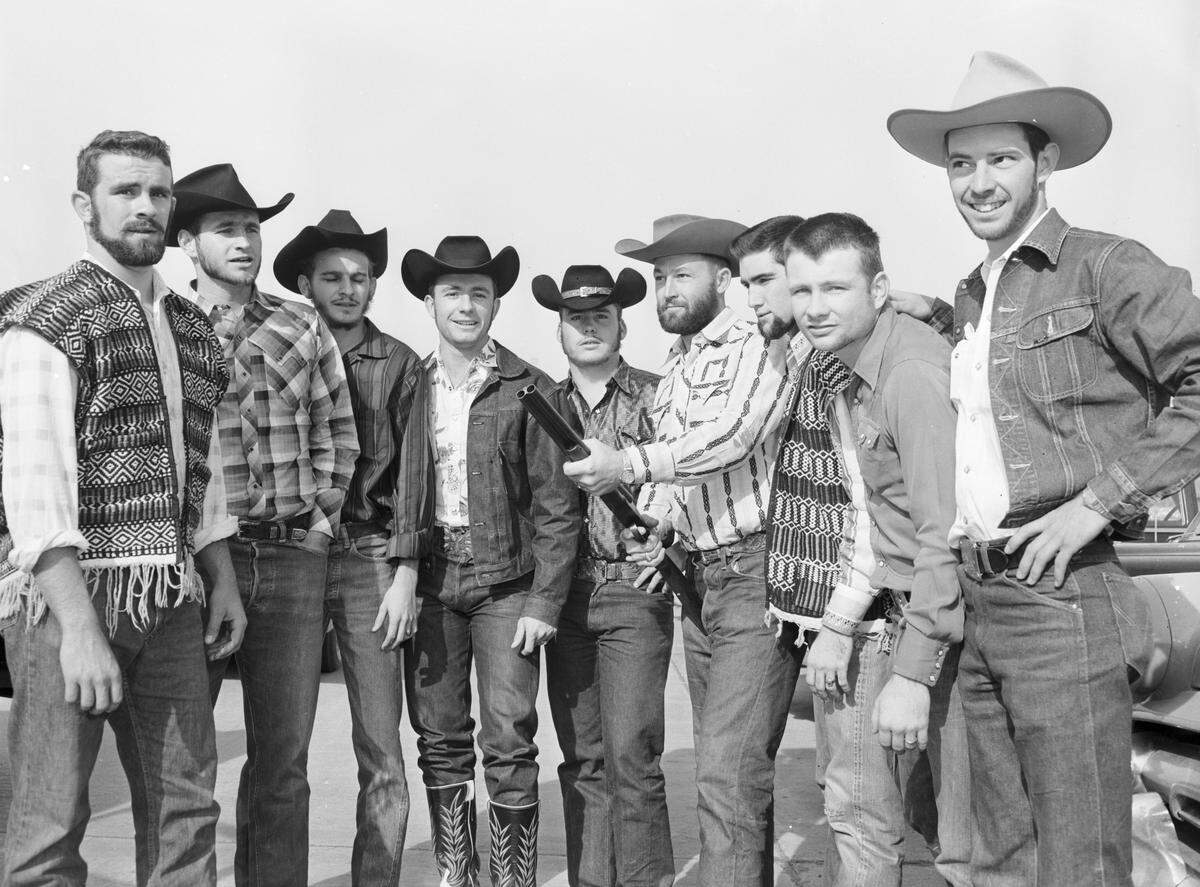
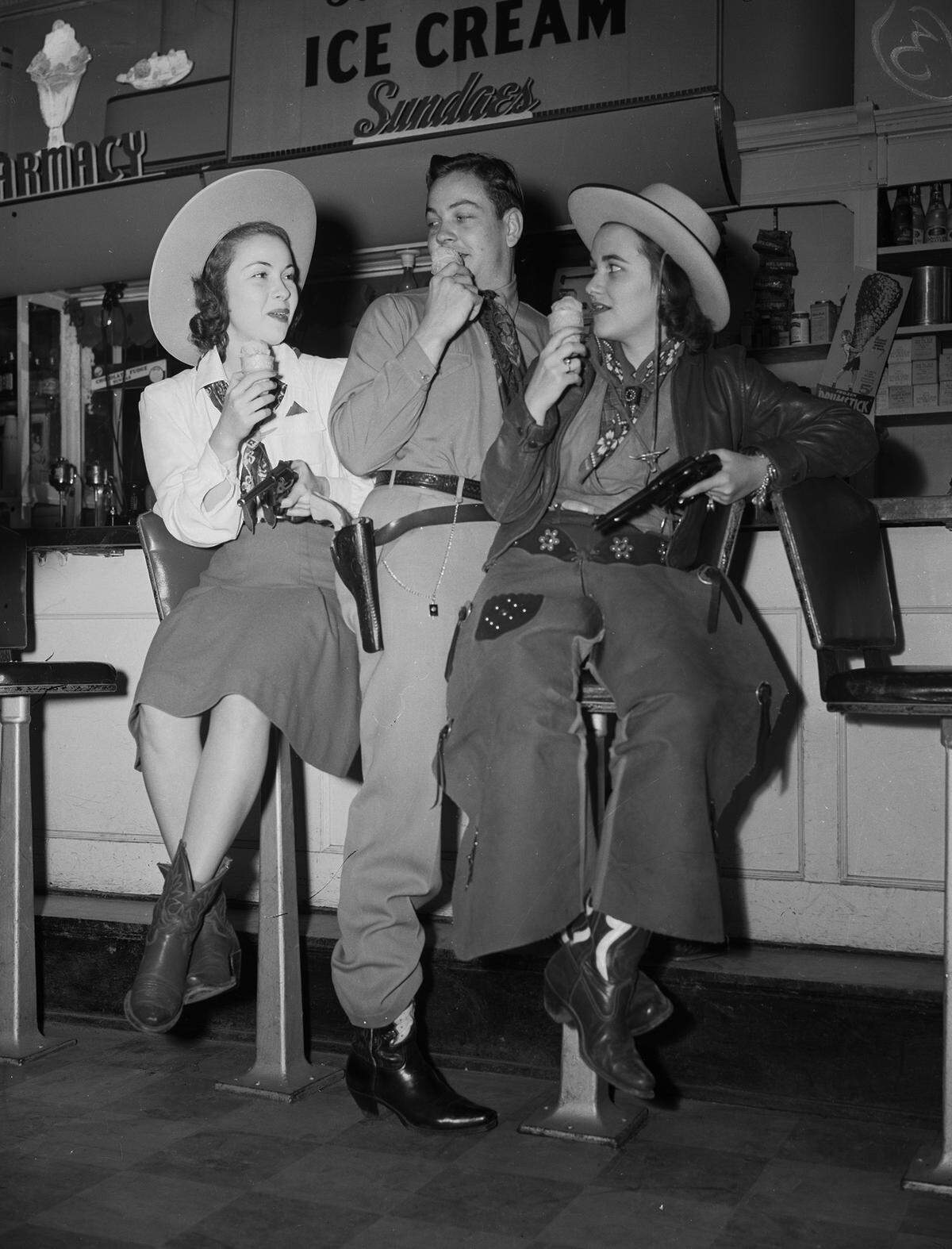
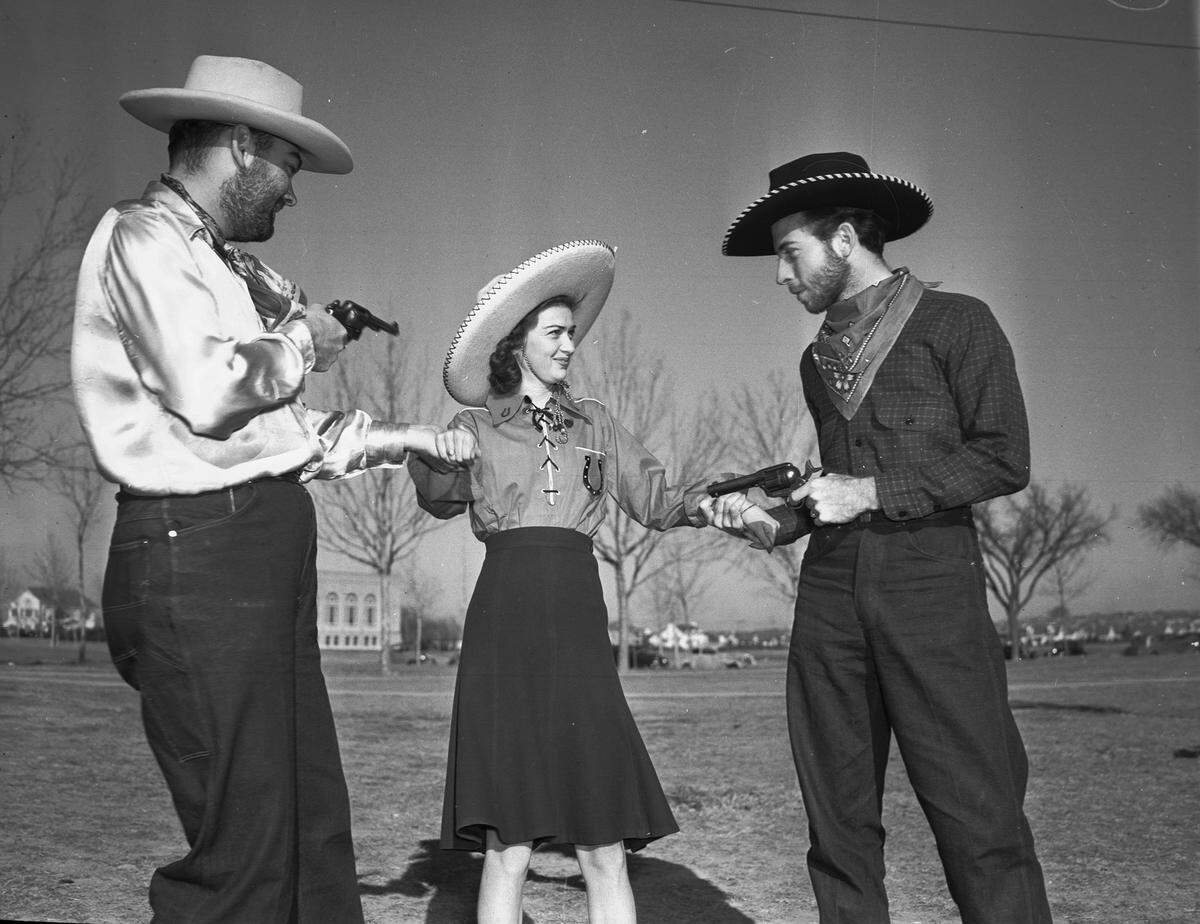
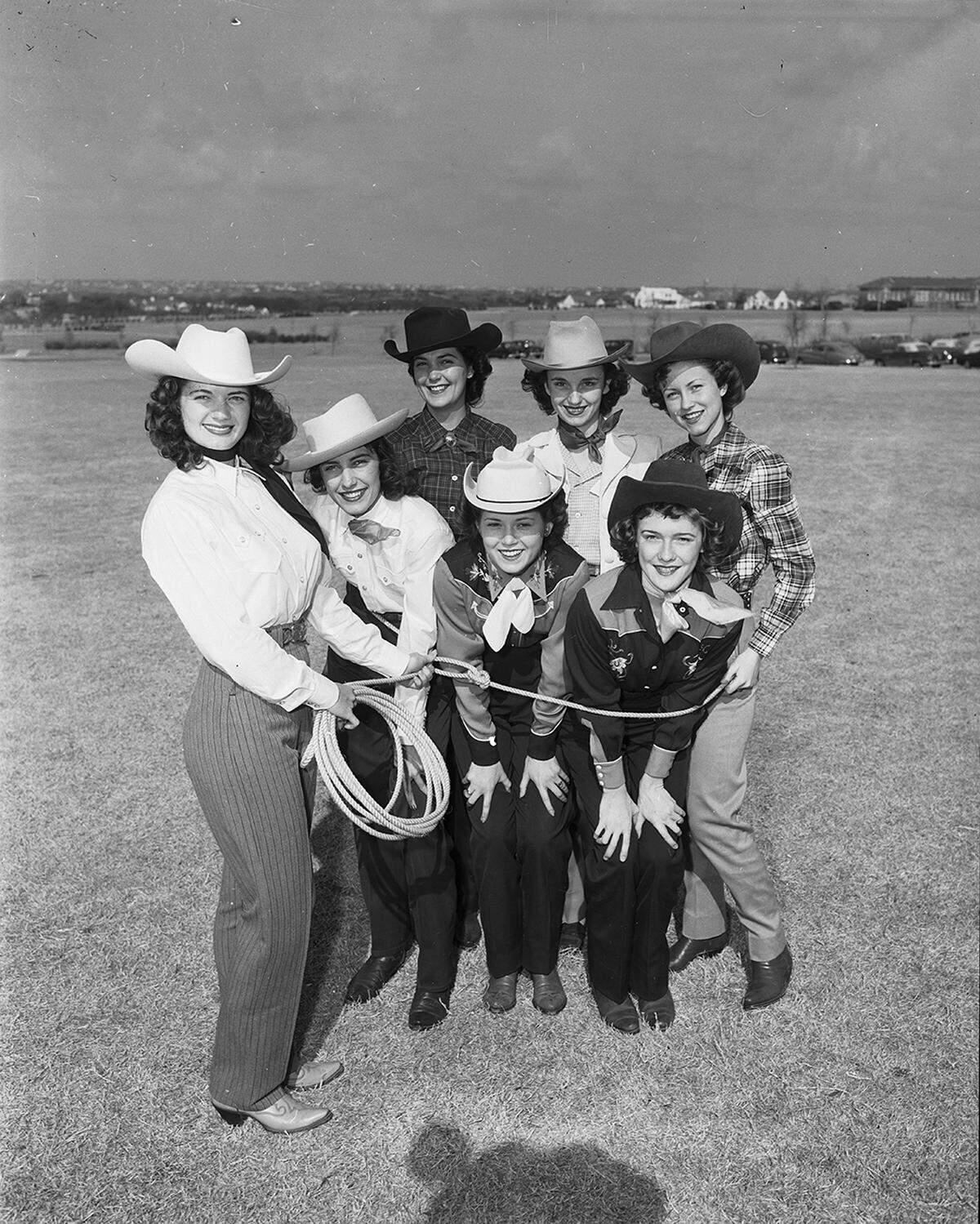
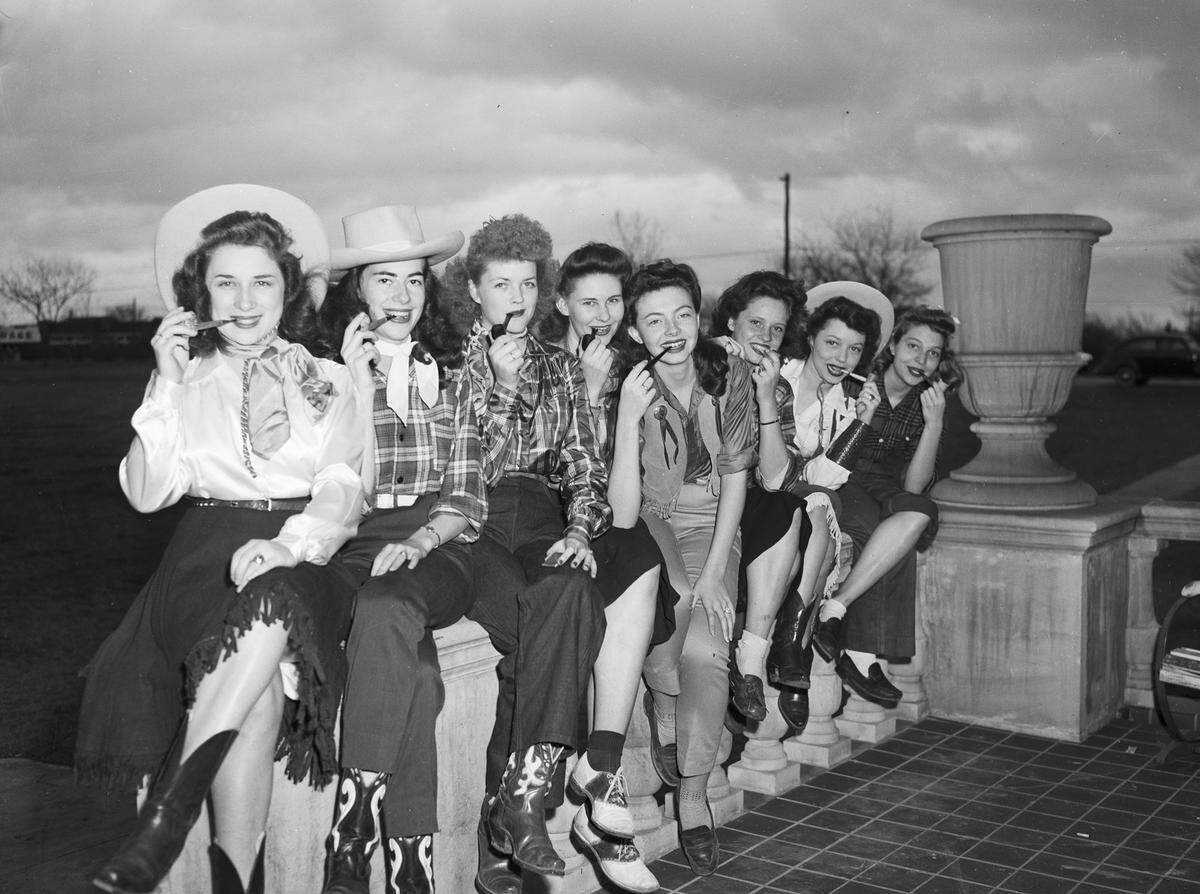
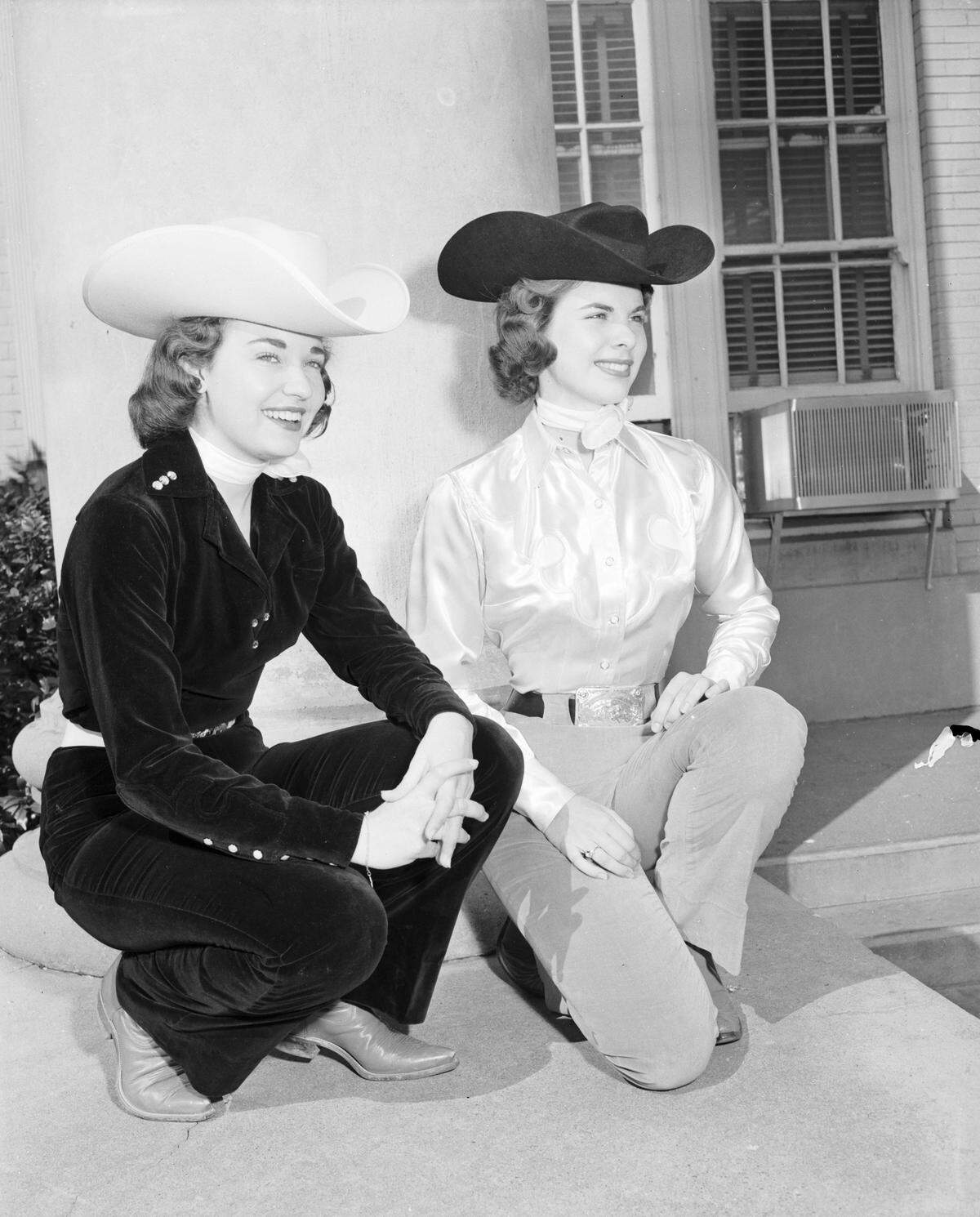
Nearly everyone (including faculty) participated in nostalgic cowboy contests, square dances, Old West roleplaying and various hijinks. Everyone dressed up in Western attire (or was “jailed” in a giant animal cage on campus).
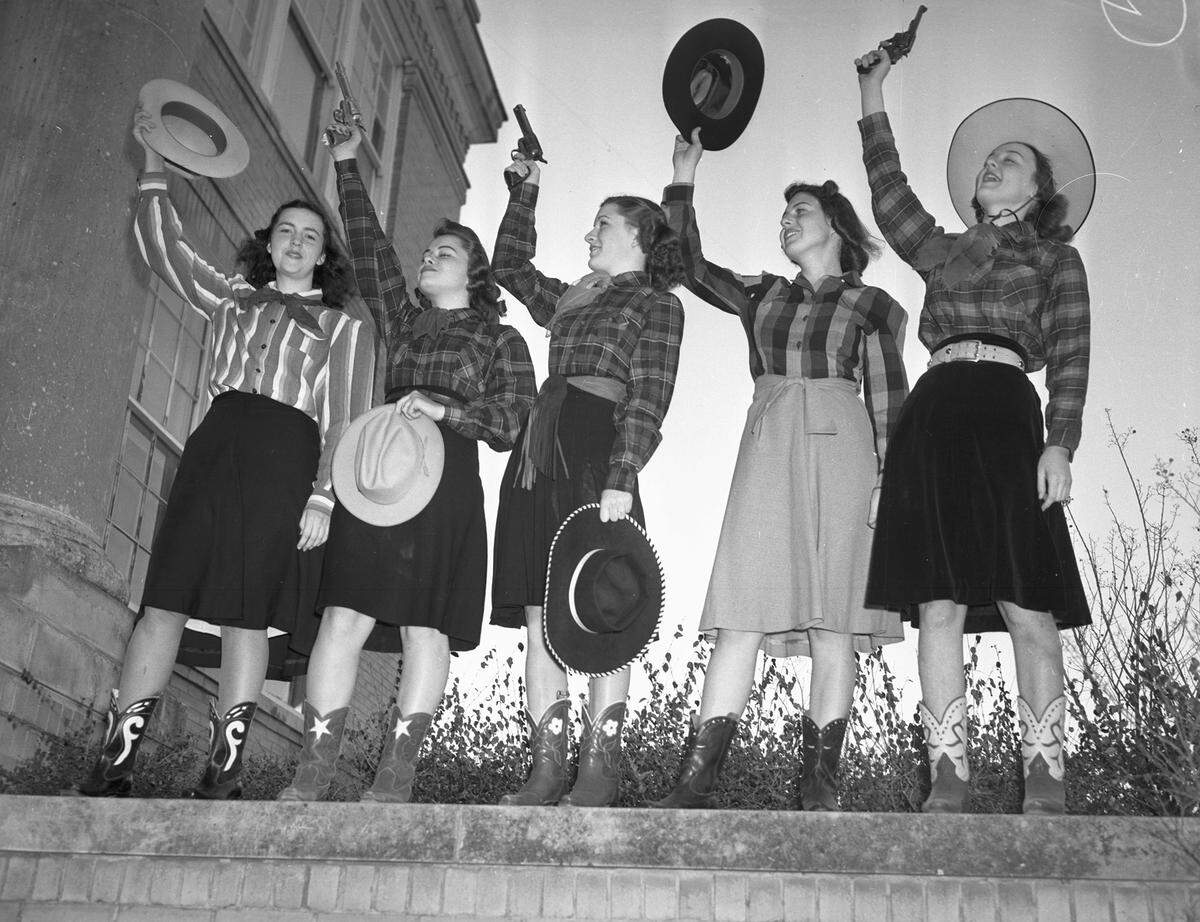
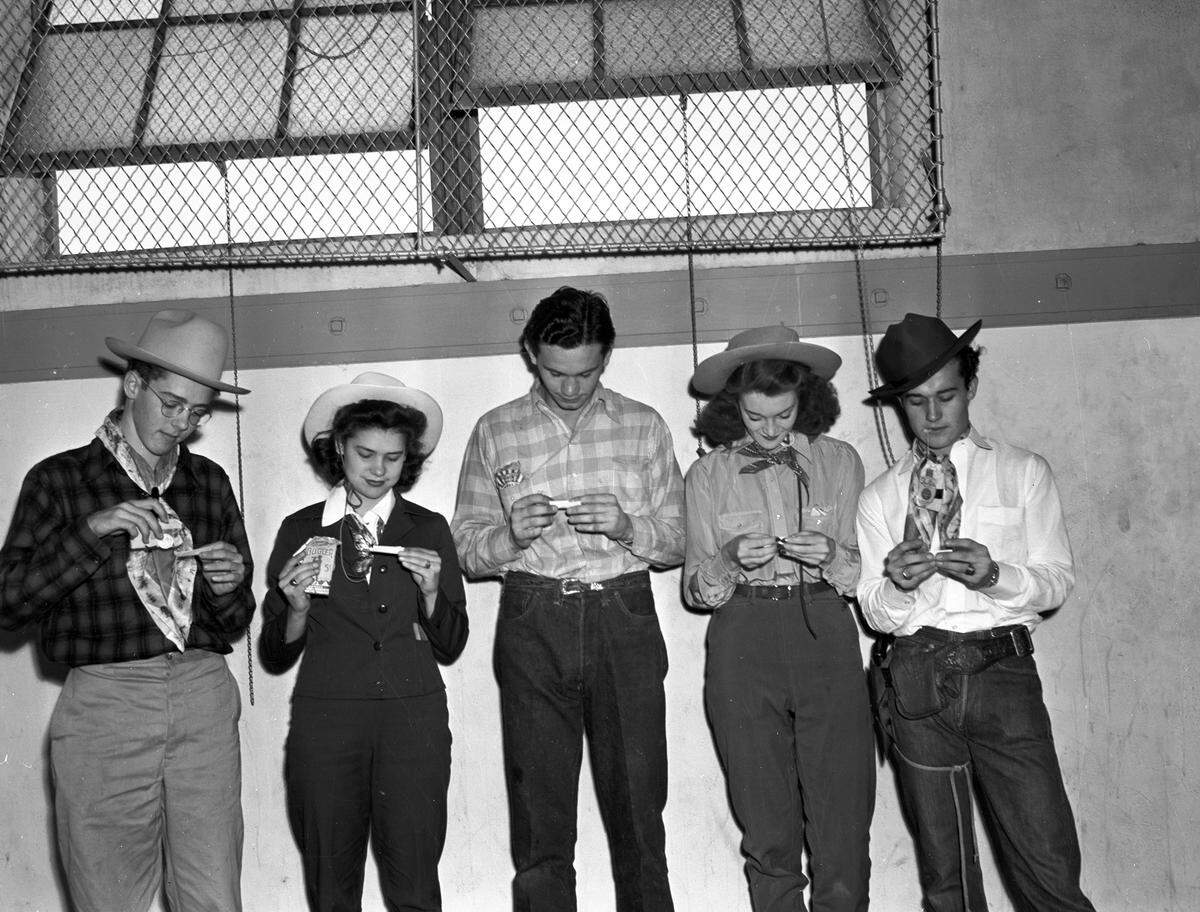
Every detail about Ranch Week appeared in the Star-Telegram, including the attributes of each year’s elected “ranch queen.” It was one of the most eagerly anticipated events of spring semester.
Until it wasn’t.
TCU abruptly abolished Ranch Week in 1958 after a series of embarrassments involving prankster thefts, a brazen kidnapping and a Fort Worth nightclub that tried to capitalize on Ranch Week by luring away boot-wearing Frogs with its “exotic” dancers.
The university’s unilateral decision to end Ranch Week after 18 years infuriated students, but the topic soon became “taboo” at TCU. Memories faded over time. Nearly 70 years later, Ranch Week traditions are all but forgotten.
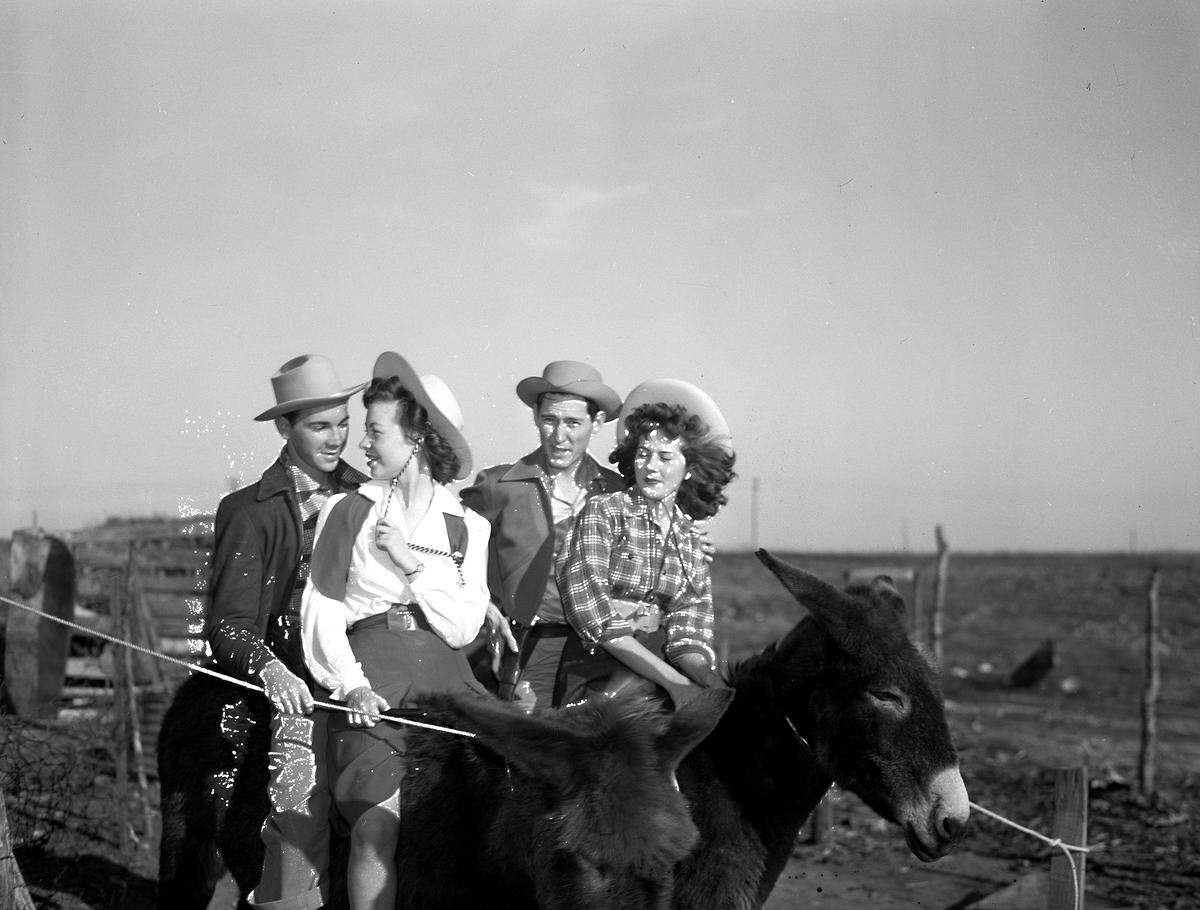
‘Two days of wild west and hoopee fun’
In 1940, a TCU business school senior named Erle Powell had a great idea.
Fort Worth was where the West begins, as they say. Why shouldn’t TCU live up to the slogan?
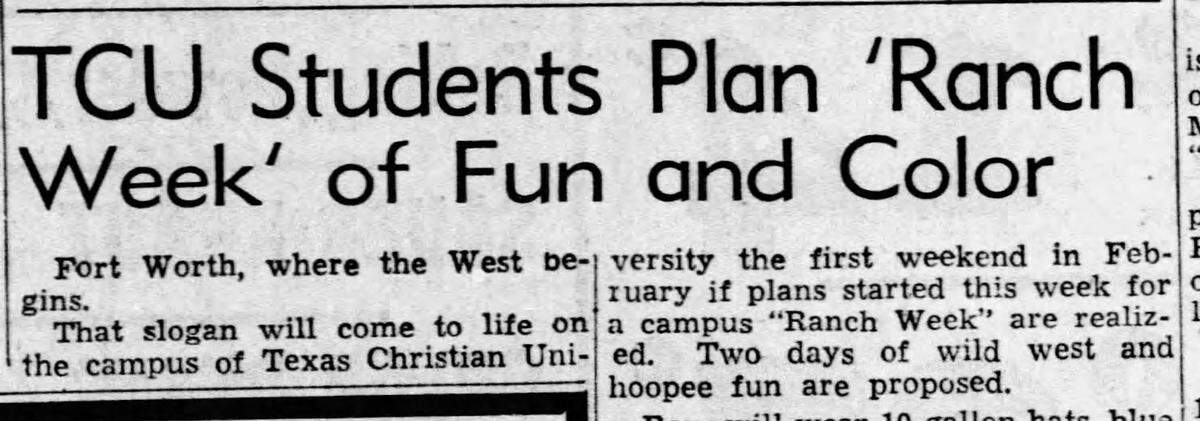
Powell, who led the TCU Chamber of Commerce student organization, proposed a two-day event for the university’s roughly 2,000 students to unwind and recover after exams.
“Two days of wild west and hoopee fun are proposed,” the Star-Telegram reported on Jan. 5, 1940. “Boys will wear 10-gallon hats, blue jeans, chaps, cowboy boots and spurs. Co-eds will wear calico and gingham creations and old-fashioned bonnets.”
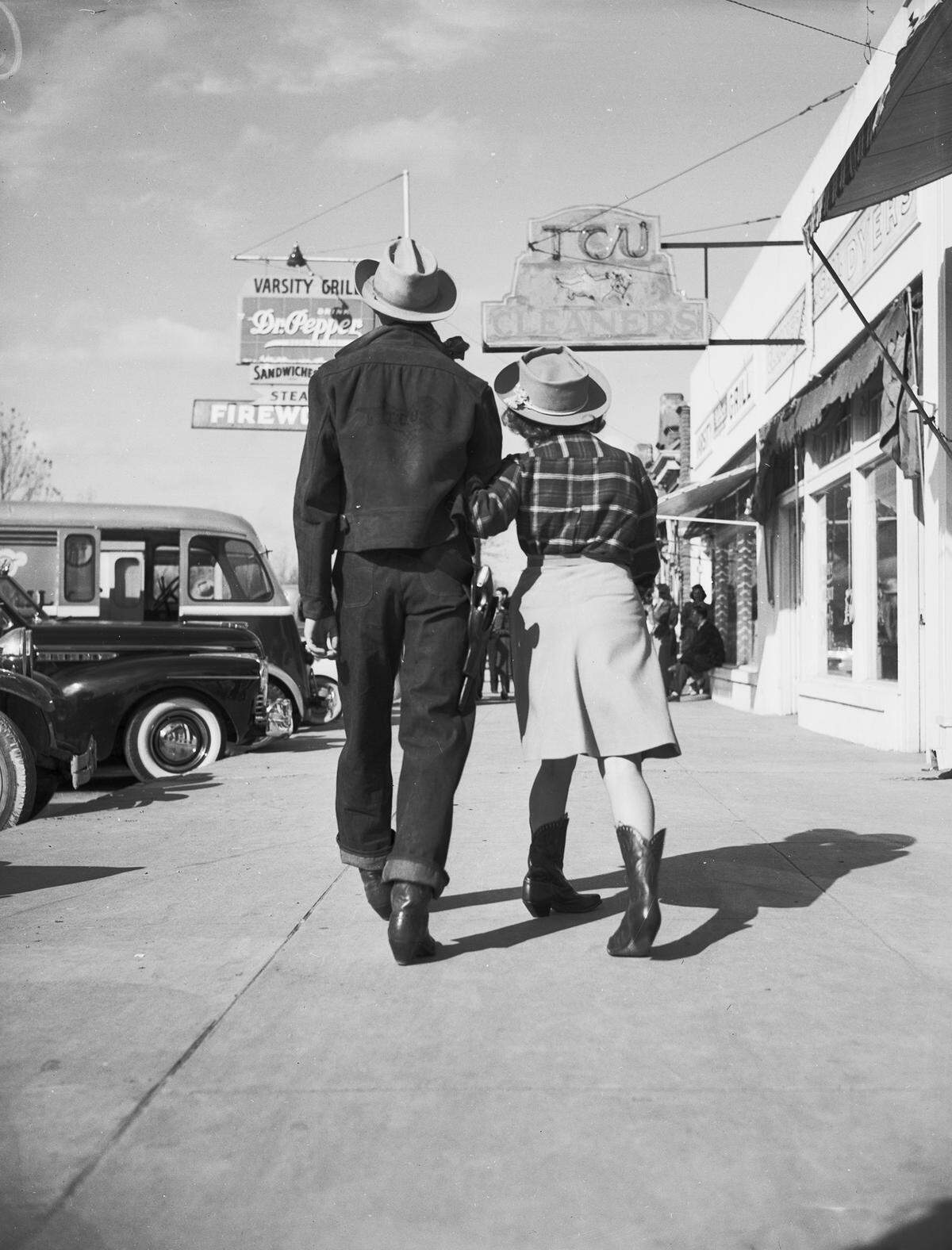
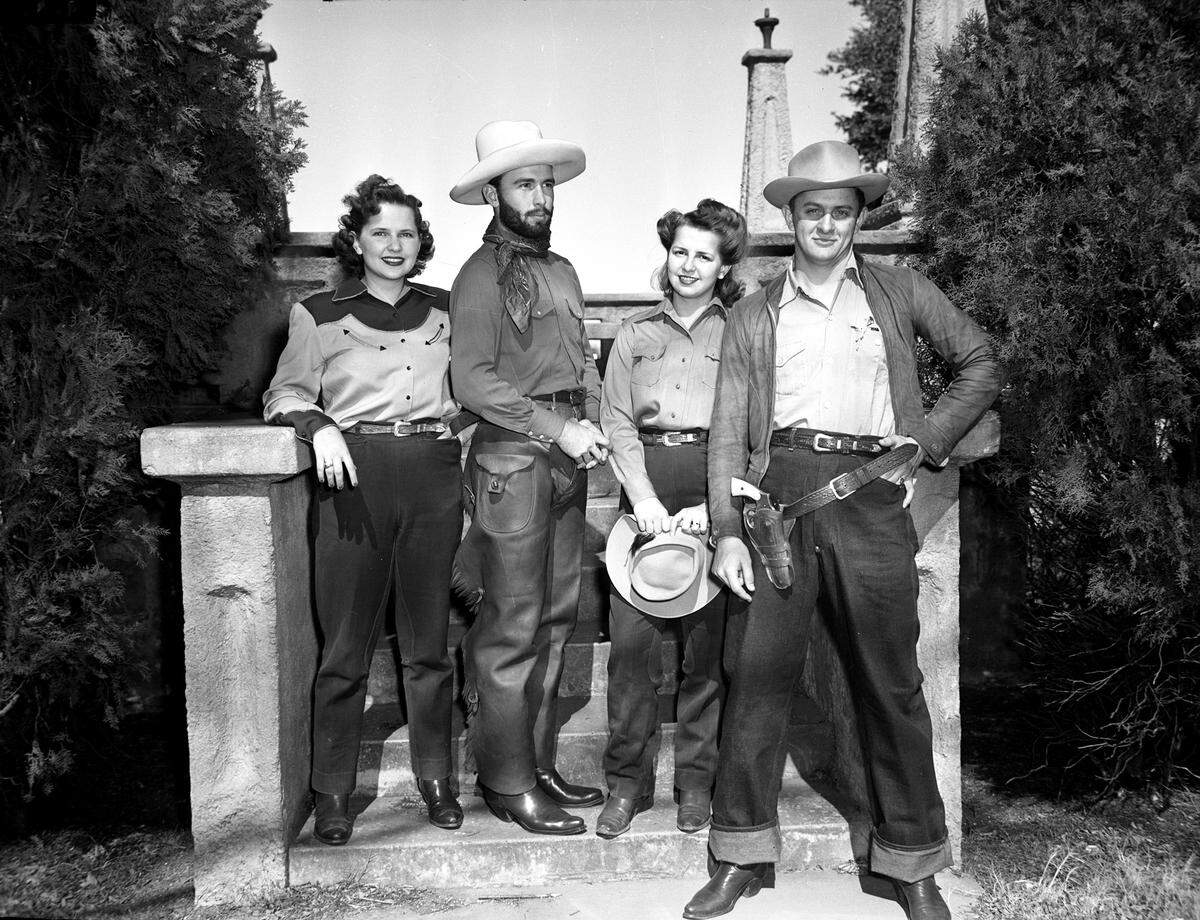
For many students at the time, they wouldn’t be roleplaying. They came from real farms, and they knew a thing or two about ranching.
Despite rain storms Feb. 2 and 3, it was a wild success. “What is a rain drop in the face after a deluge of midyear examinations?” the Star-Telegram opined. Students voted Ranch Week’s square dancing, horseshoe pitching and mock “horse stealing” tribunals as one of the best campus events of the year.
The annual tradition only got bigger from there.
‘Wild cow milking’ and girls’ goat tying
The Tarrant County sheriff would “deputize” students to rule the campus for three days of Ranch Week. Violators of the dress code — including instructors — faced a frontier-style trial by a “Judge Roy Bean” of West Texas lore.
There were student-produced musicals; a parade of horses, wagons, buggies and surries from campus to downtown; and a rodeo with student contestants at Ernest Allen ranch, near what’s now Ridglea Country Club’s south course. A real wagon train would haul students from campus to the venue.
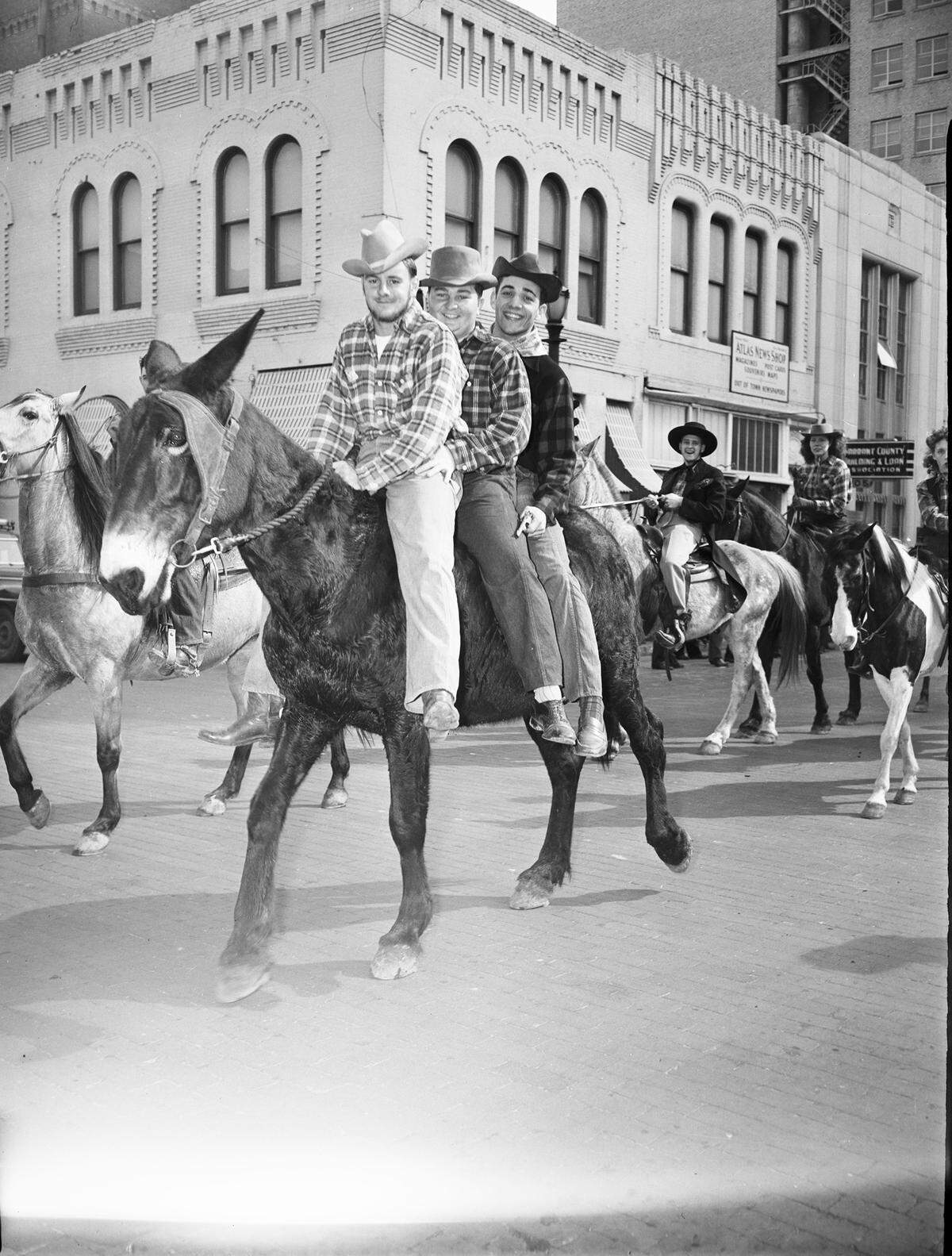
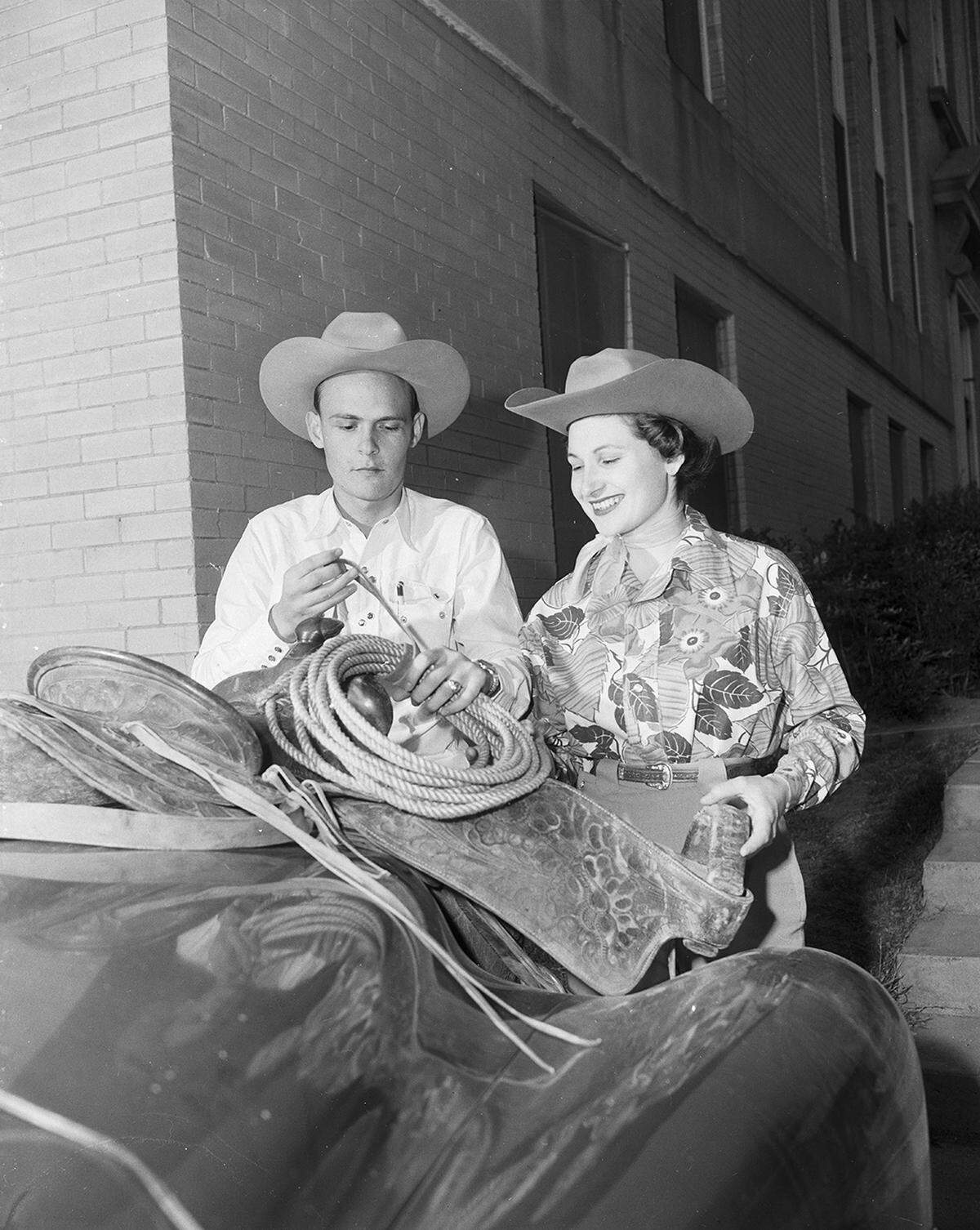
At the rodeo, student did bareback bronc and bull riding, calf roping, “wild cow milking” and girls’ goat tying. In 1942, a greased pig contest opened the afternoon’s fun, followed by turtle and donkey races.
Other “traditional” contests held on the campus’ quadrangle included tobacco spitting, cigarette rolling, cigar smoking, pie eating, pig chasing and hog calling. Boys tried to win one of several categories in a whisker growing contest. A TCU field house hosted barn dances, and a gym turned into a saloon.
It seemed as if the fun would never end.
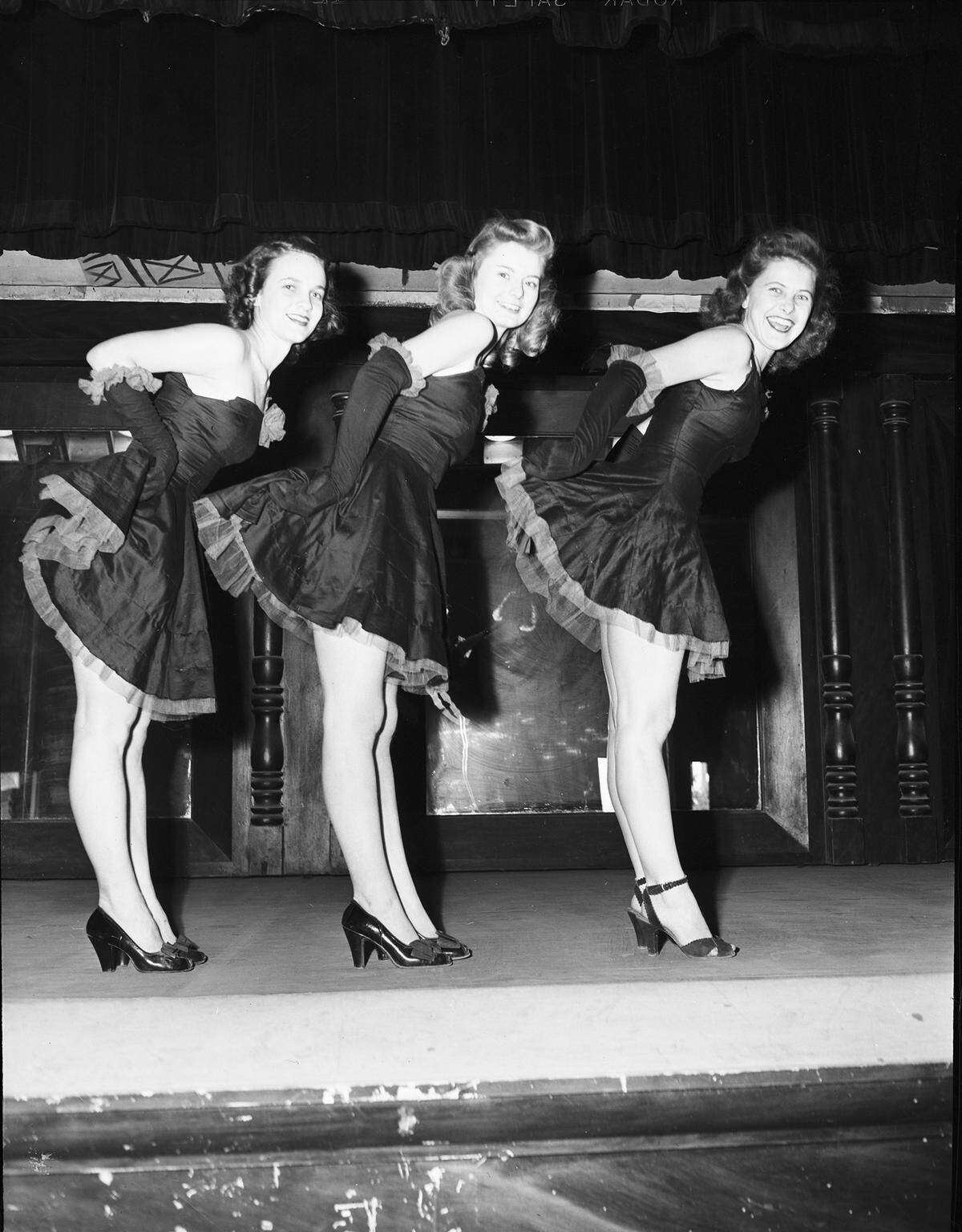
‘I was scared at first when they put me in the car’
In March 1957, as the sun arose on the second day of Ranch Week, students discovered a shocking crime: During the night, thieves had stolen the 700-pound “jail” from campus. The 8-by-12 cage, on loan from the Fort Worth Zoo, was essential for the mock trials of students or faculty “arrested” for not wearing Western garb.
Student sleuths searched for clues. A large dolly used to carry trash also was missing. Tracks led from the tree where the cage had been padlocked to University Drive, where a getaway truck no doubt had awaited in the night.
Two weeks later, anonymous tips to the Skiff student newspaper led to the discovery of the cage in a pasture east of Kennedale.
That was the beginning of the end.
The following year, in 1958, the contest to elect Ranch Week’s foreman and ranch queen was highly competitive. Kay Vanderpool, a sophomore from Fort Worth, clinched the crown, while senior Herman Young of Woodville was voted foreman. Little did they know, their reigns would be the last.
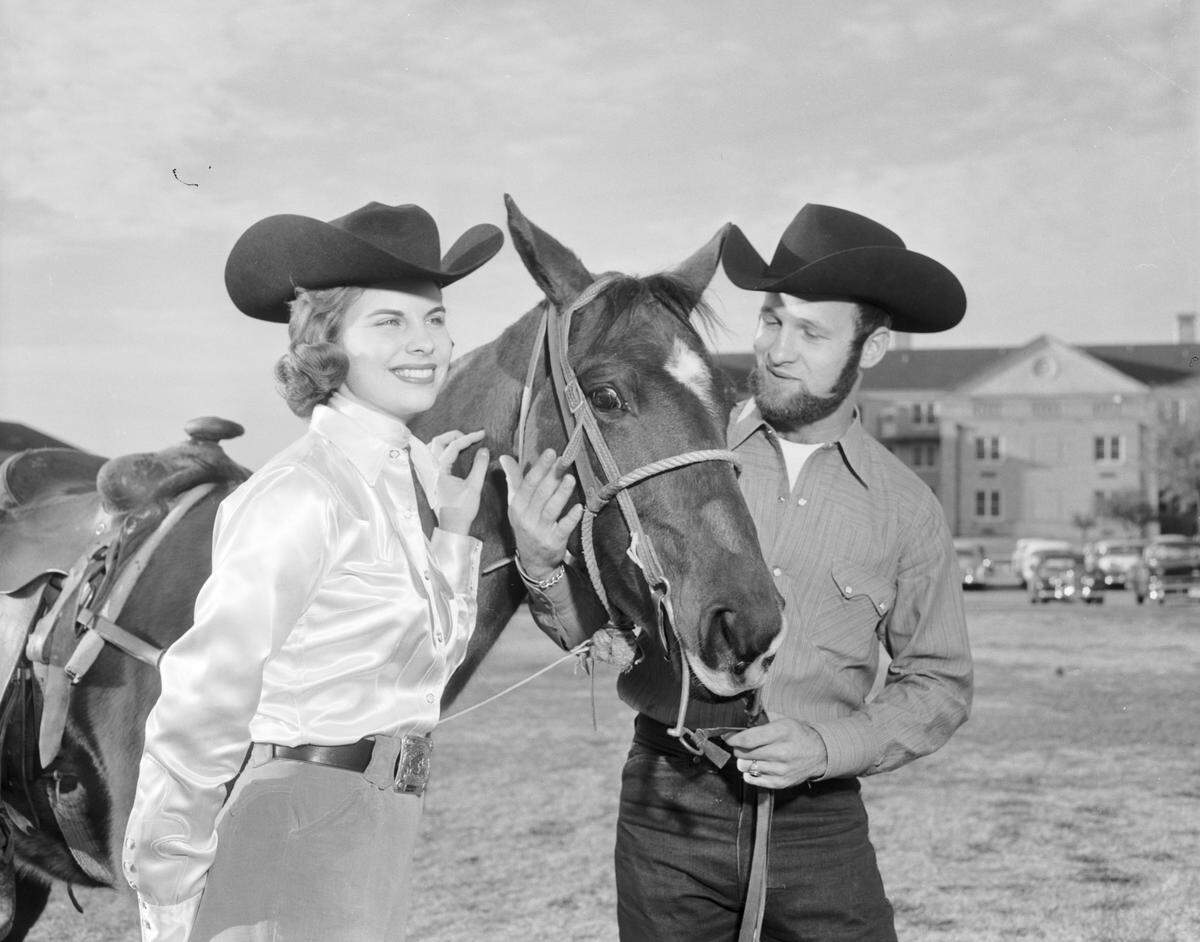
Kickoff events started Thursday at 7 p.m. with a formal presentation of the queen and foreman at Ed Landreth Auditorium, followed by a musical variety show and square dance.
Just as Vanderpool was walking on stage, two men grabbed her. She was blindfolded and carried to a car, then driven around on a rough and bumpy ride for an hour. They dropped her unharmed on West Lancaster Avenue near Farrington Field. She walked across the street to the KXOL radio station, where workers drove her back to TCU, and she belatedly took the stage.
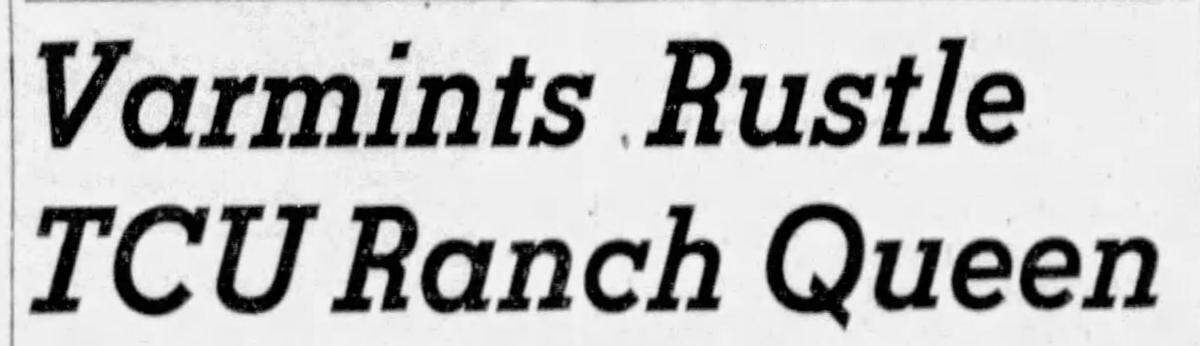
“I was scared at first when they put me in the car,” she told the Star-Telegram. “I think there were four or five boys. We rode around — I don’t know where — for an hour and it seemed like it was over a gravel road.”
The next morning around 8 a.m., thieves once again made off with the “jail” cage from near Clark Hall. “Students swooped out of the building and overpowered two custodians,” the Star-Telegram reported. One of the workers was hurt.
“There may be disciplinary action against two students,” a TCU official said.
‘Undesirable elements’
Administrators had already been alarmed that “too many students were spending too much time in area honky tonks,” the Star-Telegram reported.
Coincidentally, on the day the cage was stolen, a nightclub’s ad appeared in the newspaper promoting an unsanctioned “TCU Ranch Week Dance” with exotic dancers. The Skyliner club on Jacksboro Highway (where Whataburger is today) described one of its feature acts as having a “symphony of curves.”
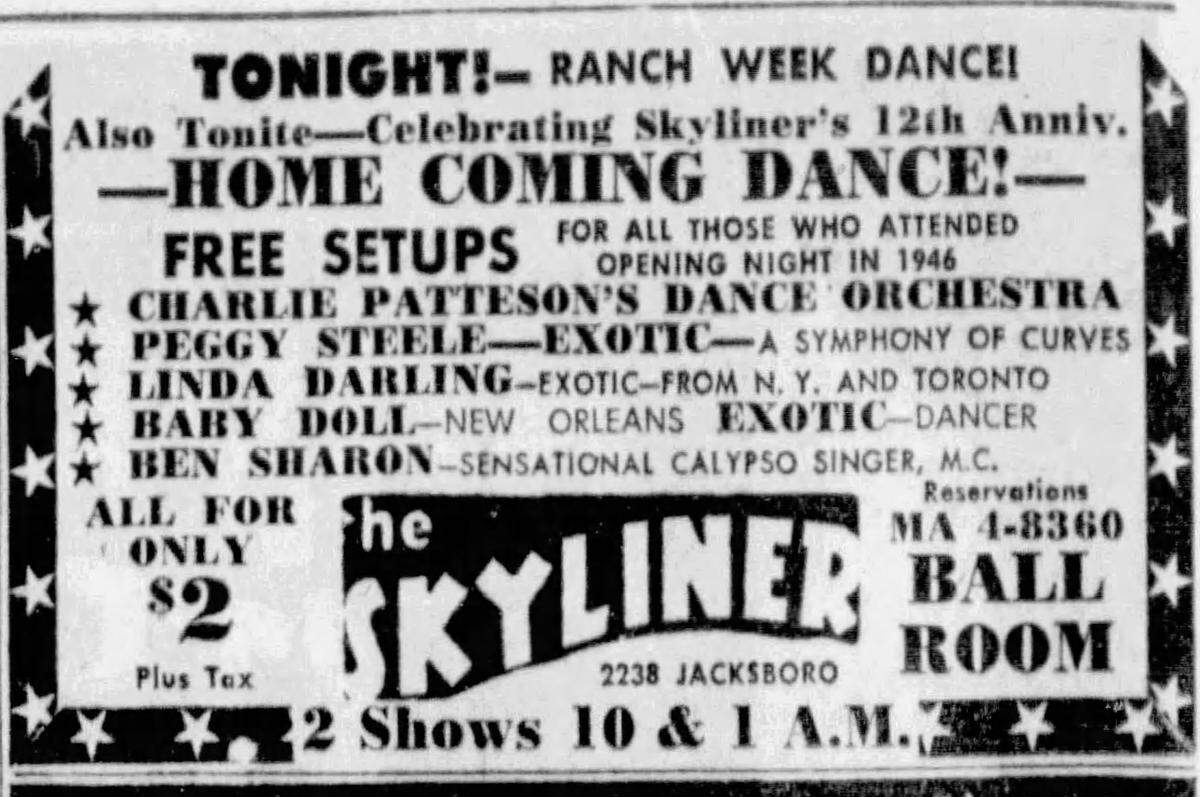
TCU’s leaders were not amused.
Within weeks, administrators announced a decision to abolished Ranch Week, noting that “undesirable elements” in the annual observance had been on the rise, though no specifics were cited. The main reason for pulling the plug, TCU’s dean of students explained, was that Ranch Week “no longer fills a real social need” on the growing campus, like it had back in the early 1940s.
Students were outraged. Someone hung a sign of protest at the student center, but nothing changed.
.jpg "Fort_Worth_Star_Telegram_1958_05_01_1 (1).jpg")
For years after that, TCU alums who had served as Ranch Week foremen or queen would proudly include it on resumes, in professional biographies or when running for office. Over time, any fleeting mentions of Ranch Week were more likely to appear in obituaries.
And with that, the tradition has slowly ridden into the sunset.
This story was originally published August 26, 2025 at 12:37 PM.