An asthma attack killed their son. They want to protect kids from the same fate
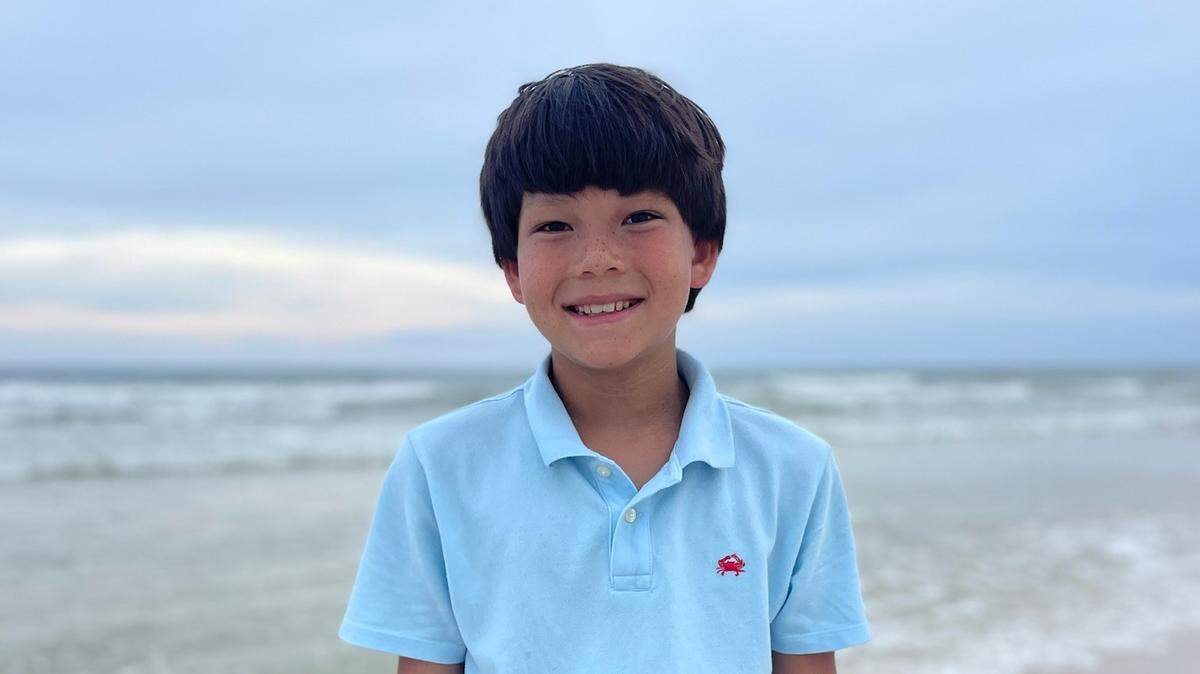
Maybe it was the grass on the lacrosse field, or maybe it was the exercise itself.
Whatever the trigger, the muscles around Nelson Ku’s airways tightened, making it hard for him to breathe. The 11-year-old was suffering an asthma attack, which was cutting off his supply of oxygen.
The details of what happened that day aren’t totally clear. Nelson’s family has only heard about the attack secondhand.
But they do know their son was rushed from lacrosse practice to the nurse’s office, where he passed out, and CPR was administered. But help came too late for their son.
Nelson died in February 2024.
Now, his family is sharing his story in the hopes that no other families suffer their loss.
“There’s no reason a child should die from asthma with the technology and the equipment we have these days,” Nelson’s father, Peter Ku, said.
Nelson was known among his friends and family as a jokester. After he died, his family learned that his friends called him “the flying squirrel” because of his habit of climbing to the top of the jungle gym and leaping down to the ground below, his mother, Beth Ku, said.
He also loved science, and would collect samples from the creek near his house to study under the microscope. Once, his mother said she found him in the kitchen with a banana wearing Nelson’s oxygen mask. The fruit, which was dotted with red food dye, had just had surgery, Nelson told his mom, and the oxygen mask was helping the banana recover.
Nelson was also a loving son, friend, and brother, his parents said. Classmates told his family that Nelson made a point to always sit with the new kids at All Saint’s Episcopal School in Fort Worth, or sit with students who didn’t have anyone else to eat lunch with.
“I don’t think there was a day I remember where he didn’t say, ‘I love you,’” Ku said.
More asthma training for schools
An estimated 6.9% of Tarrant County children and adults have asthma, according to data from the U.S. Centers for Disease Control and Prevention.
The Kus want all of those children to have access to care during an emergency. So, with Cook Children’s Health Care System, where Ku is a board member, they’ve created the Nelson Ku High Risk Asthma Program. Through the program, Cook Children’s is working to educate and train local school employees about how to identify and respond to an asthma attack. The goa is to train coaches, athletic trainers, and other staff about what to do during an emergency, said Dr. Karen Schultz, the medical director of pulmonary services at Cook Children’s.
“It’s really making sure people know how to use those correctly in order to prevent things like what happened to Nelson Ku in the future,” Schultz said.
Staff at several local private schools have been trained, and Schultz said the program will eventually expand to train local school districts.
Cook Children’s also launched the Nelson Ku High Risk Asthma Clinic to help care for children with severe asthma in May. At the clinic, which opened in May, children are evaluated by respiratory therapists and have their lung function tested, Schultz said.
Ultimately, the Kus and Cook Children’s hope these initiatives will protect children from future asthma attacks and allow kids with asthma to lead normal lives.
“We want this death to have a purpose,” Peter Ku said. “And I truly believe Nelson would want that too.”
This story was originally published August 27, 2025 at 12:04 PM.