
Trump signs ‘One Big Beautiful Bill’ into law. How much money will Texans save?
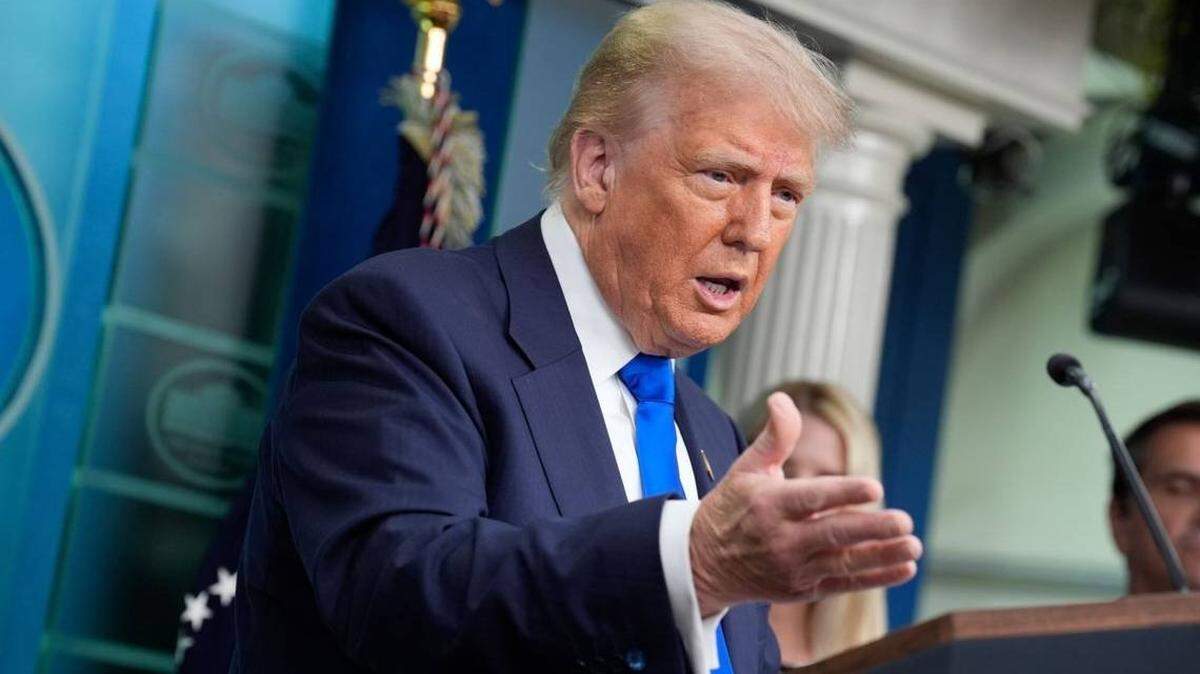
There’s a lot to unpack in President Donald Trump’s federal budget reconciliation bill — dubbed the One, Big, Beautiful Bill Act — which, after passing in the Senate earlier this week and the House on Thursday, was signed by the president in a Fourth of July ceremony at the White House.
A portion of the bill concerns tax relief, particularly for the middle class. If you or your household falls in one of those income brackets — earning $47,151 to $243,725 a year — how much of an impact will you see?
Tax cuts that went into effect under the Tax Cuts and Jobs Act of 2017 and were set to expire after this year will be extended under the One, Big, Beautiful Bill Act. The bill will also increase the standard deductions for taxpayers and raise the child tax credit slightly.
Dr. Sriram Villupuram, associate professor of finance and real estate at the University of Texas at Arlington, said the top 20% of earners — individuals and households with an annual income of around $150,000 or more — will save, on average, around $6,500 if the 2017 tax cuts are extended.
However, some outlets, including the BBC and CNBC, have quoted analysts who say the bill’s tax breaks will most benefit the wealthiest 1%.
Proposed increase in property tax deductions
Villupuram also said Texans could see additional savings from state and local tax deduction limits being raised.
Right now, taxpayers can deduct up to $10,000 in state and local taxes from their federal income tax bill. The One, Big, Beautiful Bill Act raises that to $40,000 for 2025. The amount will go up 1% each year in 2026, 2027, 2028 and 2029. There are additional limitations for people earning more than $500,000 a year.
This means Texas taxpayers can write off a larger portion of their sales tax and property tax expenditures.
What if your earnings include tips and overtime pay?
Villupuram said there are approximately 135,000 people employed in the leisure and hospitality industry in Fort Worth, Arlington and Grapevine, the three major tourism and entertainment destinations in this area. If you’re among that group, there’s a good chance you earn at least a portion of your income from tips.
The One, Big, Beautiful Bill Act makes good on Trump’s campaign promise to eliminate taxes on tips, at least to a large extent. Under the bill, workers making less than $150,000 (or less than $300,000 total for people filing jointly) can deduct up to $25,000 in tip-based income when filing federal tax returns.
The intention here, said Villupuram, is good. Tax breaks on tips benefit service industry workers, many of whom are considered low earners, and it could also benefit the economy at large, since studies have shown that wage earners typically spend more when given tax relief as opposed to saving that money.
But — and this is a big but — the positive impact of eliminating taxes on tips depends largely on how employers respond.
Villupuram said the danger is that restaurant owners, for example, will see this as an excuse to not give employees pay raises. Others may try to reclassify traditional hourly workers in the service industry as tip workers and pay them less. Customers, too, might tip less, since they know tips aren’t taxable.
It’s a similar situation in regard to overtime. The bill would allow hourly workers to deduct up to $12,500 of overtime pay ($25,000 for people filing jointly) from their federal tax bill.
Villupuram said he could see this going two ways. For example, it could help police officers, fire fighters and other first responders who work in understaffed departments and earn a significant amount of overtime pay.
On the other hand, some departments or employers may lower the rate of overtime pay since it’s now tax free.
“The employer behavior is yet to be seen,” said Villupuram. “It’s hard to predict human behavior.”
Are tax cuts prudent?
In the current fiscal year, which ends Sept. 30, the federal government has a budget deficit of $1.36 trillion. With spending outpacing income to that extent, is it a good idea to increase tax incentives and keep expiring tax cuts in place? This is where things get complicated.
No one, of course, wants to pay more taxes. The problem is that tax cuts force the government to issue more bonds to cover expenses. Villupuram said when the deficit is high, the government has to offer higher interest rates on those bonds to entice investors. When those interest rates go up, so do interest rates on other things, like car and home loans.
So, while you’re paying less in taxes, you could soon be paying more for a new house or a new vehicle. And these interest increases primarily affect lower- and middle-income earners since they are the ones most likely to borrow money and take the full term to pay a loan off as opposed to paying it off early.
This story was originally published July 2, 2025 at 5:42 PM.