City hall clears path for massive Buddhist religious structure in this Fort Worth neighborhood
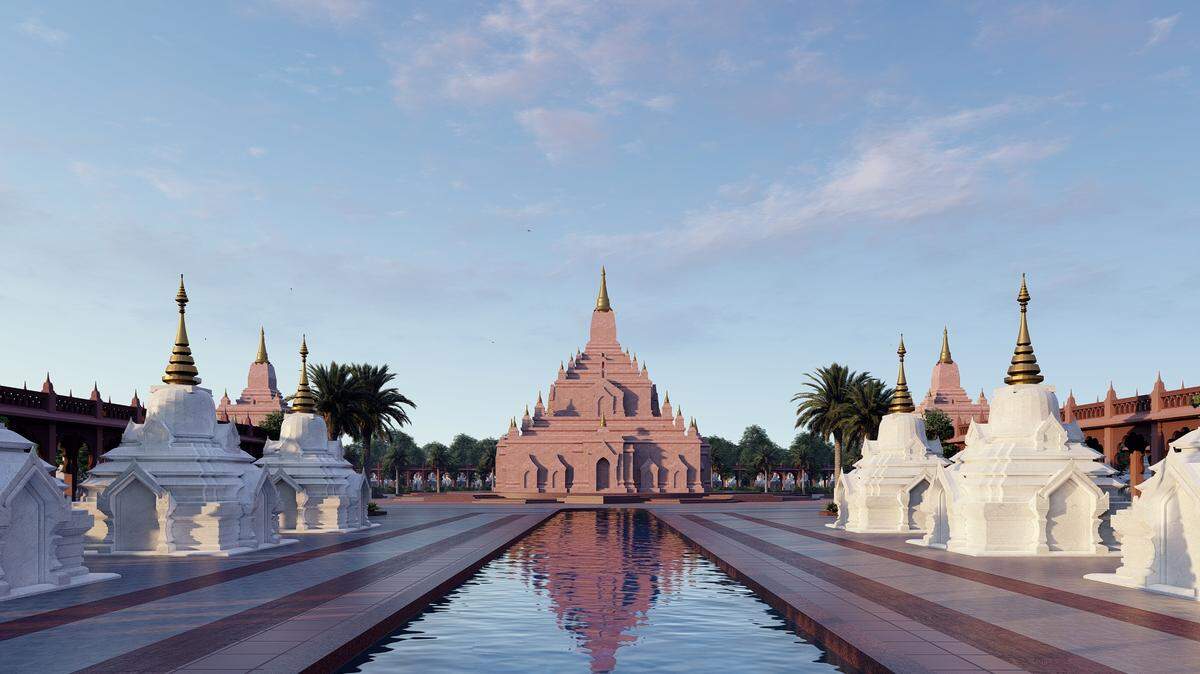
Fort Worth city leaders Dec. 10 gave their blessing for the construction of a 175-foot stupa in east Fort Worth.
The religious monument is the centerpiece of a $100 million expansion of the Huong Dao Vipassana Bhavana Center, one of Cowtown’s largest sites of Buddhist worship. If the revamp is realized, the complex, spanning 28 acres, will add hundreds of parking spots, 150 residential units housing monks and nuns, and hundreds of smaller stupas encircling the main structure.
The City Council unanimously agreed to rezone the Huong Dao compound to accommodate the monastery’s aspirations.
Several key components its expansion — the height of the core stupa, the orientation of its parking, and the size of its signs — breached the limitations of Fort Worth land use codes. City planners readily granted exceptions, finding that the proposed construction carried cultural importance and wouldn’t significantly disturb the surrounding neighborhood. City council members agreed.
“I’m very excited about this project,” said council member Gyna Bivens, fondly addressing the monastery’s leader in the crowd before putting the matter to a quick and uncontested vote.
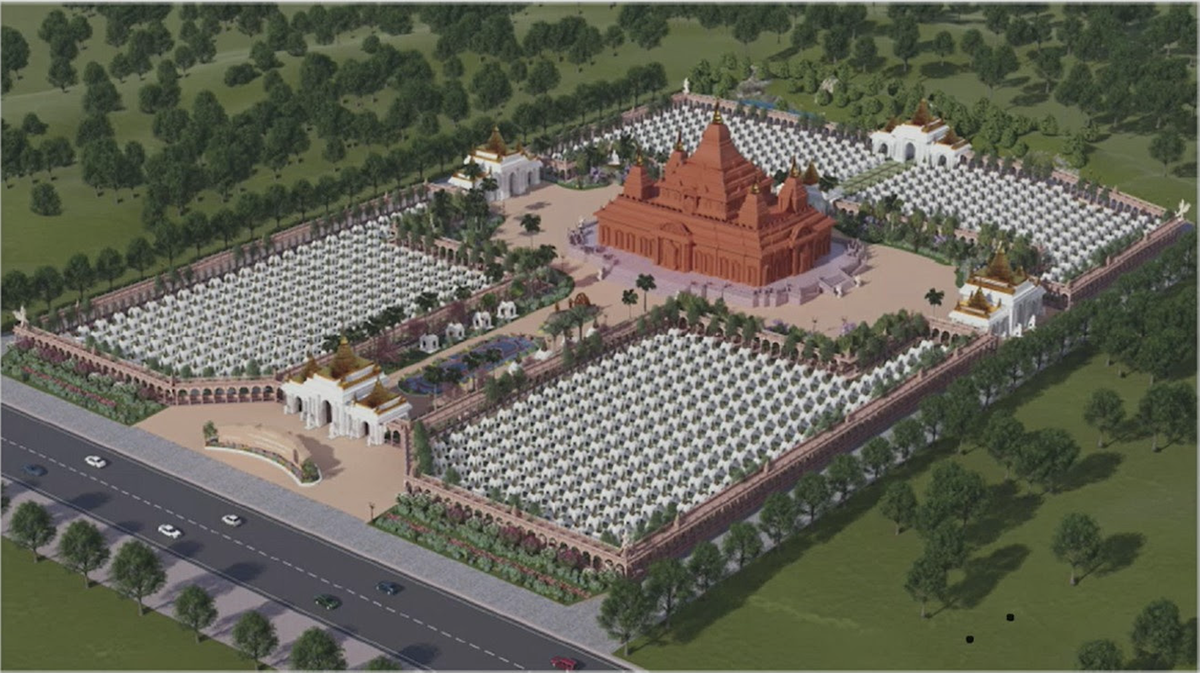
A fixture in Fort Worth since the early 2000s, Huong Dao is hemmed in by industrial lots and a rail line. The compound’s eye-catching temple, completed around 2009, shares its stretch of East Rosedale Street with a chicken shop, truck lots, a post office, and a Family Dollar.
Stupas are a foundational part of Buddhist architecture and faith, housing holy scriptures and relics. Huong Dao began constructing its own in 2022.
The monastery serves at least 1,000 predominantly Vietnamese worshipers, according to its leaders. There are few reliable estimates of how many practicing Buddhists reside in the Dallas-Fort Worth region, but tens of thousands of people with Vietnamese heritage call the Metroplex home.
This story was originally published December 10, 2024 at 8:41 PM.