‘I want to answer for that crime.’ Descendants of slave and her owner reconcile in Keller
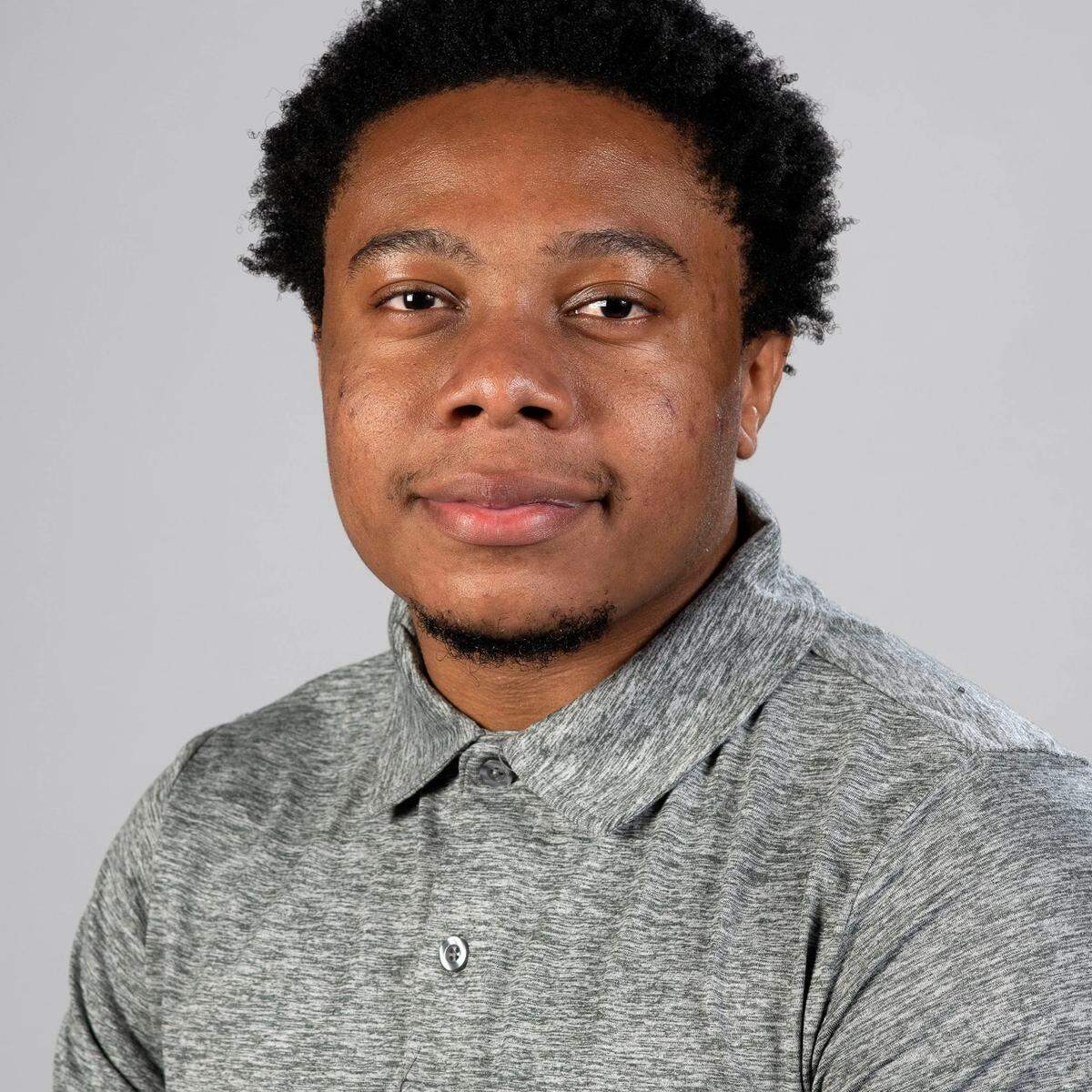
Tajanae Harris and Rebecca Bradshaw met for the first time this week after learning that their families intersected nearly 200 years ago as slave and slave owner.
Bradshaw presented Harris with photographs of Delia, the enslaved ancestor of Harris, as a form of healing and reparation. Bradshaw’s ancestors were Delia’s enslavers.
“I want to acknowledge that what my ancestors did to your ancestors was a crime, and I want to answer for that crime,” Bradshaw said. “I want to offer an apology on the part of my ancestors, even though that seems like way too little to offer, given the size of the offense of my ancestors that can never be undone.”
Fighting back tears when seeing the photos and struggling for words, Harris said she could only think of what Delia, who lived to be 106, went through as an enslaved woman.
“I don’t know if Ms. Delia ever got to see the photos of herself or touch them, but there’s a part of me that imagines that she did,” Harris said. “Thank you in holding these photos, it kind of not just feels like holding a piece of history, but getting a chance to hold someone that I never got to know in person.”
Harris donated the photos to the Tarrant County Black Historical & Genealogical Society Inc. to preserve her family’s legacy.
Harris and Bradshaw met at “The Conversation: A Story in Black and White,” which was hosted by Anna Burroughs Consulting, The SPECS Movement, and the Tarrant County Black Historical & Genealogical Society Inc. The event was moderated by Bob Ray Sanders, a former columnist and associate editor of the Star-Telegram. Sanders was joined on stage by Harris, a Dallas native, and Bradshaw, an author from Massachusetts, on Tuesday, Nov. 12, in front of a crowd of about 20 people at The Weller Church in Keller.
Harris and Bradshaw met after nearly four years of planning and research of their genealogies. Harris’ ancestor, Delia, was owned by Bradshaw’s ancestor, Robert Turner, who lived in Fort Worth, and Turner’s son, Charles, who was one of the pioneers in the founding of Fort Worth.
Harris, a PhD student at the University of Colorado Boulder, was hesitant to have the conversation at first. She took time to contemplate as she saw the political rhetoric that is dividing the country. But once she arrived at The Weller Church, she said, she felt an overwhelming sense of peace and calmness.
“I really want to resist this idea that there are divisions that can never be reconciled,” Harris told the crowd. “And that’s really what I’m about, is thinking about. ‘How do we recognize difficult truths in our past and then still continue to move forward.’ And I thought this was important for me to seek that kind of reconciliation.”
Bradshaw wanted the event to not just be a healing experience for herself but for a world engulfed in hatred and terror.
“We’re here because of tragedy, we’re here because of crime, you could say a crime committed by my ancestors,” Bradshaw said. “So I think I’m feeling sadness for the whole institution of slavery and the history of it, which, of course, isn’t just in the past, but kind of the legacy of it and the terror is because I’m not exactly representing here the good guys.”
Family trees intersect with slavery
After speaking with two college friends who researched their family trees, Harris decided in 2020 to do the same and contacted Anna Burroughs, a professional genealogist, for assistance.
As Burroughs researched Harris’ family tree, Bradshaw was doing her own research online on ancestry.com, which is publicly viewable. Bradshaw contacted Burroughs when she saw someone from her family tree may have owned someone in Harris’ tree.
Bradshaw’s ancestor Robert Turner was the pastor of a Baptist church, a judge, and a plantation owner. His remains are in Greenwood Memorial Park northwest of downtown Fort Worth off of White Settlement Road. He purchased Delia, Harris’ ancestor, on an auction block in Alabama sometime between 1830 to 1840. Delia was a house servant who cared for generations of the Turner family.
Robert’s son, Charles, was one of five men sent from Johnson’s Station on June 6, 1849, to locate a site for a fort, which became present day Fort Worth.
When Harris learned about Bradshaw and her request to meet, she contemplated the decision and decided to go to therapy with a focus on generational trauma. The decision involved not just meeting relatives of her ancestors’ enslavers, but reconnecting with her estranged father’s side of the family.
Harris spent four months in therapy in early 2021 and felt settled enough to have a conversation with Bradshaw but not ready to meet. When she was still contemplating her decision, she competed in a 5K run that was a fundraiser at the Lenora Rolla Heritage Center Museum, which is in Fort Worth’s Historic Southside neighborhood. During a tour of the museum, Harris heard an oral history of a woman who had the same last name as her who shared her excitement of being free from enslavement, what it was like being independent, and the fear of violence from groups like the KKK.
Harris did not make her decision to meet with Bradshaw until May of this year with the help of Burroughs.
DNA tests planned
One of Bradshaw’s relatives is listed on Delia’s birth certificate, raising questions about whether she was purchased at a slave auction or could have been an illegitimate child. That question will lead to the next step in the reconciliation process, as Harris and Bradshaw will take DNA tests to see if they are related.
Burroughs, meanwhile, plans to search the Turner family’s documents and research the rest of the enslaved people listed in Turner’s documents.
Burroughs reflects on how other countries that have experienced a genocide or apartheid have taken an intentional period of time for healing and reconciliation, which never happened in the United States. For instance, Germany, starting in the 1950s, paid reparations to Jewish families and returned looted art, and South Africa organized its Truth and Reconciliation Commission in 1995.
Bringing Harris and Bradshaw together is one step in coming together to listen, learn, and repent so we can move on, Burroughs said.
“We’re not going to heal unless we are able to tell these stories” Burroughs said.
This story was originally published November 13, 2024 at 2:15 PM.