‘Preventing deaths’: An elephant at Fort Worth Zoo is making medical history. Here’s how
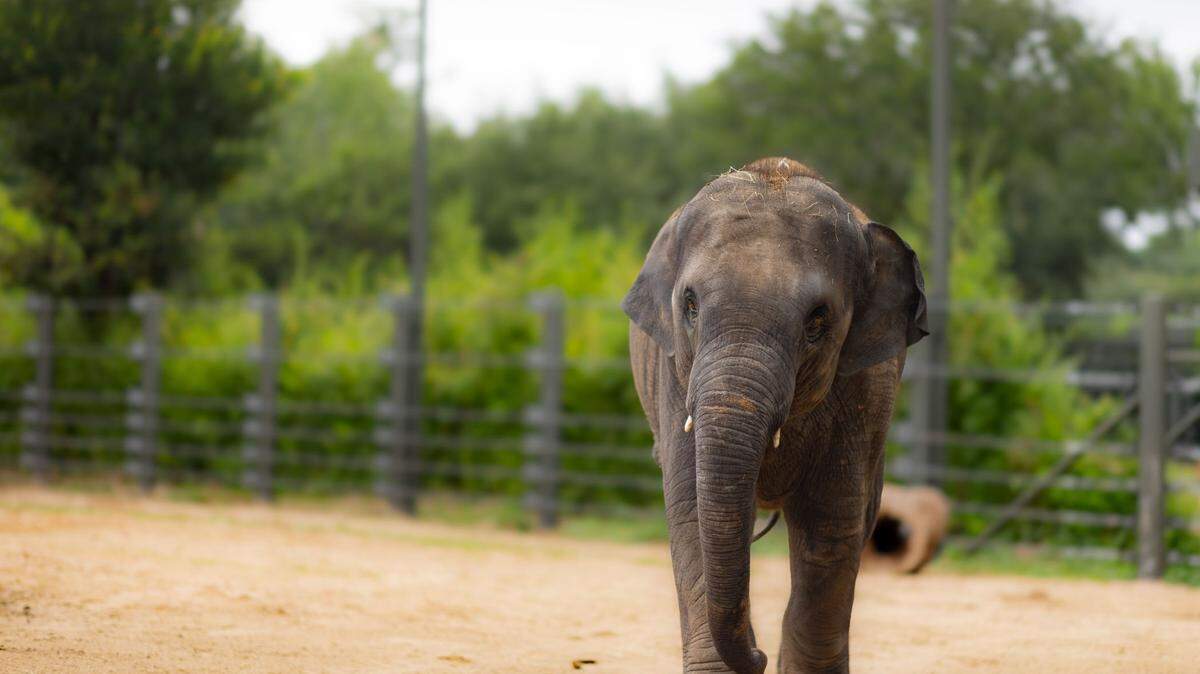
An elephant at the Fort Worth Zoo is making animal medical history
Brazos, a two-year-old Asian elephant calf at the Fort Worth Zoo has received the endotheliotropic herpesvirus (EEHV) mRNA vaccine without having antibodies, making him the first elephant in the world to do so.
EEHV is the deadliest virus to Asian and African elephants and can kill young elephants within 12 to 24 hours after infection.
The virus is also associated with lethal hemorrhagic disease.
Brazos received two doses of the vaccine, zoo officials said.
“Vaccinating Brazos is a huge step toward preventing EEHV deaths in elephants,” Dr. Sarah Cannizzo, a board-certified specialist in zoological medicine for the Fort Worth Zoo said.
“It is an awesome example of the power of collaboration: collaboration across zoos, collaboration among zoos and scientists, and collaboration between elephant and veterinary departments.”
Where did the EEHV vaccine come from?
With the help of the Houston Zoo, Baylor College of Medicine virologist Dr. Paul Ling created the first mRNA vaccine to combat the illness earlier this year. Ling has been working with the zoo through a partnership called the Elphant Health Alliance since 2009.
The goal of the alliance is to find treatments and cures for EEHV.
The Fort Worth Zoo is one of many animal facilities that have partnered with the alliance to advance their mission and has helped with discoveries that have led to the generation of the novel vaccine, Ling said
Why was Brazos the elephant chosen?
Elephants usually have antibodies against EEHV from their mother when they are born. But those antibodies vanish with age, leaving calves extremely vulnerable to this fatal illness.
The Fort Worth Zoo routinely tests every elephant in the herd for antibodies using blood samples sent to Dr. Ling’s lab. Upon conducting Brazos’ most recent blood test, the laboratory found that he was devoid of any EEHV antibodies, making him a fitting vaccine candidate.
Three Asian elephants at the Houston Zoo who already have antibodies have gotten the vaccination thus far.
“Expanding the trial to genetically unrelated elephants at other institutions is a critical part of the process for evaluating the vaccine’s potential,” Ling said.
What happens next?
The veterinary and elephant teams at the Fort Worth Zoo worked together for months to train Brazos daily to receive the vaccination.
Now that it’s been administered, researchers will study the vaccine’s effects in an elephant that has never had a primary EEHV infection or that has never retained any antibodies from its mother for the first time.
“Should these vaccine efforts be successful and lead to wide-spread adoption of the vaccine, Brazos will be one of a small handful of elephants who helped make this possible, ”Dr Ling said.
The expectation remains that Brazos getting the vaccine will be crucial in helping to discover a global cure for EEHV.