‘It’s a monstrosity.’ Will this eyesore in a Fort Worth neighborhood finally come down?
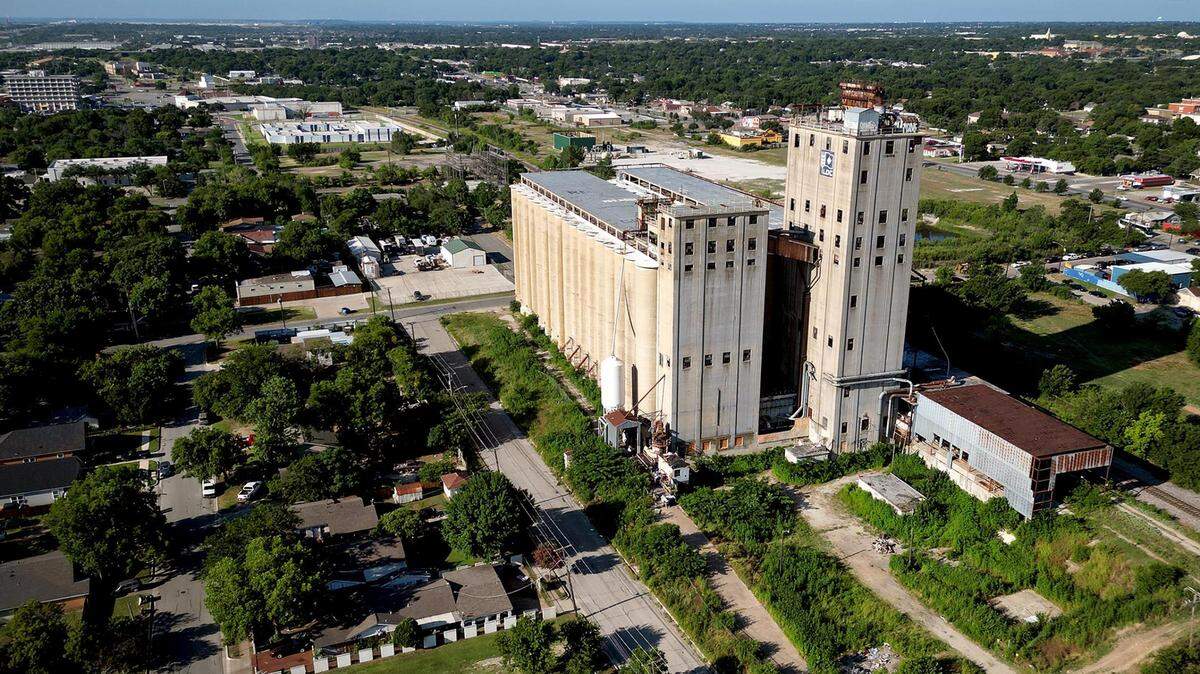
The city of Fort Worth is taking renewed steps toward the demolition of an abandoned grain silo and grain elevator complex that residents of Worth Heights have said is an eyesore and danger to their neighborhood.
The Building Standards Commission voted unanimously March 25 that the complex, beside railroad tracks at 3700 Alice St. south of downtown, is substandard and hazardous. The commission ordered the property owner to repair or demolish the complex within 30 days.
The city would be authorized to demolish the complex if the owner fails to do so. A lien would be put on the property for the cost of the work.
The owner of the property is 3500 Alice Trust. Code compliance has tried to contact the owner numerous times starting in October 2016 through February 2024 with no success, the city said. The Star-Telegram could not reach the property owner for comment.
The Building Standards Commission determines whether buildings, properties, or structures are in compliance with the city code. If violations are found, the commission orders the property owner to comply with applicable laws and ordinances, including relocation of occupants, repair, or demolition.
The complex was determined by the city to be substandard and hazardous due to damaged construction materials with loose and falling sheet metal, broken windows, corroded piping, and deteriorated awnings. In addition, the property is not secure, meaning people could enter and hurt themselves. There have also been problems with illegal dumping, multiple fires, and the presence of numerous unauthorized individuals using the property, the city said.
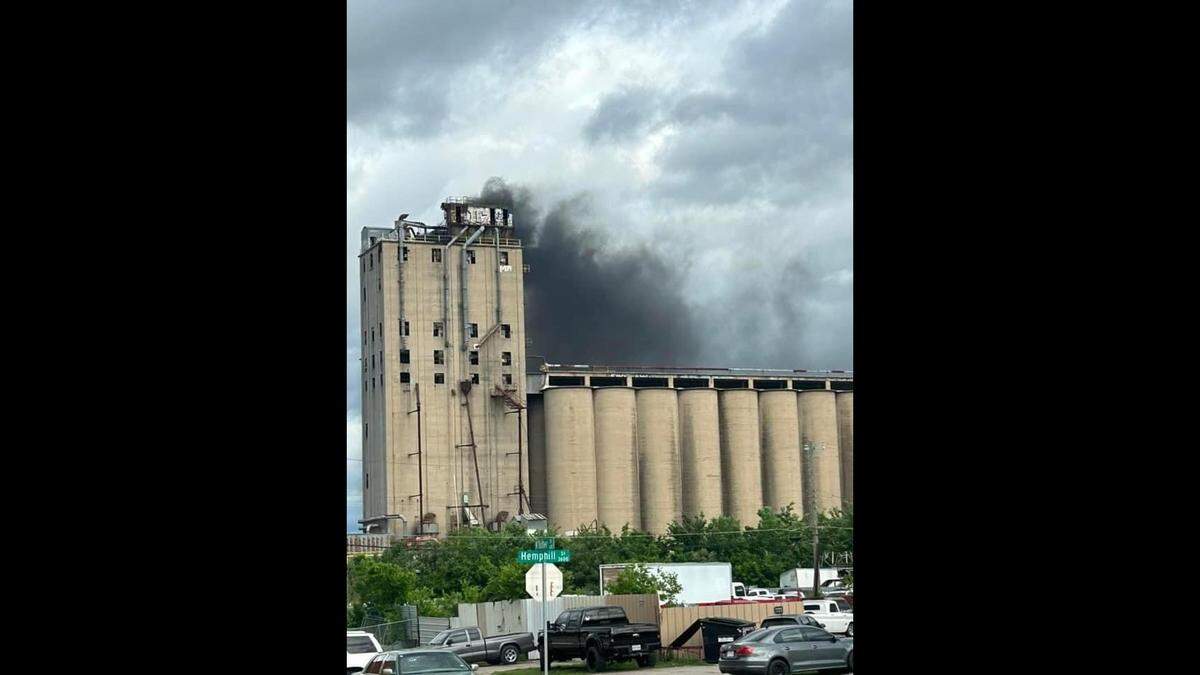
Fort Worth firefighters were called to the complex Wednesday to put out a fire that sent black smoke into the air. Contents inside the building were on fire, the fire department said. No one was injured.
Previous reporting by the Star-Telegram shows the silos and grain elevator date to 1924, when Fort Worth was considered the grain capital of the Southwest, according to an archivist at the Fort Worth Library. The complex was owned by the Fort Worth Elevator Co. The structure does not have an historic designation.
In December 2016, the property came before the city’s Building Standards Commission, which unanimously deemed the silos “substandard and hazardous.”
Shannon Elder, interim director of Code Compliance, says the city was not able to demolish the structures at that time because it did not have the funding. It is estimated it would cost about $1.5 million to demolish the complex today, and the city is developing a possible funding plan involving multiple sources.
The new interest in demolishing the complex comes following the city council selection of Worth Heights to participate in the Neighborhood Improvement Program, which is designed to improve the quality of life and public safety of a neighborhood. The program typically includes new sidewalks, streetlights, and an increased police presence, among other things. During community meetings held as part of the program, the demolition of the complex was a high priority for the residents. But the cost of the demolition would take too much of the $4 million allocated for the Neighborhood Improvement Program, Elder said.
“Securing funding for this project would improve the quality of life and enhance public safety in this underserved community,” Elder told the Star Telegram. “Once the silos are gone, the residents will finally get to see the sun rise.”
From 2006 through February 2024, the property has had been the subject of 59 citizen complaints. There have been 367 phone calls to the police about the property since December 2005. Unpaid taxes on the property total $224,167.
On Sept. 10, 2016, a 17-year-old girl fell several stories from the structure and died.
Vicki Bargas, vice president of the Worth Heights Neighborhood Association, told the commission during the March 25 meeting that the silos are a blemish on the community and Fort Worth.
“We’ve been pleading and begging and doing everything we can to get the city, to get the owner, to tear it down,” Bargas told the commission. “And if he won’t or she won’t, then please have the city do it so we can be rid of this. It’s just a big eyesore, it’s a monstrosity, it shouldn’t even be in an urban area like our neighborhood is.”
This story was originally published April 9, 2024 at 5:00 AM.