Can this $148.8M study provide answers to the racial disparity of Alzheimer’s disease?
About 10 years ago, Sheryl Johnson started to notice that her mother Evelyn was becoming forgetful and losing things. Evelyn was depressed and wasn’t performing her usual chores around the house.
Johnson’s sister, Jackie Taylor, said they were forced to confront their 90-year-old mother’s situation when she got lost while driving. Taylor took her mother to the hospital, where it was determined she had Alzheimer’s disease.
Since then, the family’s whole world has changed. There are financial burdens associated with all the goes into caring for someone with Alzheimer’s. And there is the emotional toll of seeing their mother decline. Family members look to each other for support during times of frustration.
“We have to adjust to her world because she can’t adjust to the real world anymore,” Sheryl Johnson said.
Evelyn, who lives in Dallas, is among 6 million Americans and 21.3 percent of African Americans ages 70 and older living with Alzheimer’s disease . The number of people with Alzheimer’s is expected to grow to 18 million by 2050. People with Alzheimer’s experience dementia that affects memory, thinking and behavior.
Black Americans are twice as likely, and Hispanic Americans are 1.5 times more likely, to develop Alzheimer’s than non-Hispanic white Americans. The reasons for this gap are not clear, but research by the University of North Texas Health Science Center is exploring the biological and sociological reasons for this disparity.
These factors may contribute to Alzheimer’s
Brenda Shuttlesworth is executive director of the Fort Worth branch of the Alzheimer’s Association, which provides Alzheimer’s research, risk reduction, early detection, quality care and support.
She says a common misconception about Alzheimer’s or dementia is that it is a normal part of aging. Cognitive decline is normal during aging but Alzheimer’s is more severe.
Shuttlesworth and the Alzheimer’s Association point to a few possible reasons for the disparities in who is afflicted with Alzheimer’s disease.
One factor could be related to other health problems, such as heart disease, high blood pressure and diabetes, which also affect African Americans dis-proportionally. Social determinants, such as economic disadvantage, air pollution and racism, could also be involved. People afflicted with the disease may also not get the appropriate treatment because they don’t want to talk about Alzheimer’s or dementia with their doctor.
Shuttlesworth noted that 50 percent of Black Americans have reported feeling discriminated against when seeking health care, which could make them less likely to talk about some conditions with their doctor or to seek care for a problem.
Shuttlesworth said everyday actions can improve brain health. She encourages people to eat a healthy diet, exercise, not smoke, protect their heads while riding a bicycle or playing sports, challenge their mind with things such as board games, and to watch their blood pressure.
Johnson says she and her family would have been more conscious about eating healthier, self-care and exercising if they had known more about Alzheimer’s disease.
Health and Aging Brain Study
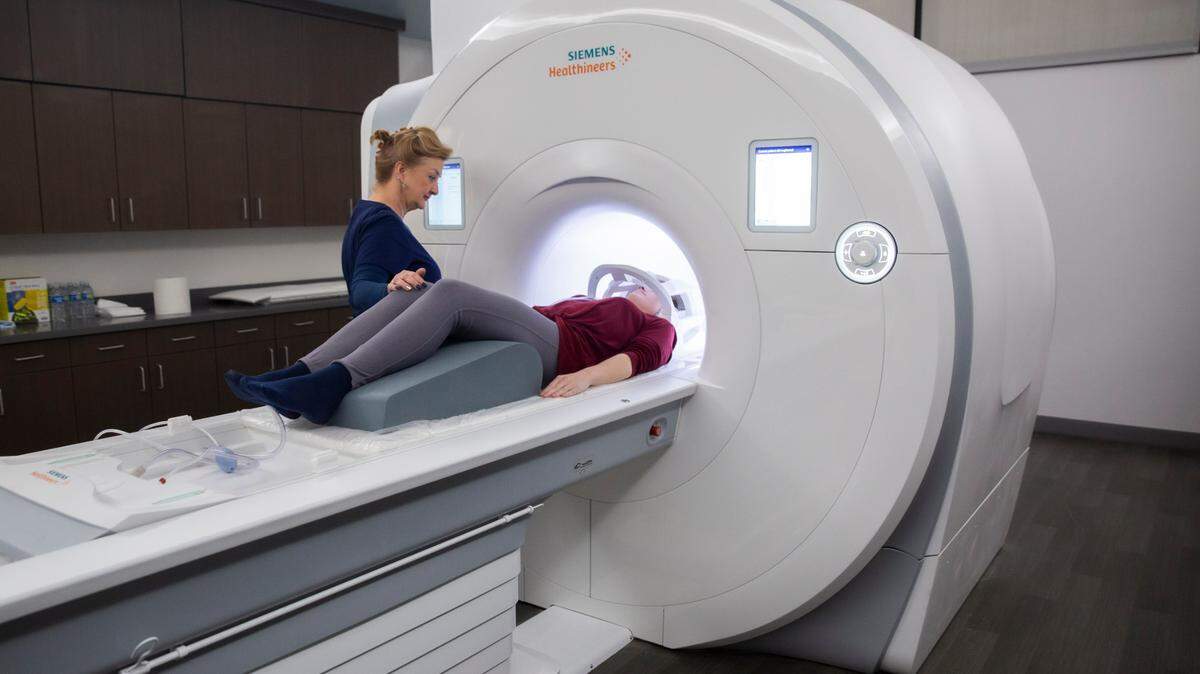
In 2022, the Institute for Translational Research at the University of North Texas Health Science Center at Fort Worth received a five-year grant of up to $148.78 million from the National Institute on Aging to fund one of the largest studies ever on Alzheimer’s disease. It is one of the largest grants the University of North Texas System has ever received.
The money will fund the first large-scale study of the biology of Alzheimer’s disease in the three largest racial and ethnic groups in the U.S: African Americans, Mexican Americans and non-Hispanic white Americans. Past research has focused primarily on white people.
Sid O’Bryant is executive director of the Institute for Translational Research and oversees the Health and Aging Brain Study.
He has conducted research since he was an undergrad at Texas Tech. He came to the UNT Health Science Center in 2012 with a goal to build a study of how brain aging occurs across different groups.
“No two brains are the same,” O’Bryant said. “We all age in a different way, and I’m here to help people understand those things. And so that’s what we really focus on.”
He says racism can play a role in health and people’s brains because environmental stress in the absence of support can cause damage. Access to health care or healthy food can reduce the amount of damage caused by social issues, he said.
A 2021 study published in JAMA Psychiatry analyzed 55 Black women in the U.S. and found that those with more racial discrimination experiences had proportionally greater responses in the parts of the brain associated with the ability to monitor threats in one’s environment and the ability to control one’s emotions. More frequent racial experiences causing constant reaction in the brain may lead to long-term health disparities, the study said.
The Health and Aging Brain Study could create the ability for doctors to prescribe drugs and treatments based on an Alzheimer’s patient’s age, risk factors, and the state of their disease. It could also help identify early markers of Alzheimer’s disease to prevent it from developing instead of slowing down the disease’s progress.
The research will involve more than 4,500 volunteers from across each ethnic group.
So far, the study has shown the top 15 genetic risks for Alzheimer’s almost all vary based on race and ethnicity. It has also shown that previous research on a gene that increases the risk for Alzheimer’s mainly affects those of European ancestry but not of African ancestry.
Role of a caregiver
Johnson and her husband moved into the house where her sister and her mother were living eight months ago.
She and her sister are retired nurses who have cared for Alzheimer’s patients.
The sisters take turns caring for their mom.
“I’m used to dealing with it, but when it comes to your own parents, it is harder emotionally,” Johnson said.
Pat Bailey is a caregiver coach and in May 2023 founded Finding New Tomorrows, which provides Alzheimer’s and aging resources, outreach, educational tools, caregiver coaching. It also provides funds to under-served communities. Bailey has been involved with issues related to Alzheimer’s disease since 2006 in North Texas.
Bailey’s mother learned she had Alzheimer’s in 1998 and died in 2005. The seven-year journey made Bailey want to help families in similar circumstances.
She says caregivers face a number of challenges, from making their homes a safe environment to creating a cost effective plan for things such as food, medicine, and laundry, while dedicating 20 to 30 hours of their work week to take care of their loved ones with Alzheimer’s disease, while caring for their immediate family as well.
A study published in 2022 on The American Journal of Managed Care website estimated healthcare costs associated with Alzheimer’s and associated dementia treatment in the United States were $321 billion a year, with costs projected to exceed $1 trillion by 2050.
In 2017, the Journal of the American Geriatrics Society estimated the costs for a person with dementia over a lifetime were $184,500 greater than for someone without dementia, with 86 percent of the expenses incurred by their families. The average cost of assisted living is $4,950 a month, and the cost of memory care for persons with Alzheimer’s or other related dementia, on average, is $6,150 a month, according to Dementia Care Central.
Bailey spends much of her time teaching and training others on obtaining and using powers of attorney, executing wills, understanding trusts, and understanding the yearly changes in Medicaid. She says people would save themselves time and anguish if they familiarized themselves with such issues before Alzheimer’s is diagnosed in their family.
“We as a country, we’re just not paying attention that people don’t get the care because they can’t afford to get the care,” Bailey said.