
Is there a place for Fort Worth’s LaGrave Field in the new vision for Panther Island?
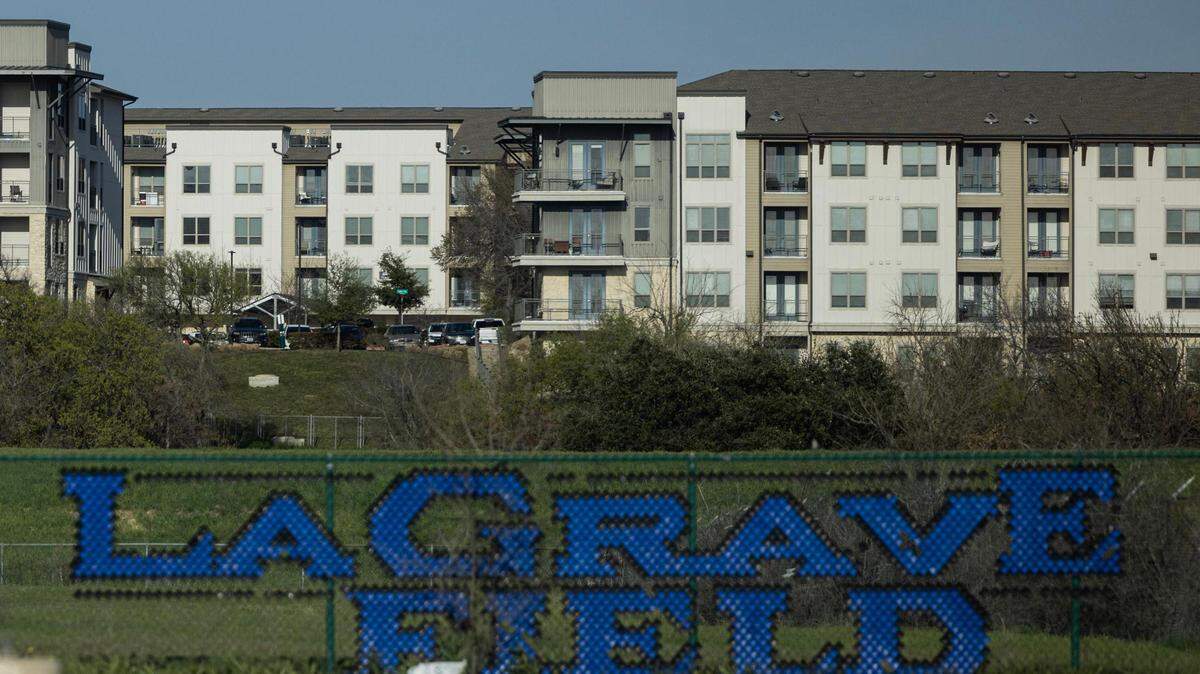
It appears that not even Kevin Costner and a field of corn can save LaGrave Field from the threat of demolition as the new vision of the Panther Island takes shape.
A recently released consultant’s report from HR&A Advisors of Dallas recommended knocking down the abandoned stadium north of downtown because the graffiti-stained grandstand was too expensive to fix.
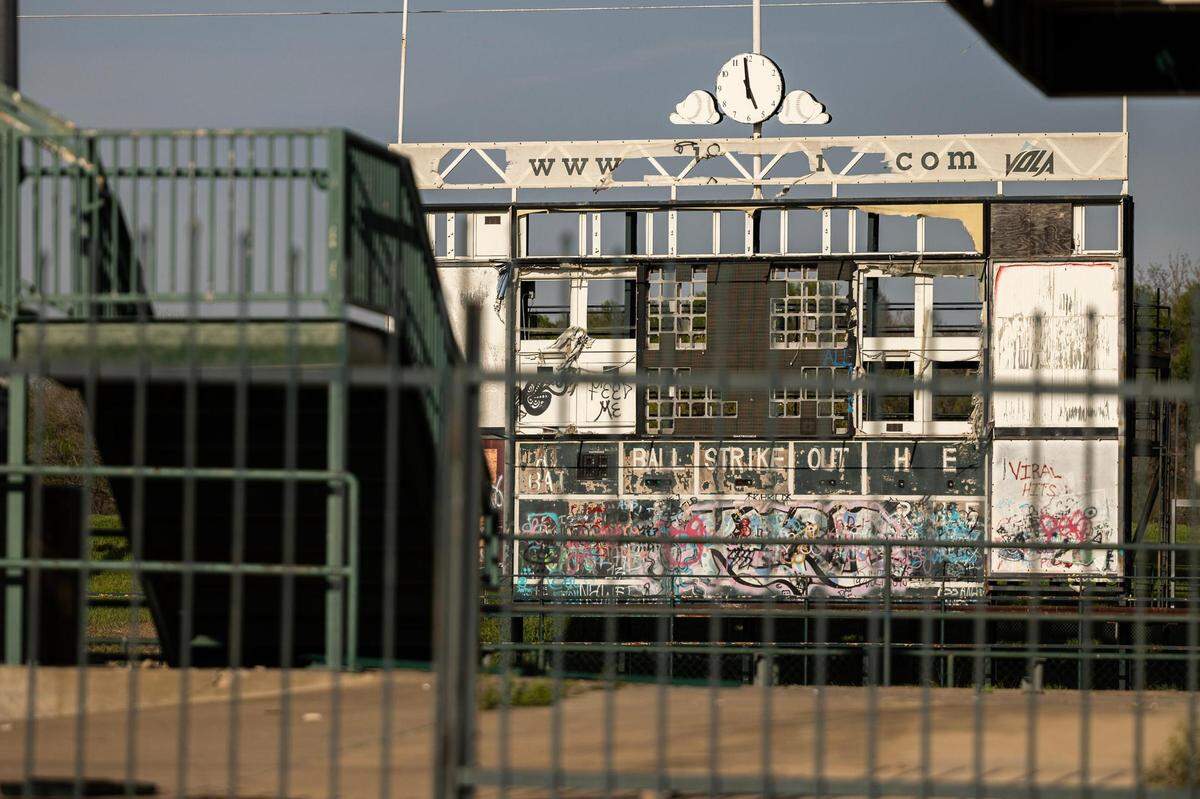
The report cited LaGrave’s placement on the island, the amount of parking required for a sports stadium, and the lack of a viable business model to support year-round use. It recommended creating a public space on the site at 301 Northeast 6th St. to celebrate the field’s historical and cultural significance.
The report is just a recommendation, but it will inform how the stadium’s owner, the Tarrant Regional Water District, chooses to move forward. The district has spent over $400,000 over the past three years on maintenance and security for LaGrave.
While the field itself holds historic significance, the stadium itself is relatively new.
The Fort Worth Cats started playing at the original LaGrave Field in 1926 first as an independent team and eventually as a part of the Brooklyn Dodgers farm system. Baseball legends like Babe Ruth, Jackie Robinson and Lou Gehrig all took their turns gracing the base paths during the Cats’ nearly 40-year stint in Fort Worth.
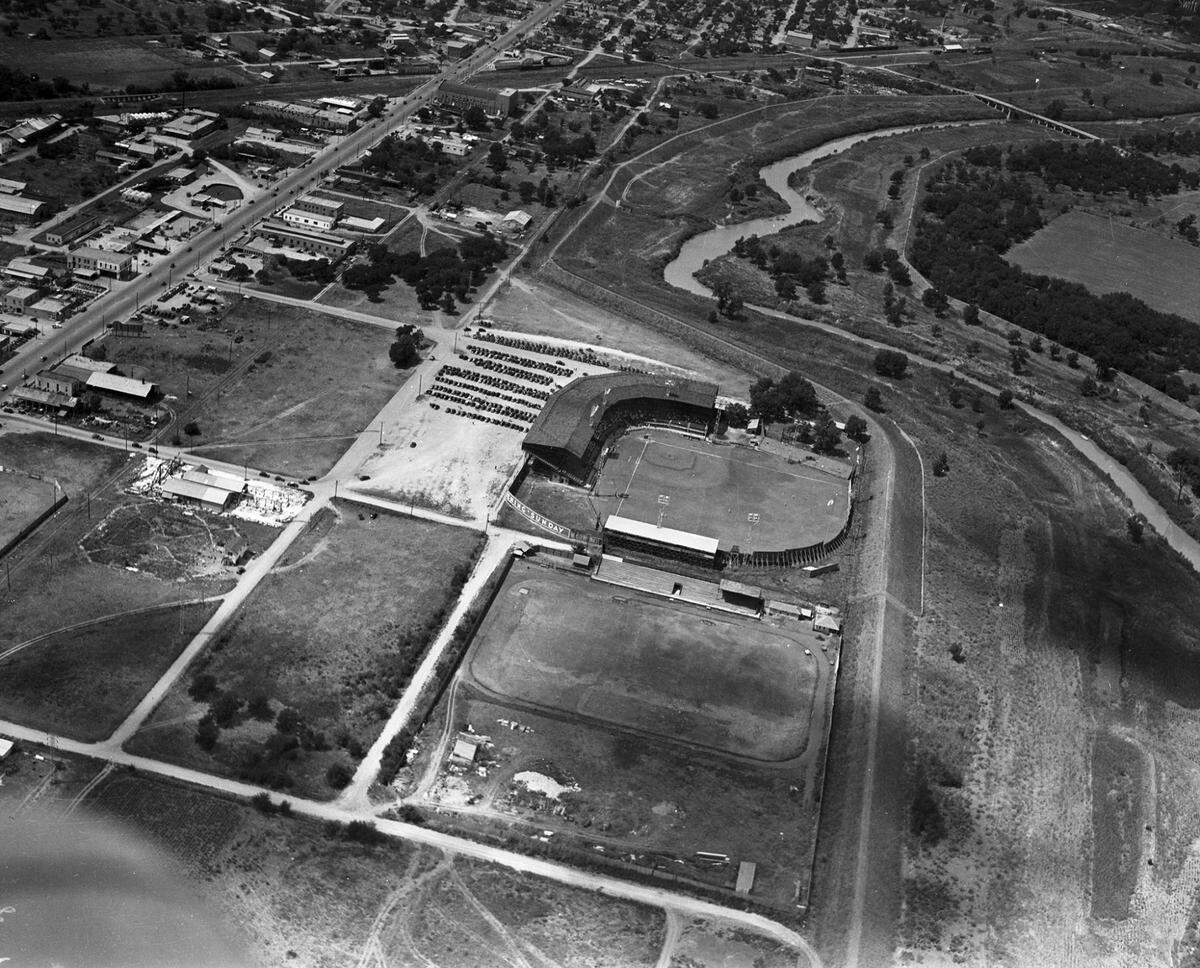
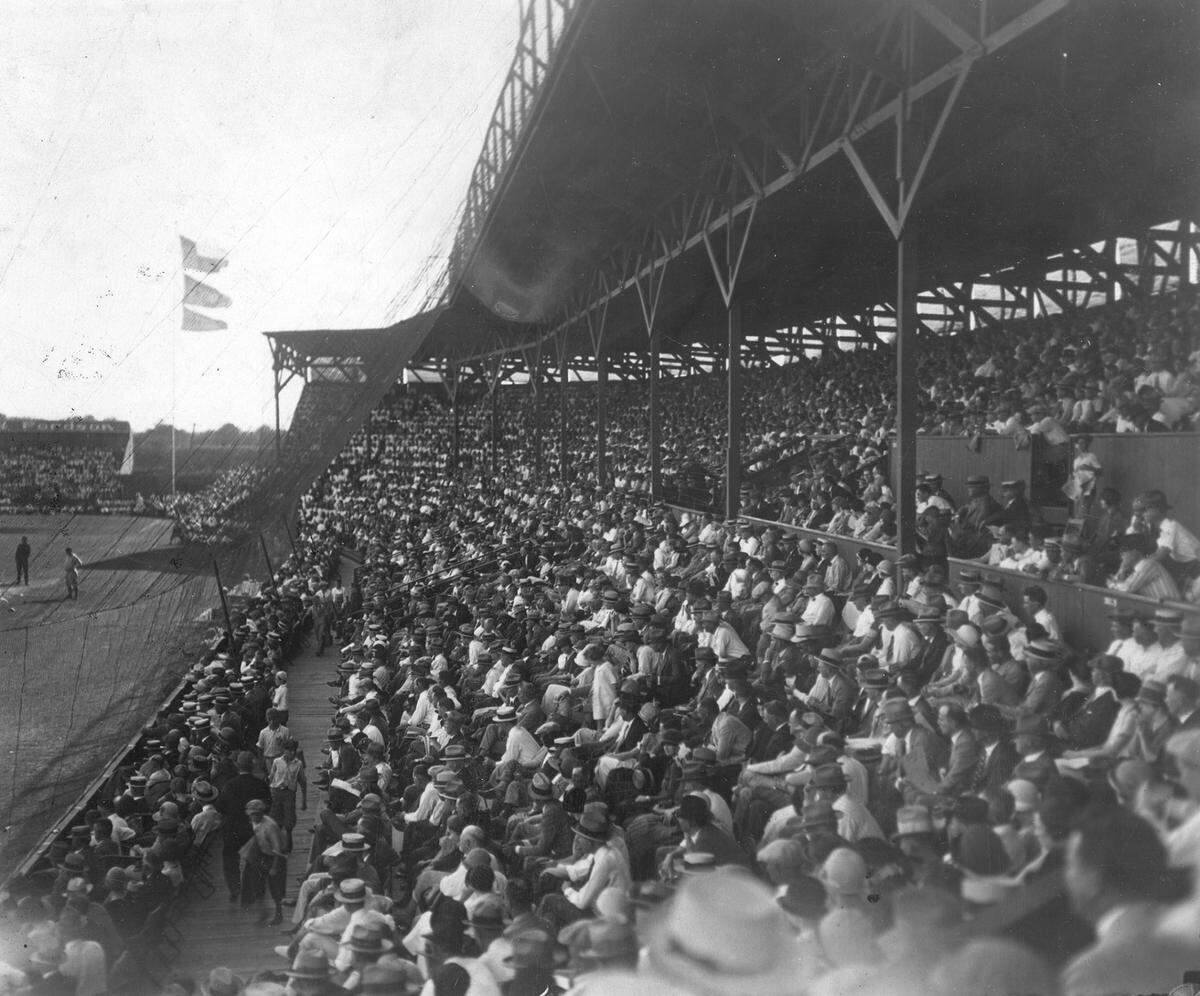
The Cats would eventually leave Cowtown in 1964 after merging with a team from Dallas to play ball in Arlington Stadium. LaGrave was knocked down three years later.
The site sat empty until 2001 when Fort Worth businessman Carl Bell rebuilt the stadium around the original base paths with a new incarnation of the Fort Worth Cats franchise.
.JPG "PHi_j0174(28).JPG")
However, a proposed real estate development combined with the 2008 financial crisis put the team’s finances in jeopardy as Bell had to fight off several attempts to take both the team and the stadium in foreclosure proceedings.
Bell eventually sold both in 2012. The Cats continued for two more seasons before being asked to leave in 2014.
The stadium has sat empty ever since.
There was an attempt in 2018 to revitalize the ballpark with the Save LaGrave Foundation agreeing to pay $4.75 million to fix up and rent the stadium from the Tarrant Regional Water District. That deal fell apart in September 2020 after the foundation failed to meet certain deadlines, according to the water district’s general council.
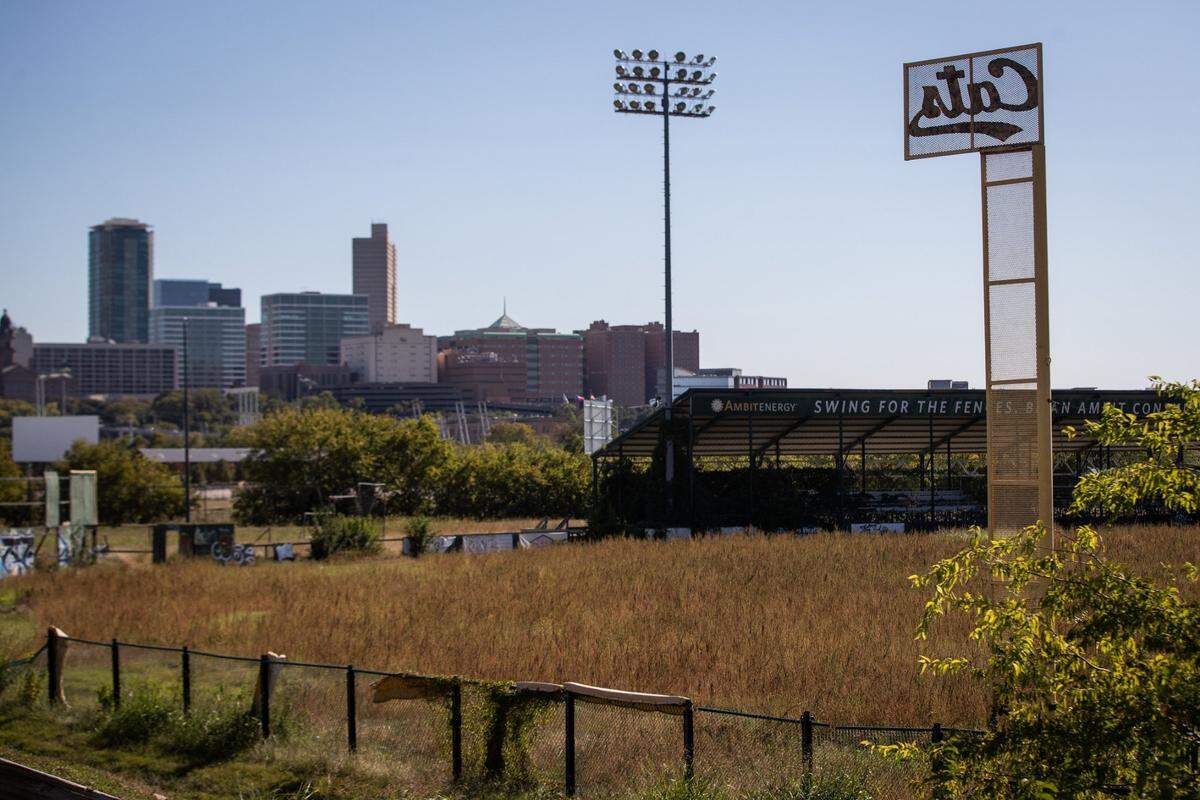
Some members of the “Save LaGrave” Facebook group expressed their displeasure at the consultant report’s recommendation to knock down the abandoned stadium.
“That is a piece of history. How dare they suggest knocking it down and memorializing it as the solution,” one user said.
Another suggested the consultants should have looked to the example of independent teams like the Savannah Bananas whose unique style of baseball has brought both financial success and a cult following. The team recently sold out the 41,000 seat Minute Made Park in Houston for a game against their rivals the Party Animals.
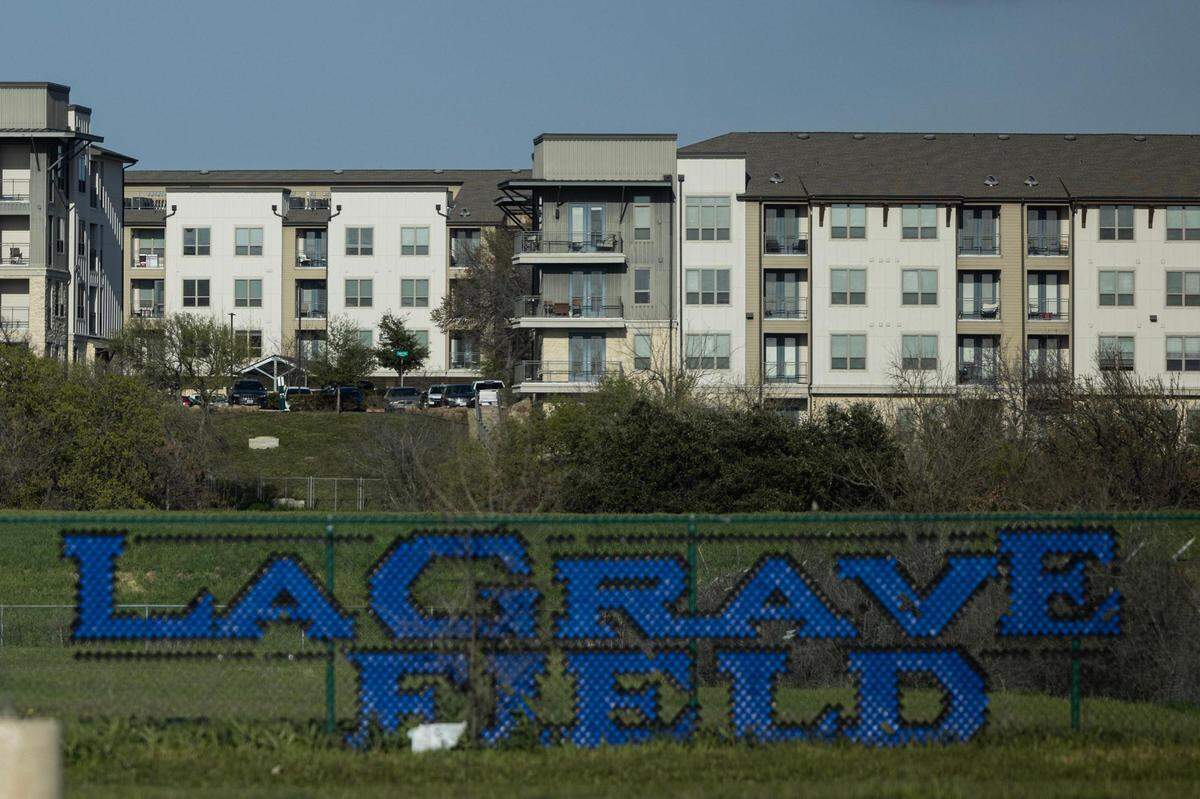
About Panther Island
Panther Island will be created when the Army Corps of Engineers builds a 1.5-mile bypass channel connecting two sections of the Trinity River north of downtown. The plan is to provide flood control and update the aging levee system. The resulting island will create 338 acres of prime real estate.
This story was originally published March 13, 2024 at 10:47 AM.
.jpg)