Black taxpayers more likely to get IRS audit, study says. Fort Worth group wants action
A local civil rights organization wants to raise awareness about disparities that result in Black taxpayers being audited by the Internal Revenue Service at rates three to five times higher than other taxpayers.
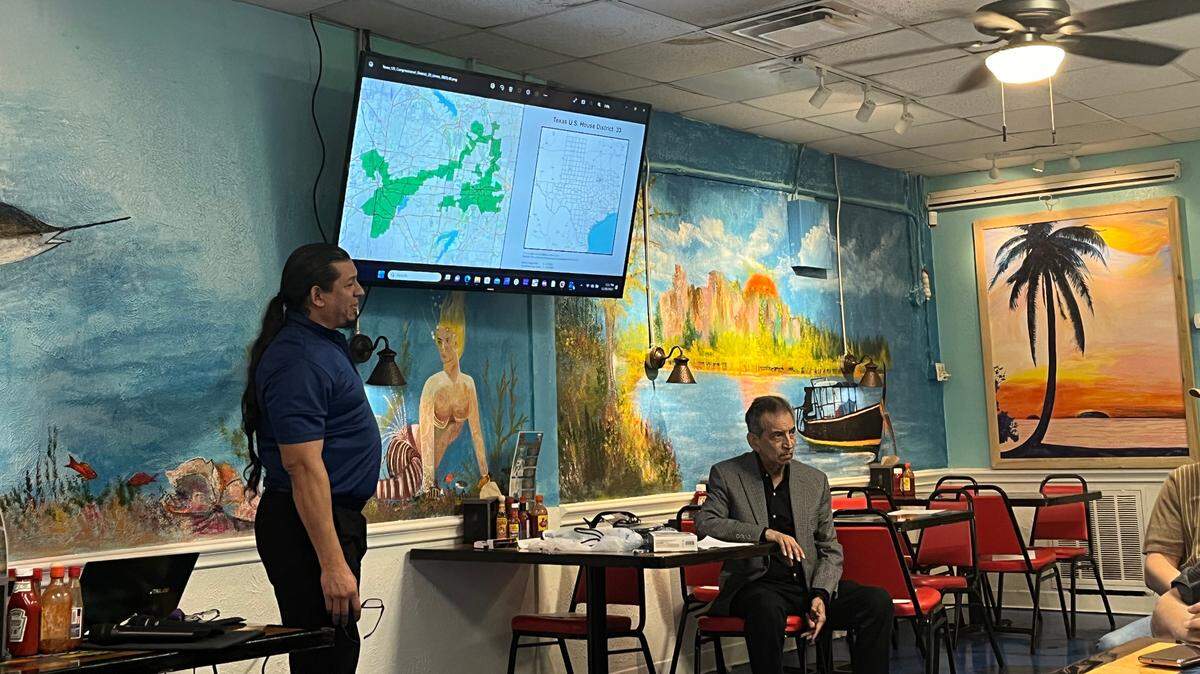
Members of the League of United Latin American Citizens District 21 Fort Worth chapter met at the Mariscos Sonora restaurant in Fort Worth this week with Congressman Marc Veasey to share their concerns about the disparity and ask for help from the government to make changes.
Hector Carrillo, chairperson for the chapter, said he found the information about disparities in audits when he was doing research related to civil rights.
Carrillo discovered a Stanford study published this year that examined racial disparities in tax audits by analyzing 148 million tax returns and 780,000 audits in 2014. The study says Black taxpayers are audited at 2.9 to 4.7 times the rate of non-Black taxpayers. The main disparity is tied to those who claim the Earned Income Tax Credit, where Black taxpayers claiming the credit are between 2.9 and 4.4 times more likely to be audited than non-Black taxpayers, the study said.
“I realized that Black minorities were being affected disproportionately,” Carrillo said at the meeting Monday. “You’re talking about three to five percent more than all other minorities.”
The IRS does not know the race of people it is auditing so the research team had to look at other factors that might affect the disparity.
The study says the disparity is caused by an artificial intelligence algorithm that the IRA relies on to determine who gets audited. The algorithm flags errors when claiming certain tax credits such as the Earned Income Tax Credit, the Child Tax Credit or the American Opportunity Tax Credit. Other factors outside IRS control, such as credit eligibility, could contribute to more mistakes found among Black taxpayers due to racial differences in family structure, the study said.
Tax credits such as the Earned Income Tax Credit provide support to low- and middle-income taxpayers who have earned income under $59,187.
Congressman Veasey said he found out about the study when the League of United Latin American Citizens reached out to him a few weeks ago.
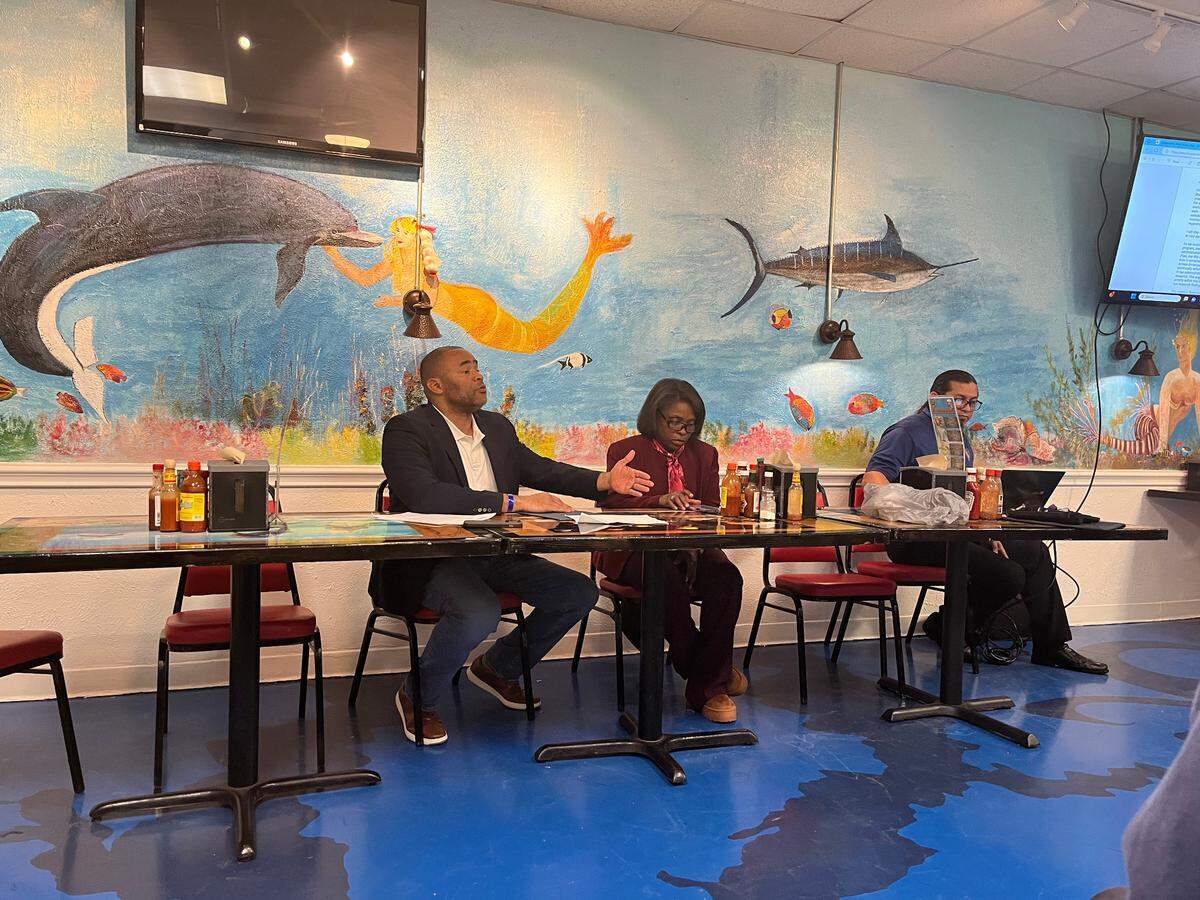
Veasey recalled working in the federal government when he was in college and hearing conversations about how low-income people would fill the IRS office. These individuals had little money to hire lawyers or accountants to prepare their taxes, and, without the proper resources or documentation, they would get audited more often.
Veasey said he wants to confront the problems with artificial intelligence and the bias that is inherent in programs. He says his next step is to take the issue to members of the Black Caucus who are on the Ways and Means Committee to see exactly how they’re addressing the issue.
“People should know about it because it’s important that we have transparency on how all of our federal agencies work,” Veasey said. “It’s not just a matter of the IRS, but all of our issues, and if there’s bias in our departments, then it needs to be recognized, there needs to be transparency around it, and there needs to be changes made to where it’s rooted out.”
Salvador Carrillo, district director of the Fort Worth chapter of the League of United Latin American Citizens, is a tax accountant who says people are fearful of filing taxes because of being audited, which is why tax filing is a business in itself. Documenting everything from utility bills to children’s report cards can feel intimidating and make those who can’t readily provide such documentation feel like criminals, he said.
“They shouldn’t be demonized for qualifying for the credit and using your credit,” Carrillo said.
Claiming a tax credit someone is eligible for shouldn’t result in a burden when someone is audited, Carrillo said. People also shouldn’t be stereotyped as welfare queens or other derogatory terms because they fairly use a tax credit, Carrillo said.
In May, IRS Commissioner Daniel Werfel acknowledged in a letter to the U.S. Senate that the IRS is “deeply concerned” about the findings and are working to find ways to address any bias that exists.
“When evidence of unfair treatment is presented, we must take immediate actions to address it,” Werfel said in the letter. “It is also important to reiterate that we do not and will not consider race as part of our case selection and audit processes.”
This story was originally published November 24, 2023 at 5:00 AM.