
Fort Worth’s pioneers drank from Trinity River. As city grew, so did need for water.
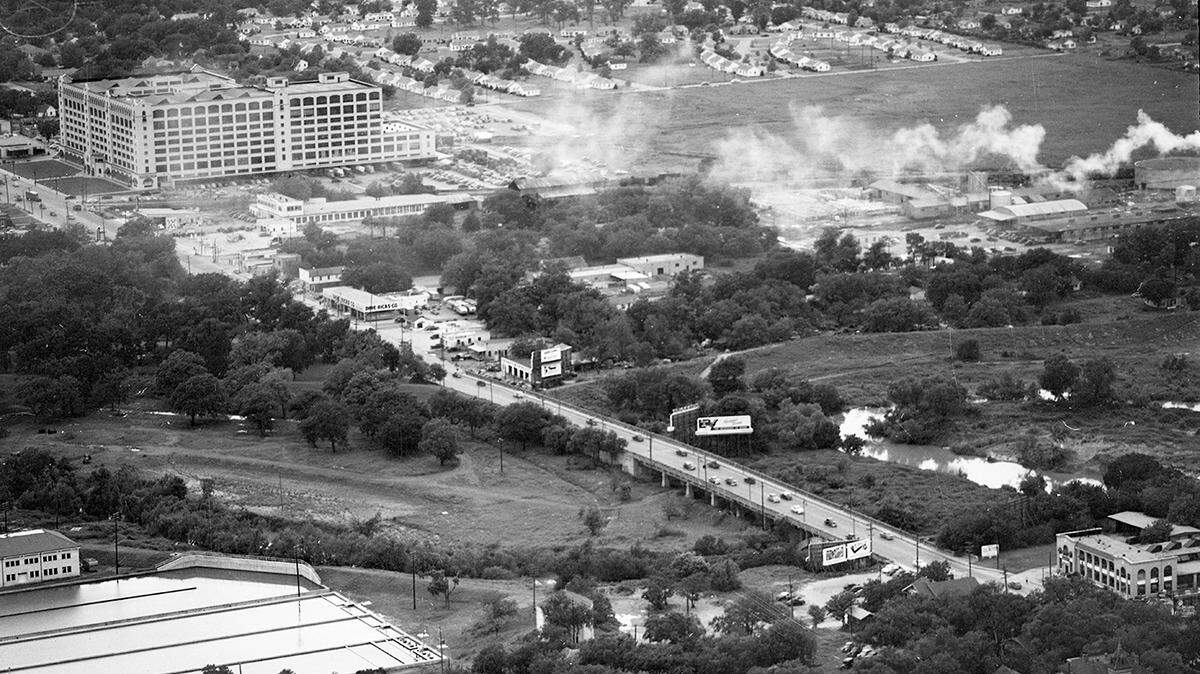
In the beginning was the Trinity, then men came along and built a town. They called it Fort Worth, and it was good. But it needed water.
Fort Worth was established on the bluff over the Trinity River in 1849 because the river provided the precious liquid that men and animals needed to live. The buildings stayed after the Army left four years later, and civilians moved in. They used the nearby river for both consumption and a convenient sewer to dump their waste. (After all, the sewage would be carried downriver to Dallas!)
People also depended on shallow wells, cisterns to collect rainwater, and cold springs for potable water. The nearest cold spring was on Samuels Avenue. Others were farther out on the “Birdville road,” requiring a wagon trip. They also drew water from the Clear Fork above where they dumped their sewage. Whatever the source, it had to be transported to the townspeople.
Water quality was not an issue as there was no system for purifying it anyway. People used what water they could find and took their chances with microorganisms, bacteria, viruses and fecal matter.
The first public water system was provided by entrepreneurial types who drew water from the Clear Fork and sold it to townspeople at the rate of two barrels for 25 cents. The charge was for the labor and transportation involved. The buyer transferred his purchase to his own barrels for his household and to water his animals. The situation was aggravated when the Trinity wasn’t flowing freely. The town’s water was often stagnant and polluted, which helps explain outbreaks of cholera and other gastrointestinal ailments.
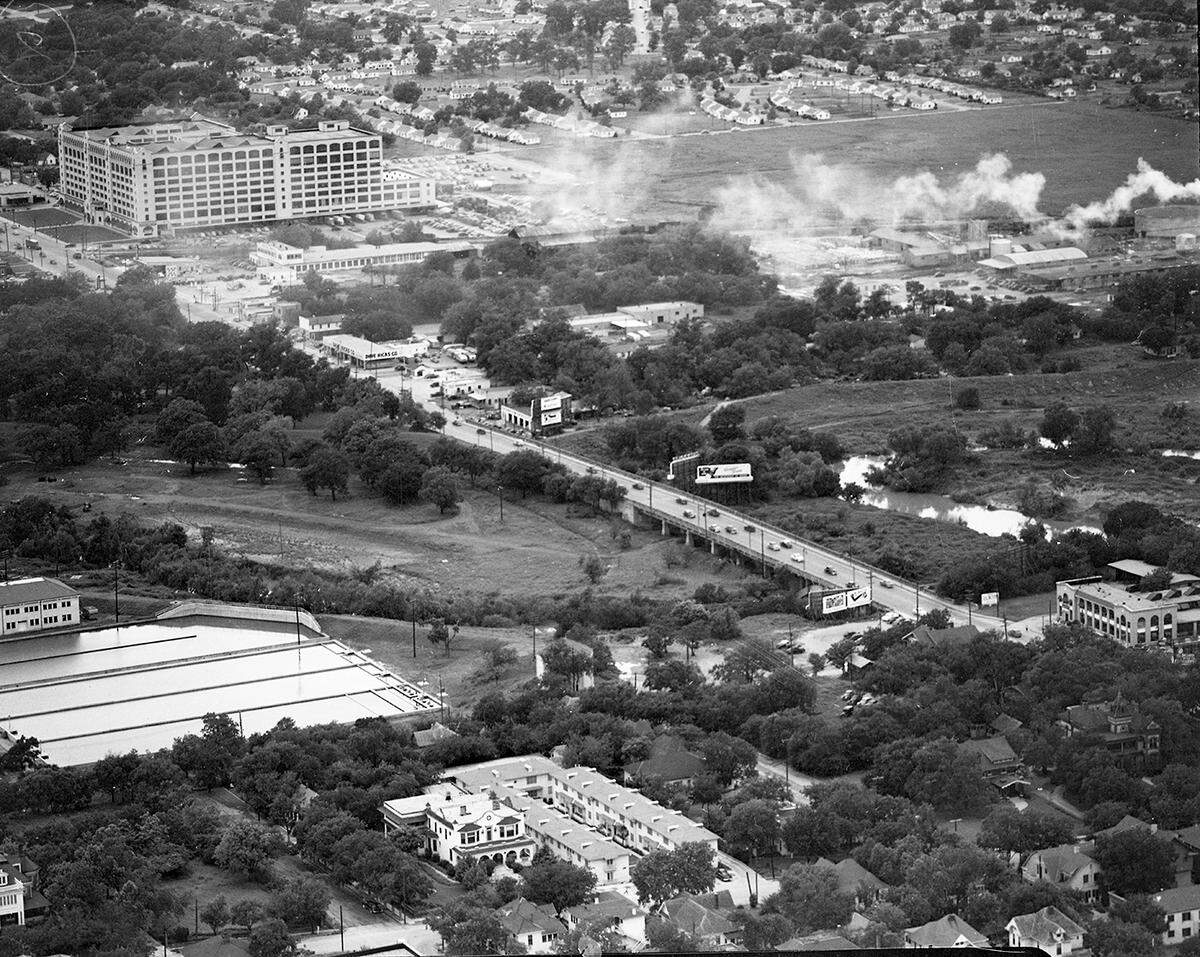
J.J. Peters in 1878 announced there was artesian water aplenty deep under Fort Worth, and he sank an well to prove it — in the southwestern section of the town near Florence and Fifth streets. John Nichols sank a second artesian well on his property on Peach Street near Hampton. After that, everybody who could afford it rushed to sink artesian wells, which could go down to 1,000 feet and cost $100 or more. Those wells became the chief source of the town’s water for several years.
Eventually the city grew big enough to need a pumping station, not just for consumer needs but to fight fires that were too big for a bucket brigade to handle. A source of water wasn’t the problem; cost was. The best estimates put the cost at between $24,000 and $50,000 to build a modest pumping station and install a single mile of pipeline. In terms of the municipal budget of the day, that was the equivalent of tens of millions of modern dollars. City fathers did what tax-leery Americans of their day always did — they turned to private enterprise to solve the problem.
Civil War veteran, newspaper editor and town booster Capt. B.B. Paddock rode to the rescue. He rounded up four friends with deep pockets and organized a water company, securing a franchise from the city, which meant an exclusive monopoly. No one else could go into business providing water to residents. Paddock & Co. signed a contract with the Holly Pump Company of Lockport, New York, to build a water works consisting of a pumping station on the Clear Fork capable of pumping 4 million gallons of water a day, plus 6 miles of pipeline.
Morgan Jones, E.P. Cowan and Henry McLaughlin built the plant on the Clear Fork about 100 yards from the junction of Clear Fork and West Fork. Fort Worth residents now had a steady supply of water. The Fort Worth Gazette crowed, “With a good system of waterworks, good schools, good sewers, and stone pavements Fort Worth will be the crowning glory of the Lone Star state.”
That was the good news. The bad news is that the water went directly to the city mains without first being treated. It often arrived on the users’ end muddy and malodorous. To make it fit for drinking and cooking, it had to stand in a barrel overnight to aerate and let the silt settle out.
The other problem was that the waterworks was privately owned. Paddock and friends sold out to Jones and friends, but as with any monopoly, the owners were still free to set rates at whatever the market would bear.
Residents were advised to go to the offices of Fort Worth Waterworks Co. at Fifth and Main to inquire about getting hooked up to the water system. It wasn’t cheap, which is why many residents continued to dig wells on their property, something most townspeople couldn’t do. The company also operated on a tight budget, so they skimped on repairs and upkeep to focus on signing up new customers. Years later, even large office buildings in Fort Worth like the W.T. Waggoner Building (built in 1920) had their own artesian wells in the basement to guarantee a steady supply.
The city owned a half-interest in that first waterworks. In 1885, the city approved the purchase of the other half for $24,000. Fort Worth was now full owner of its waterworks. The problem was that the aging system was a chronic money-loser. The city was adding population at an admirable pace, but all those new residents and businesses wanted to be connected to the public system, adding the expense of continuous expansion. The issue erupted into a heated public debate in 1888 with prominent voices like Walter T. Maddox calling for privatization.
Others pointed out that if private parties could supposedly make a profit operating the system, why couldn’t the city?
All the talk started with the idea of turning a profit with the existing system. By this thinking, the water supply, like gas, sewage and transportation, were all subject to the rules of laissez faire economics, the “free market.” The idea that the water system and other “utilities” were public works that “the people” should own was a socialist idea not widely accepted until years later in American history.
In 1888, Fort Worth fathers decided to bite the bullet and keep the waterworks because as former city secretary Stuart Harrison warned, “Fort Worth will be a great city, and if it permits its waterworks to go, it will never again have control of them.”
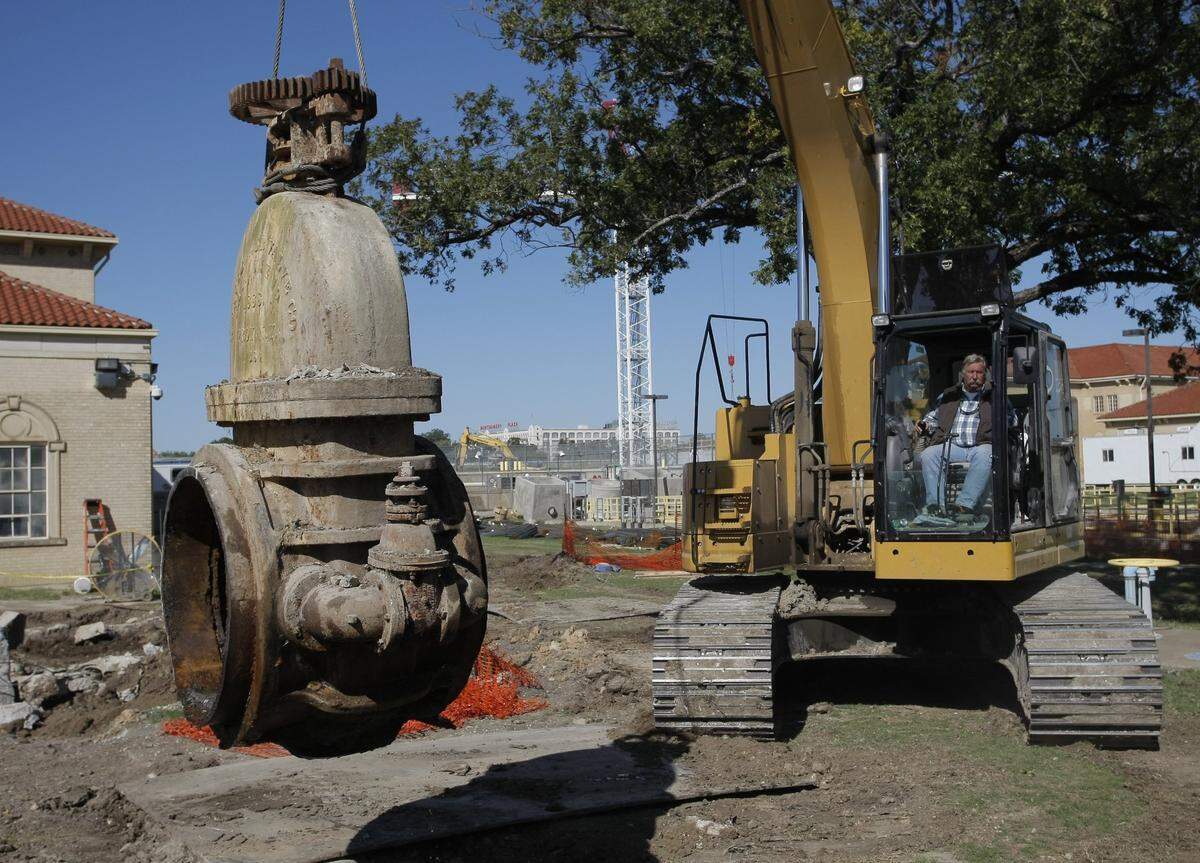
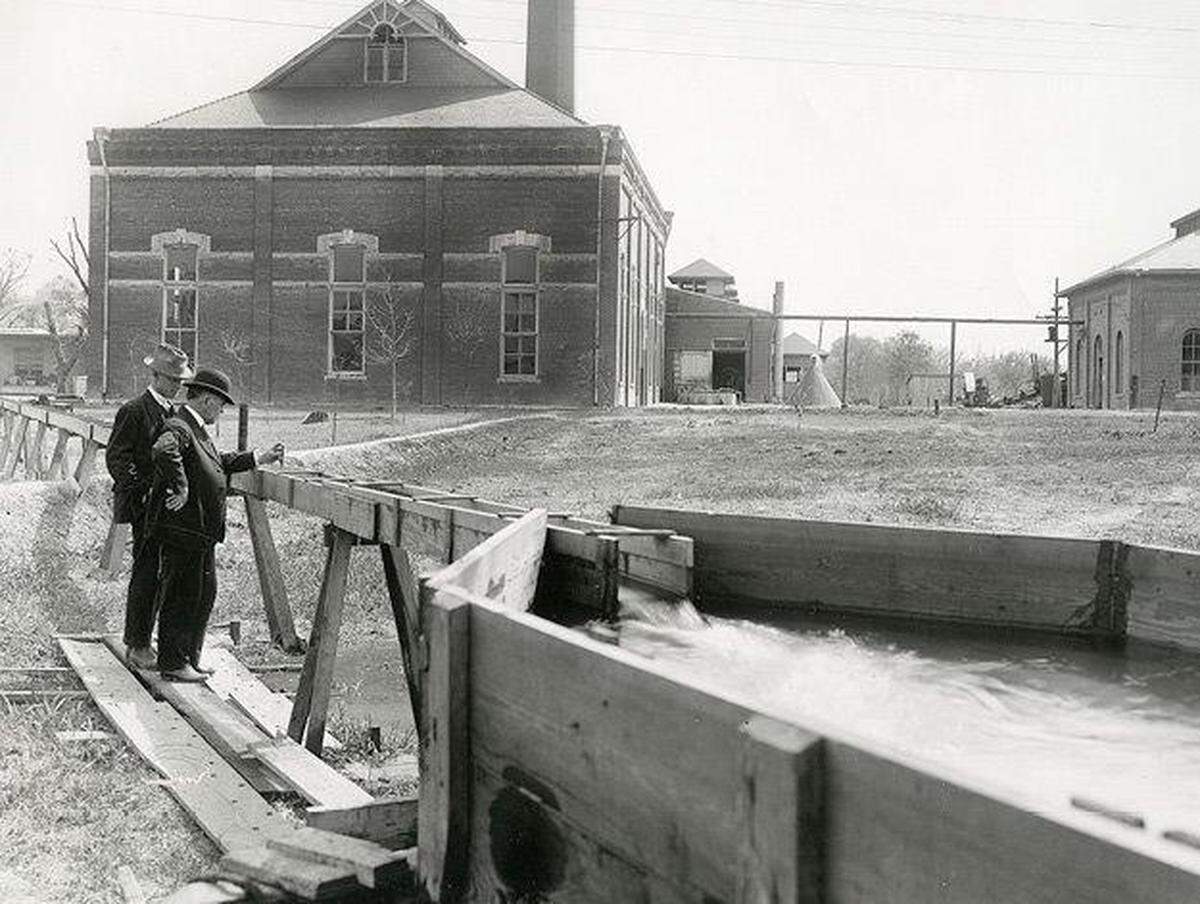
Instead of selling it off to the highest bidder, Fort Worth expanded the original Holly Plant in 1892 and 1916 and added other pumping stations as the population grew. The city has never considered privatizing its water system in all the years since that historic date.
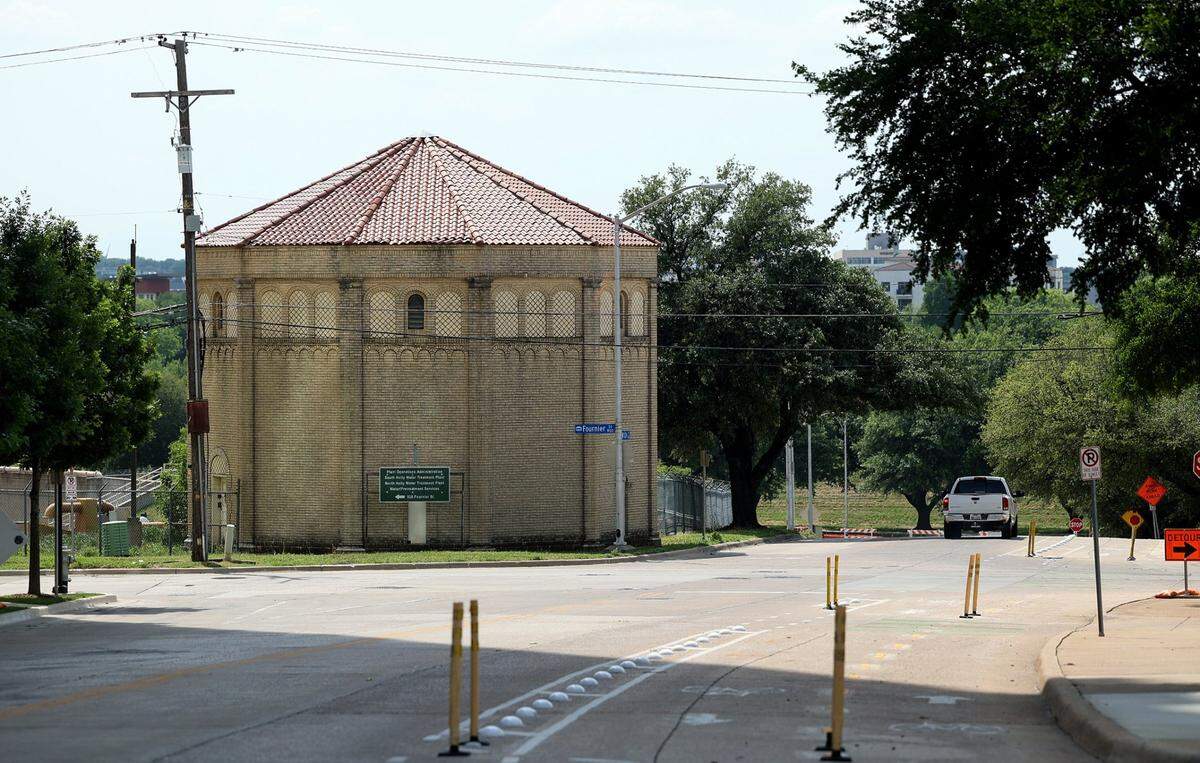
.JPG "PHi_j0236(8).JPG")
Author-historian Richard Selcer is a Fort Worth native and proud graduate of Paschal High and TCU.
This story was originally published October 7, 2023 at 5:00 AM.