
Historic Fort Worth theater too costly to save, owner says in announcing demolition
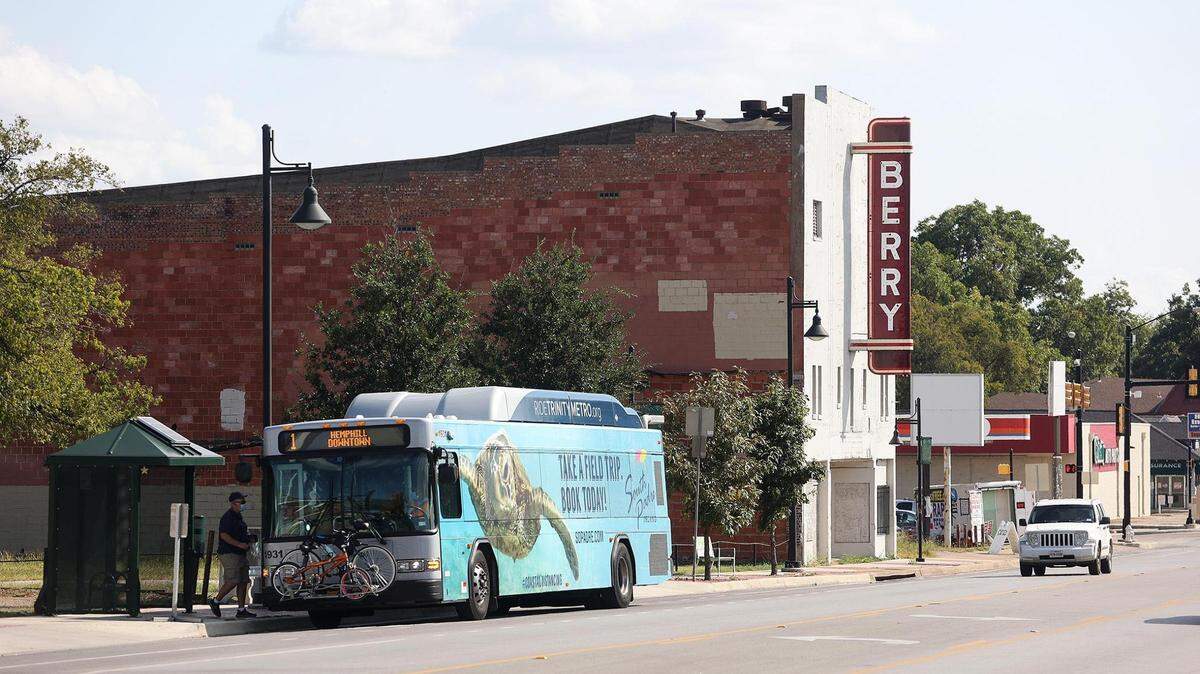
It’s official. The Berry Theater near the corner of Hemphill and West Berry Street is getting demolished.
Neighbors had lobbied the building’s nonprofit owner Mercy Clinic to save the structure, pointing to its significance as one of the few theaters in Fort Worth that played films catering to the city’s Hispanic community.
However, federal historic preservation grants would not do enough to offset Mercy Clinic’s costs, and the money needed to save the 1930’s era building would take money away from the nonprofit’s mission, executive director Aly Layman said in a press release.
“After exhaustive efforts and numerous conversations with community leaders and stakeholders both in public and private, the Board of Mercy Clinic has voted to demolish the building that formerly held the Berry Street theater,” Layman said in the release.
The demolition will make way for an expanded health clinic, which will include 10 patient rooms and six dental chairs. The clinic’s current location has three patient rooms and two dental chairs. The expansion plans have been in the work since 2018, but were modified in 2021 after the theater was donated to the nonprofit.
Layman shared pictures of the inside of the theater at a June 27 community meeting. It showed piles of trash, rotting studs, and exposed brick.
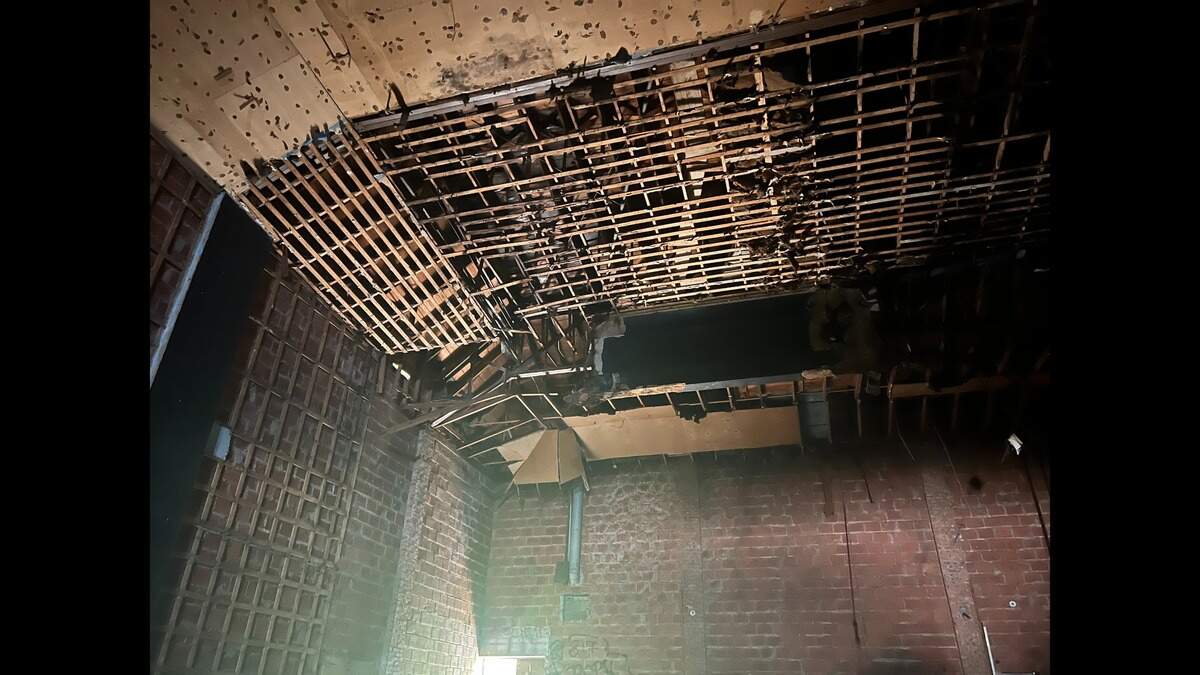
“While it used to be a safe place for families to watch movies together, due to neglect over the past many decades this is no longer the case,” she said.
Layman expressed an interest in working with area residents to save the theater at the June meeting, while cautioning the roughly 30 participants that all decisions would have to be made by the nonprofit’s board.
“The most valuable thing Mercy Clinic has is the trust of this community, and we can’t continue to grow as a clinic if we break that trust,” Layman said.
Cristina Plascencia Snoke, a neighborhood activist and resident of the Rosemont neighborhood just south of the theater, advocated at the June meeting for the building to be turned into a community cultural center.
She said it was important for the area’s Hispanic community to have a place that celebrated its culture and history.
“If you erase our history, you erase us, and a lot of us have fears of gentrification and displacement,” Plascencia Snoke said.
Fort Worth city council member Jeanette Martinez, whose district includes the theater, said she’d hoped Mercy Clinic’s board would have worked out a deal to sell the building to an interested buyer.
“The south side community was excited about the possibility of having its own arts center, a place where children and families would be exposed to old and new art mediums,” she said in a text.
While the building is historic, it doesn’t have a historic designation that would have saved it from demolition. Usually the property owner has to apply for the designation, but Martinez said she’d been told the city can nominate a property without the owner’s support.
“It is something I did seriously consider, however, this property owner is a nonprofit serving a population that already has little to no help,” she said.
While disagreeing with Mercy Clinic’s decision, Martinez said she had faith the nonprofit took all options into consideration before moving forward.
It’s not clear exactly when the demolition will take place, but in could come sometime before the end of the month, Layman said at the June community meeting.
The 7-Eleven gas station just south of the theater is slated to open July 29, and Mercy Clinic would have to pay the gas station roughly $15,000 to not pump gas if the demolition took place after the station opened, she said.
Mercy Clinic operates out of a two story house about a block north of the Travis Avenue Baptist Church. It opened in 2013 with the mission of providing free medical, dental and spiritual care to residents 200% or below the national poverty level.
It originally opened to serve residents in the 76110 ZIP code, which roughly covers an area west of Interstate 35W between West Allen Avenue and West Bolt Street. The clinic expanded to serve the 76104 zip code after a UT Southwestern study and reporting by the Star-Telegram that singled out that area as having the lowest life expectancy in Texas.
The theater opened in early 1940 as the White Theater named after its owner M.S. White, according to a review of the Star-Telegram archives. It became the Berry Theater in 1961 and began showing Spanish language films shortly after.
There haven’t been movies shown at the Berry Theater since at least 1989.
This story was originally published July 19, 2023 at 12:11 PM.
.jpg)