Lawyers slam Tarrant leaders for concealing truth about Robert Miller jail death
Lawyers for the widow of Robert Miller say they believe Tarrant County leaders have deliberately withheld records about how he died in jail to thwart any effort to pursue wrongful death claims.
In 2019, Miller was pepper sprayed at least three times at close range during his intake process and died shortly after. A county pathologist in 2020 ruled his death natural from a sickle cell crisis, but an investigation by the Fort Worth Star-Telegram last fall found evidence that he did not have sickle cell disease.
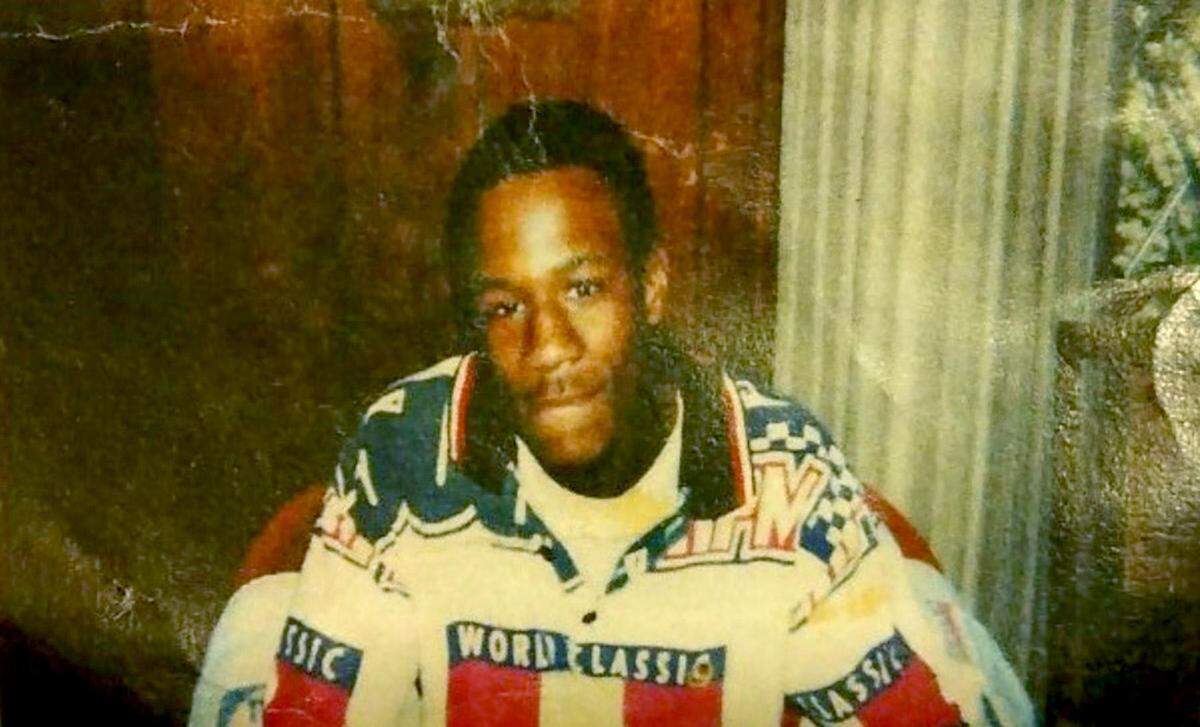
In the wake of the Star-Telegram story, Tarrant County commissioners contracted with an independent forensic pathologist to review Miller’s autopsy. For weeks, county leaders refused to say anything about what the review found, including to the widow. On Monday, the Star-Telegram confirmed that Tarrant County let the pathologist’s contract expire in February without sending him any materials to review.
A county government spokesman tried to explain that decision in a brief statement Monday. Because of “ongoing questions from the media and (Miller’s) family,” the statement said, Tarrant County sent Miller’s blood samples to the Mayo Clinic, which “confirmed the cause of sickle cell crisis” due to sickle cell trait.
But that is not possible, medical experts told the Star-Telegram on Monday. Someone who carries the sickle cell trait cannot have a sickle cell crisis, much less die from it, several of the experts said.
As of Tuesday, the Star-Telegram has not been able to verify with the Mayo Clinic what it told Tarrant County about Miller’s blood samples.
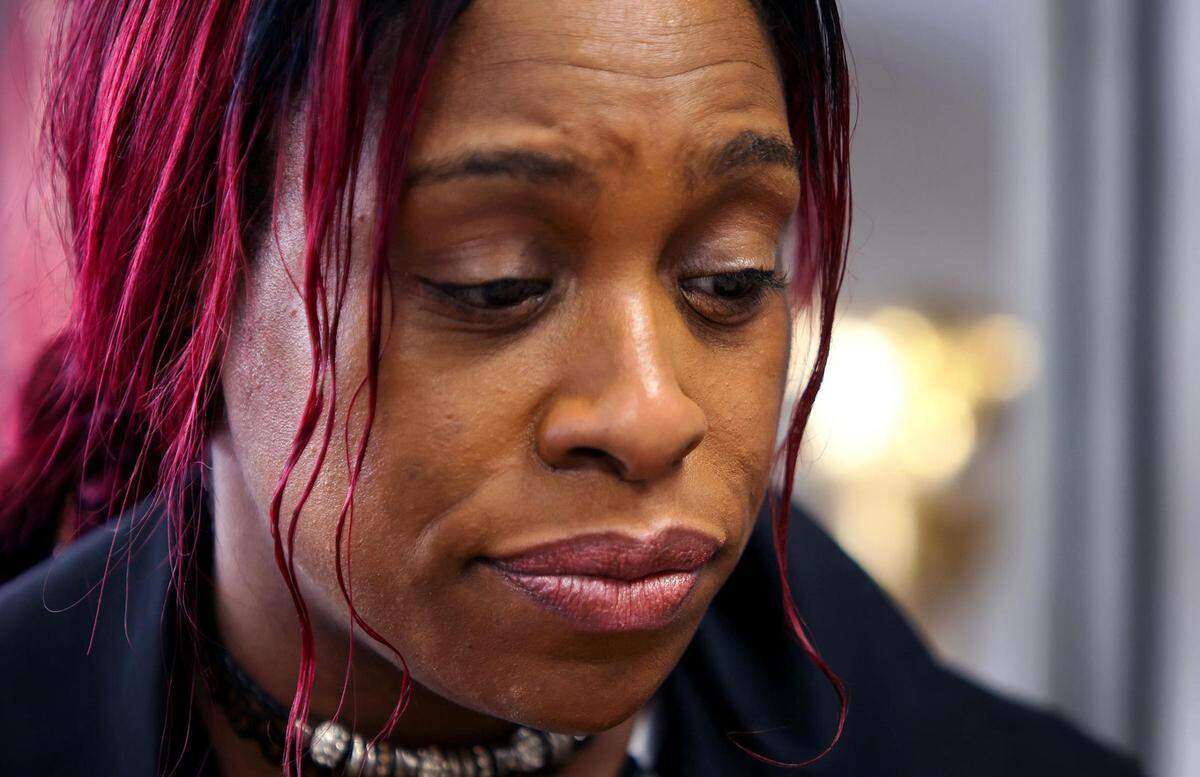
Miller’s widow, Shanelle Jenkins, has been pursuing a wrongful death lawsuit against the Tarrant County Sheriff’s Office for years. The county and the state’s Texas Rangers Division, which investigated the death, refused to release any records to Jenkins about what happened to Miller in jail. When the deadline came for her to file a lawsuit, her complaint lacked factual evidence and was dismissed by a judge.
Jenkins’ lawyers eventually succeeded in getting Miller’s records, but the courts so far have not allowed Jenkins to amend her original complaint with the evidence she now has. The documents were the basis of the Star-Telegram’s investigation last fall, including the Texas Rangers’ investigative report and Miller’s hospital records that suggest the autopsy findings were wrong.
“This entire process has just been a lack of transparency and a lack of exposure about what has happened to Robert Miller,” said Sebastian Van Coevorden, an attorney for Jenkins.
David Henderson, who is also on Jenkins’ legal team, believes they could have proven their case of wrongful death if they had been able to present all the evidence that the county and state withheld.
“I think they repel this information specifically to attempt to prevent us from doing that,” Henderson said. “I think that’s part of the reason why you see the scramble the way that you are now with regard to their inconsistent statements that don’t line up with the evidence, and even with the communications that are happening behind the scenes. It’s as though they’re making up their playbook as they go along. And this is the result of what happens when you’re not open and transparent about what happened.”
The lawyers said they were shocked by records obtained Monday by Star-Telegram of emails between a Tarrant County official and the independent pathologist who was supposed to review Miller’s autopsy.
One of the Jenkins’ lawyers had emailed the pathologist on Feb. 27, the day before the contract was to expire, asking about the status of the review.
The pathologist, Dr. J. Scott Denton of Bloomington, Illinois, was apparently surprised by the email. Denton forwarded the email to Tarrant County medical examiner Kendall Crowns and asked how to respond. Denton said he didn’t know that he might be reviewing a case that was being litigated. And, Denton said, he had yet to receive any material to review since his contract began in December.
Crowns responded that he intended to send Denton the materials for his review, and that the county would extend his contract. That never happened.
Van Coevorden said he never got a response from Denton.
This story was originally published April 25, 2023 at 3:00 PM.