Many kids with epilepsy don’t respond to drugs. Cook Children’s research could help them
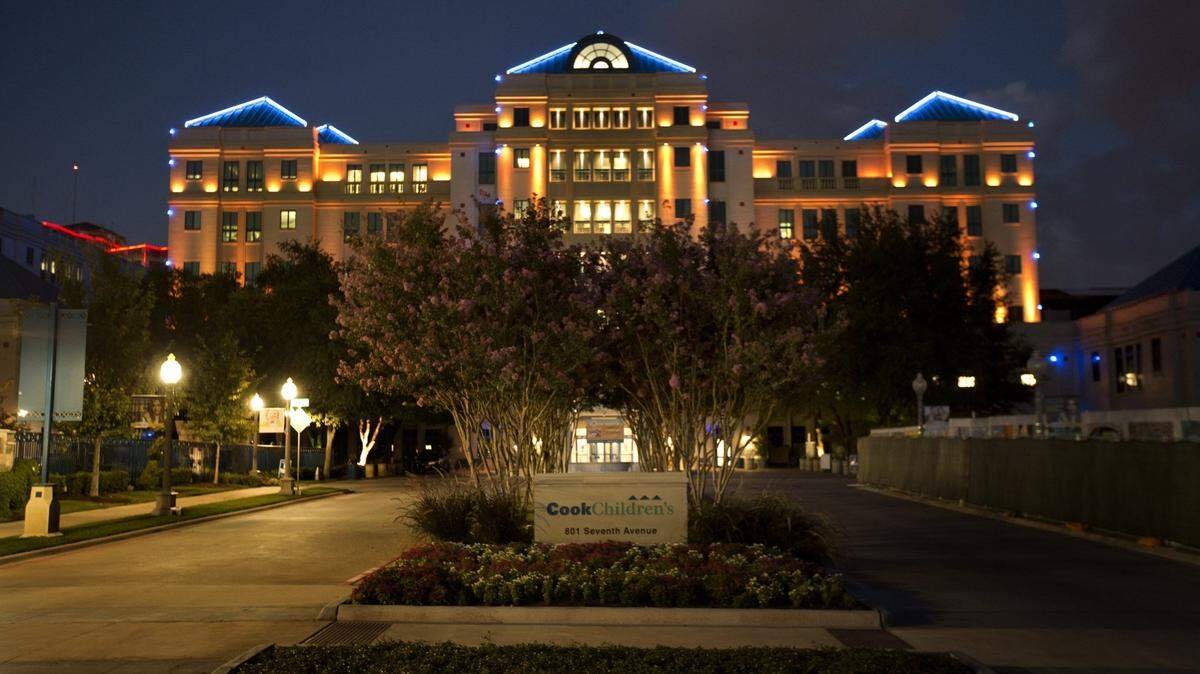
Researchers at Cook Children’s Health Network published new research in February demonstrating noninvasive ways to measure electric signals in the brain, a tool that could be used to treat children with epilepsy.
Of the roughly 50 million people worldwide who suffer from epilepsy, researchers estimate that existing drugs don’t work to stop seizures for at least 20% of people. For these patients, brain surgery is often the best option for treatment, as repeated, untreated seizures over time can cause lasting damage. For these complex surgeries, doctors must identify the areas of the brain where seizures originate.
The research, led by a neuroscientist at Cook Children’s, offers new information on these brain surgeries, and has identified a potential way to identify the areas where seizures originate. The peer-reviewed research was published in “Brain,” a neurology journal.
“This novel method has the potential to improve the outcome of children with epilepsy, particularly those who were previously ineligible for neurosurgery due to the absence of abnormal activity in their electrophysiological conventional diagnostic tests,” Papadelis, the director of neuroscience research at Cook Children’s, said in a statement.
Researchers retrospectively reviewed the cases of 37 children and young adults with drug-resistant epilepsy who had undergone brain surgery at Boston Children’s Hospital. Their work concluded that noninvasive techniques to prepare for surgery could work better than existing, invasive methods.
The research was funded by the National Institute of Neurological Disorders and Stroke, and done in collaboration with Boston Children’s Hospital, Massachusetts General Hospital and Harvard Medical School. Ludovica Corona, a Ph.D. student of bioengineering at UT Arlington, was the first author on the paper.
This story was originally published February 15, 2023 at 2:11 PM.