
For many Texas families, Christmas means a return to Mexico, piñatas and gifts in shoes
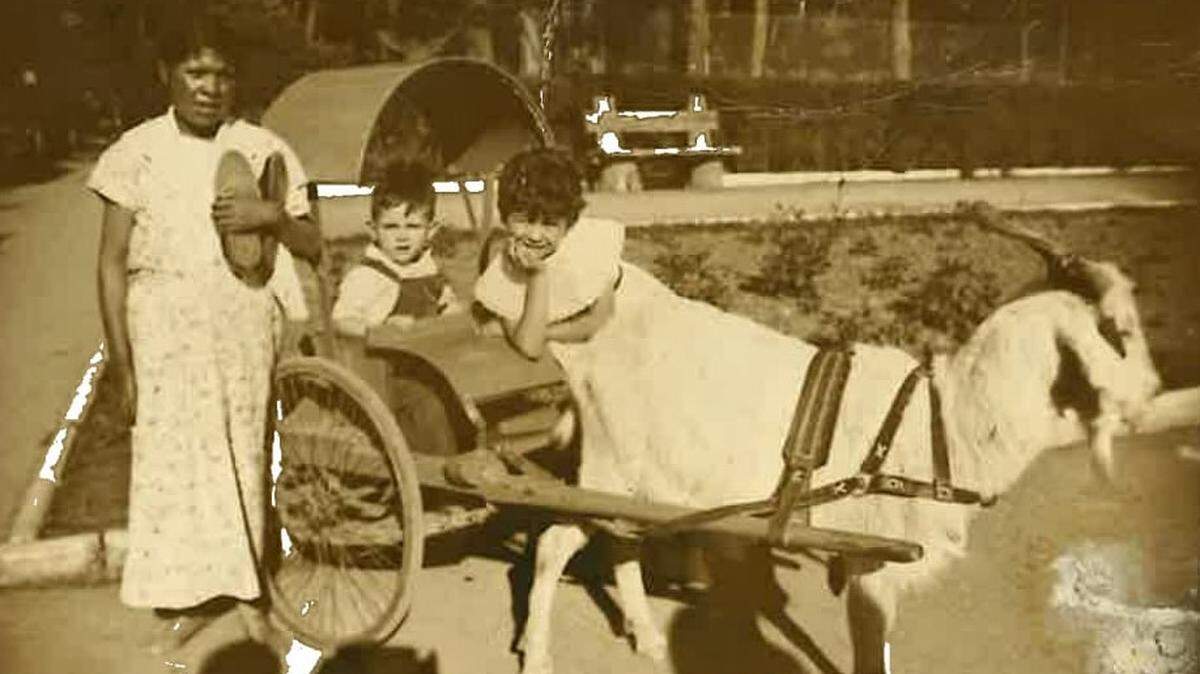
As soon as schools dismiss for Christmas vacation, thousands of families throughout the United States travel to see their families in Mexico. They endure long drives, complete turista forms at the hectic Mexican border, bribe Mexican police over alleged violations, and map routes less tracked by cartels for the joy of embracing their Mexican families in celebration of La Navidad, the birth of Christ.
Daisy Alejandra Estrada, as a young girl, drove with her parents, Sandra and Evodio Estrada, and brother David, to Chihuahua, Mexico. Born in the United States, Daisy looked forward annually to reunite with her grandparents Rosa and Rodrigo Fuentes and celebrate La Noche Buena/Christmas Eve. Staying up until midnight, they played Loteria (a board game), told jokes, lighted fireworks, and exchanged stories. Her grandfather played a saxophone, accompanied by an uncle on guitar. In the morning, they attended Christmas Mass, one of the rare occasions her blind grandmother Rosa left her home.
One of the most memorable Christmas celebrations occurred when her undocumented relatives reunited with the rest of the family in Mexico after an 18-year absence. They had finally secured US legal immigration status, freeing them from fears of deportation or detainment at the border.
When the Estradas heard news about cartel gangs robbing and harming returning families through the Juarez Mexico crossing, they rerouted their passage through Presidio/Ojinaga. It was slightly longer, but safer.
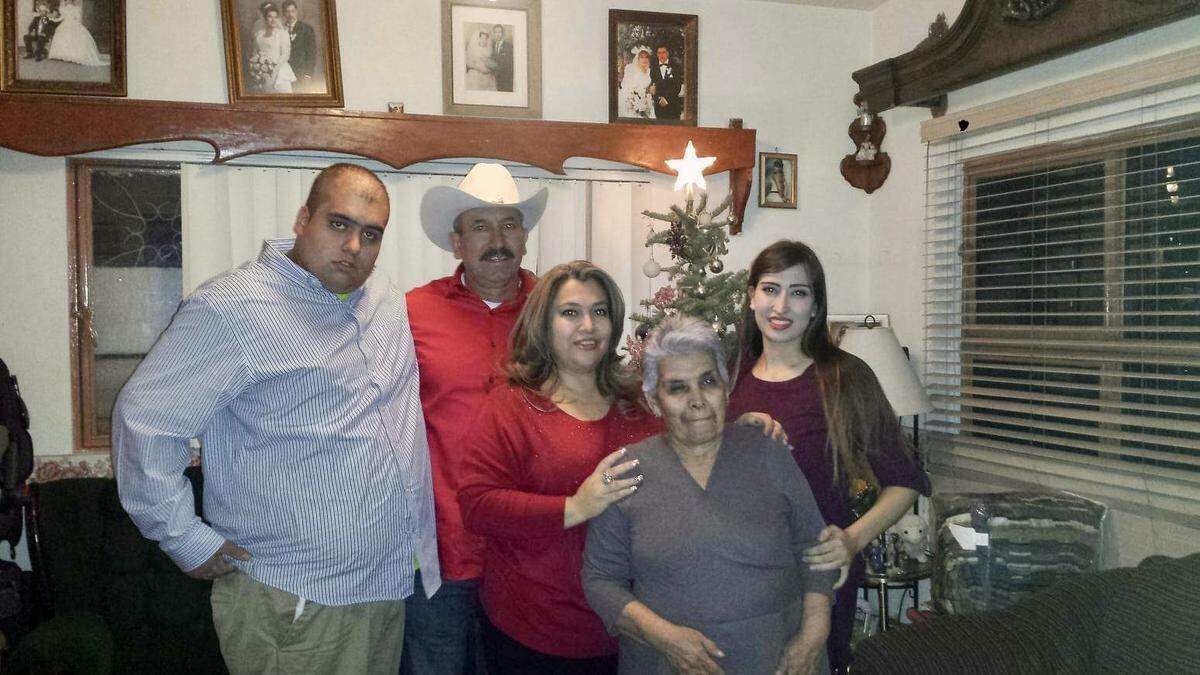
Now studying for her PhD in cognitive psychology at Stony Brook University in New York, Daisy keeps returning to Mexico for Christmas. She said, “I’m scared of losing my Mexican heritage, my Mexican family, my Mexican roots. I think my parents had the same idea.”
Belinda González’s mother, Emma Flores de González, insisted they return to Mexico City every Christmas to visit Emma’s father José Guadalupe Flores and mother Refugio Nuñez Flores, who lived in Ixtlahuaca. From Jasper, Texas, Belinda’s father, Fernando González, drove two and half days, stopping in Rio Grande City to rest at his parents’ home. In the ‘50s and ‘60s, the highway roads through the Sierra were torturous. They survived two near accidents. Belinda and Brother Fernando entertained one another during the long drive with songs and games.
The first week, they spent the holiday with grandfather José, a retired physician and former medic in Pancho Villa’s army. He entertained them with trips to the zoo in Chapultepec Park and the Palacio de Bellas Artes. On Christmas Eve, they attended the Misa de Gallo/Rooster’s Mass around midnight. Belinda’s mother sat her and brother next to candles to prevent them from falling asleep lest they burn their hair.
The second week, Belinda’s Christmas celebration grew more festive with her grandmother Refugio, who organized piñata parties, including the farming town’s children. Unlike gift sharing on Christmas Eve or Christmas in the US, her grandmother practiced the Mexican custom of placing gifts in their shoes on Jan. 6, El Dia de los Reyes/Three Kings Day. They also ate the Rosca de Reyes, a decorated bread containing a toy baby Jesus. Belinda found less Christmas commercialism in Mexico and little reference to Santa Claus. Christmas celebration centered on Posadas, family gatherings, and celebratory dining.
Jo Anna Cardoza, an Arlington businesswoman and activist, and her sister Elizabeth celebrated their quinceañera together in December 1993 during one of their annual Christmas visits to Cárdenas and San Diego, Mexico. They loaded their vehicle with bags of clothes and shoes, bicycles, and furniture to give to family, friends and neighbors after an 18-hour, nonstop drive. With no money for hotels, her family and extended kin, who also traveled from Texas, slept in rooms, hallways, and on floors.
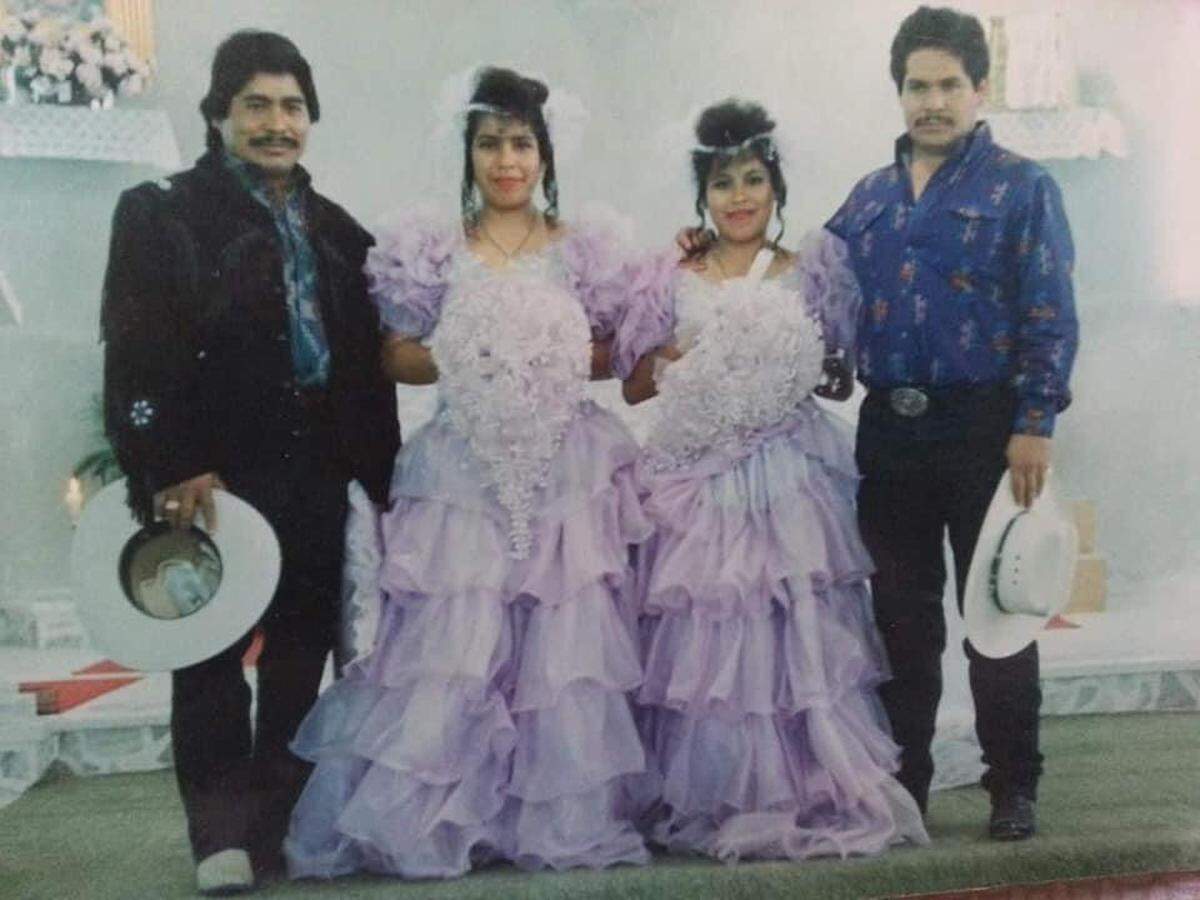
On Christmas and New Year’s Eves, her family built bonfires in the middle of the street. Her parents and uncles hired cooks to prepare food in large pots, cooking outside. They celebrated with piñata parties and dances, and instead of candy, the children received bags full of peanuts and oranges. Christmas parades, consisting of creative homemade, cornstalk floats, thrilled the farming town residents. On New Year’s Eve, her aunts and uncles hired a band that played traditional Mexican music in their grandparents’ home.
She relishes fond memories of watching her grandmother prepare sweet tamales, containing pineapple, nuts, raisins, and squash. Jo Anna didn’t realize, then, the laborious time her grandmother spent preparing fresh food. She now regrets not speaking to her grandparents while they were alive about their personal histories to discover her roots.
Jo Anna today gazes with nostalgia at family truck caravans, the beds covered in tarps, loaded with gifts on I-35 headed south toward the border in mid-December. She’s reminded of her family’s festive Mexican Christmas reunions, arousing gratitude for the Mexican heritage gifts left in her shoes.
Author Richard J. Gonzales writes and speaks about Fort Worth, national and international Latino history.