
Fort Worth property taxes are going up. One city council member is fighting back
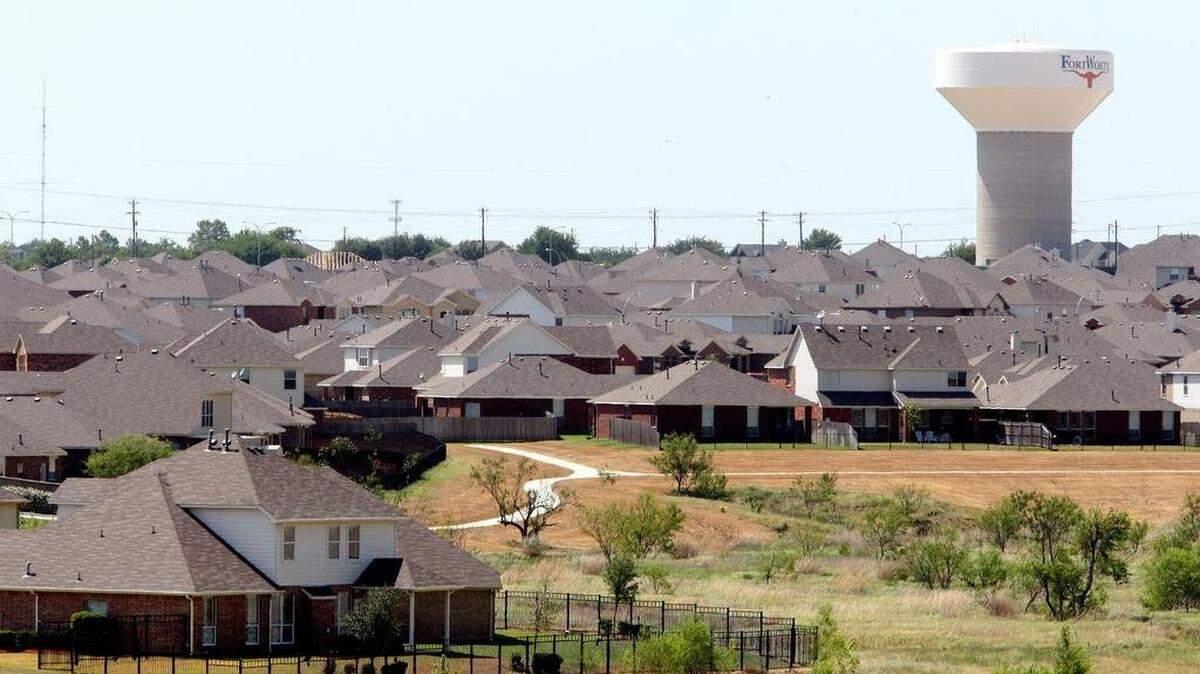
The vote on Fort Worth’s property tax rate isn’t until the end of September, but council member Alan Blaylock is pushing for a rate much lower than the one proposed by city staff.
Blaylock wants the city to adopt a “no-new-revenue tax rate,” which would generate the same revenue in 2023 from properties that were on the tax rolls in 2022.
The city would still add revenue from new property that was added to the tax rolls in the last year, but the rate would level out how much existing property owners pay in property tax.
The state established the rate in 2019, so tax payers could see if local governments were raising property taxes despite lowering the property tax rate.
The city is proposing a tax rate of 71.25 cents per $100 of property value. The no new revenue rate is 66.6876 cents per $100 of property value.
The city’s proposal is a 2-cent decrease from the 2022 tax rate, but most homeowners will see their property taxes go up due to rising home values.
The owner of a home valued at $325,000 with a homestead exemption would pay $1,853 under the city’s proposed tax rate.
Residential accounts increased by an average of 14.6% in 2022, according to the Tarrant Appraisal District, so taxes on that same home could have been as low as $1,731 a year ago. Some would see a smaller tax increase if their home value didn’t increase as much.
The the bill would be $1733.86 under the no-new-revenue rate.
The city expects to generate roughly $664 million in property taxes in 2023, but the no new revenue rate would limit the city to $569 million.
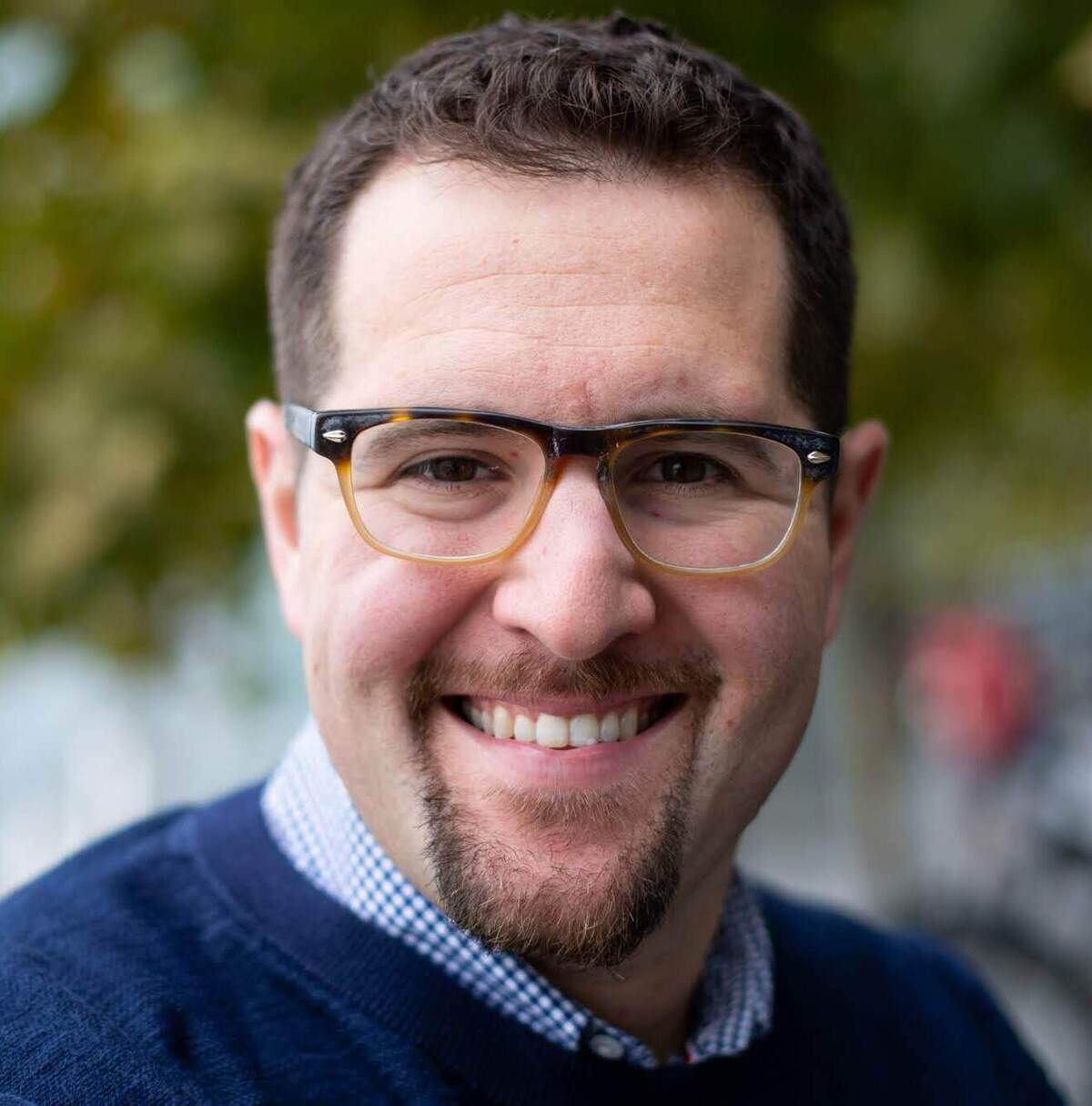
Blaylock, who joined the City Council after he won a special election in May, made reining in property taxes a cornerstone of his campaign.
He said the biggest concern for residents in his district were taxes, roads and public safety. His district runs along the east side of Interstate 35W, from north of Airport Freeway up to the Park Glen and Heritage neighborhoods, and east of downtown, roughly between Airport Freeway and Interstate 30.
Blaylock argued the city could grow its revenue from new development and growth in sales taxes rather than shifting the burden to property owners.
Roughly $2.7 billion in taxable property value was added to the tax rolls in the last year, however, city spokesperson Reyne Telles said the city will net about $19 million in property taxes from new growth.
That won’t cover the $83 million increase proposed in the city’s general fund.
Telles pointed to costs from inflation as well as new efforts by the city to fix street lights, pick up trash and improve pavement markings as factors contributing to the additional spending.
The bulk of the new spending will go to public safety and road maintenance.
About 40% of the increase is going to the police and fire departments while around 21% is slated for transportation and public works.
Other members of the City Council said they’re open to discussing lowering the property tax rate, but wanted to ensure the city is able to balance property tax savings with its goals of improving city services.
“I’m sure there are places where we can cut weight, but then it comes down to where is the impact?” said council member Michael Crain, who represents west Fort Worth.
Crain pointed to calls from his constituents to increase litter pickup and boost the capacity of the city’s Code Compliance department.
He also pointed to the city’s Development Services department, which is adding staff to cope with growth. Fort Worth is among the fastest-growing big cities in the nation.
“We’re not a small city. We’re a big urban environment, and so recognizing that comes with big urban problems,” he said.
Council member Elizabeth Beck, who represents the city’s urban core, said she’s not comfortable going much lower than the city’s proposed rate.
She argued the no-new-revenue rate does not account for rising costs or the additional capacity in departments like Public Works and Development Services that directly address the impacts of Fort Worth’s rapid growth.
Beck said the city needs to do a better job communicating the value for money residents get from their property taxes.
“We want people to know we’re being responsible, and we want residents to reach out about what kinds of services they want the city to provide,” Beck said.
Council member Carlos Flores acknowledged the pain residents are feeling from rising home values, but said the city is limited in what it can do directly.
The City Council has until Sept. 30 to approve a new budget and tax rate.
.jpg)