
Residents trade barbs over Fort Worth’s proposed Airbnb, short-term rental regulations
Fort Worth residents came out in force Tuesday to the first of two informational meetings about proposed changes to the way the city regulates short-term rentals like those listed on platforms Airbnb and Vrbo.
It follows two contentious public comment meetings in May and June where opponents and advocates took turns debating the merits of short-term rentals before the Fort Worth City Council.
Some expressed trepidation about losing neighborhood cohesion, increased traffic, and a “constant parade of strangers” coming into residential neighborhoods.
Others, including Daniella Judge who runs an Airbnb out of a guest house on her mother’s adjacent property, argued the city could come up with rules to protect neighborhoods and limit the worst abuses of short-term rentals from absentee owners.
“To uniformly apply seemingly punitive measures seems inappropriate, unfair and extreme,” Judge said.
The meeting began with a presentation by assistant city manager Dana Burghdoff, who gave a rundown of the four options being proposed by the city.
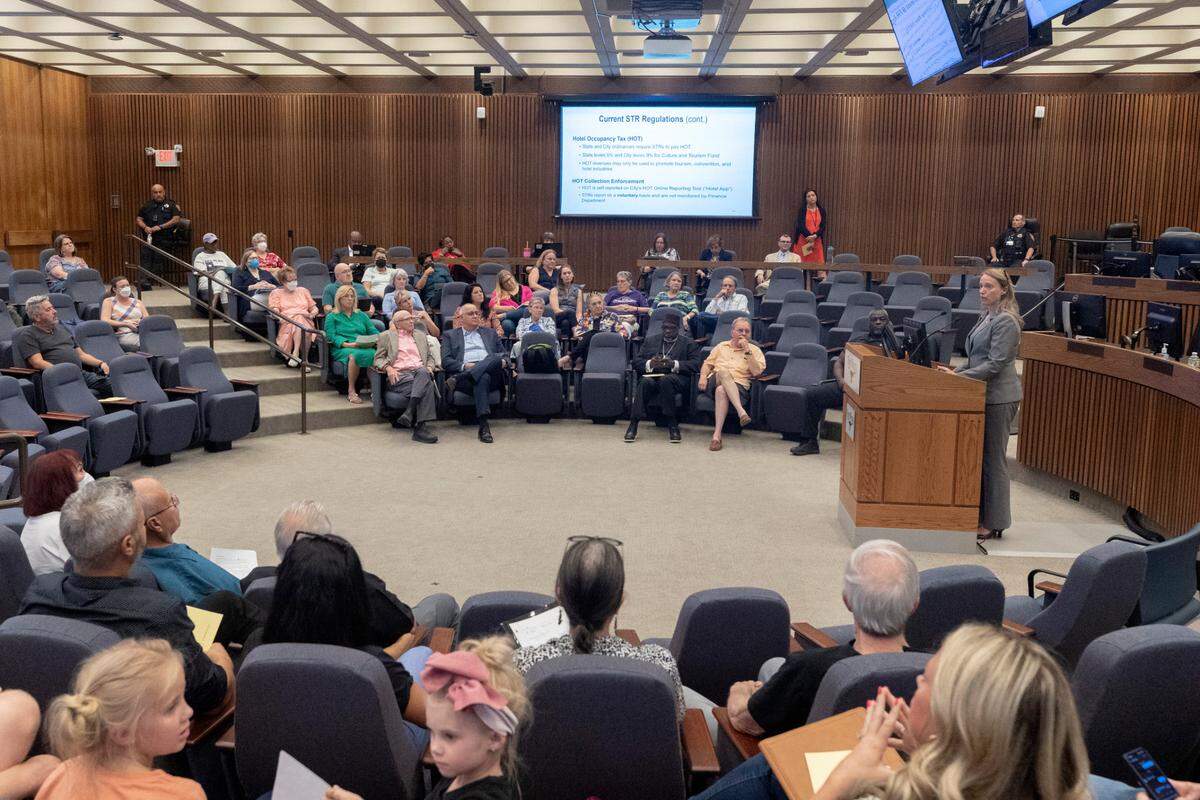
They ranged from staying pat and keeping the city’s current ordinance banning short-term rentals from all residential neighborhoods to allowing short-term rentals in residential neighborhoods with several caveats.
The city’s goal is to preserve the residential quality of neighborhoods while also balancing the needs of tourism, housing supply and resident safety.
This doesn’t mean short-term rentals couldn’t operate in residential neighborhoods, but the city needs to find the right balance between allowing short-term rentals and preventing commercial businesses from popping up in residential neighborhoods, Burghdoff said.
Several speakers expressed frustration that the city hasn’t been more proactive at enforcing its current short-term rental ordinance.
They questioned the city’s willingness to enforce the rule and the willingness of short-term rental operators to abide by any new rules the city puts in place.
“Why should I believe that the people who are openly operating illegal business in Fort Worth will care about my neighborhood?” said Central Meadowbrook resident Cindy Boling.
The city needs to find a way to shut down illegal short-term rentals before opening up the door to new operators, Boling said.
Some short-term rental advocates spoke about how the industry helped them achieve financial stability.
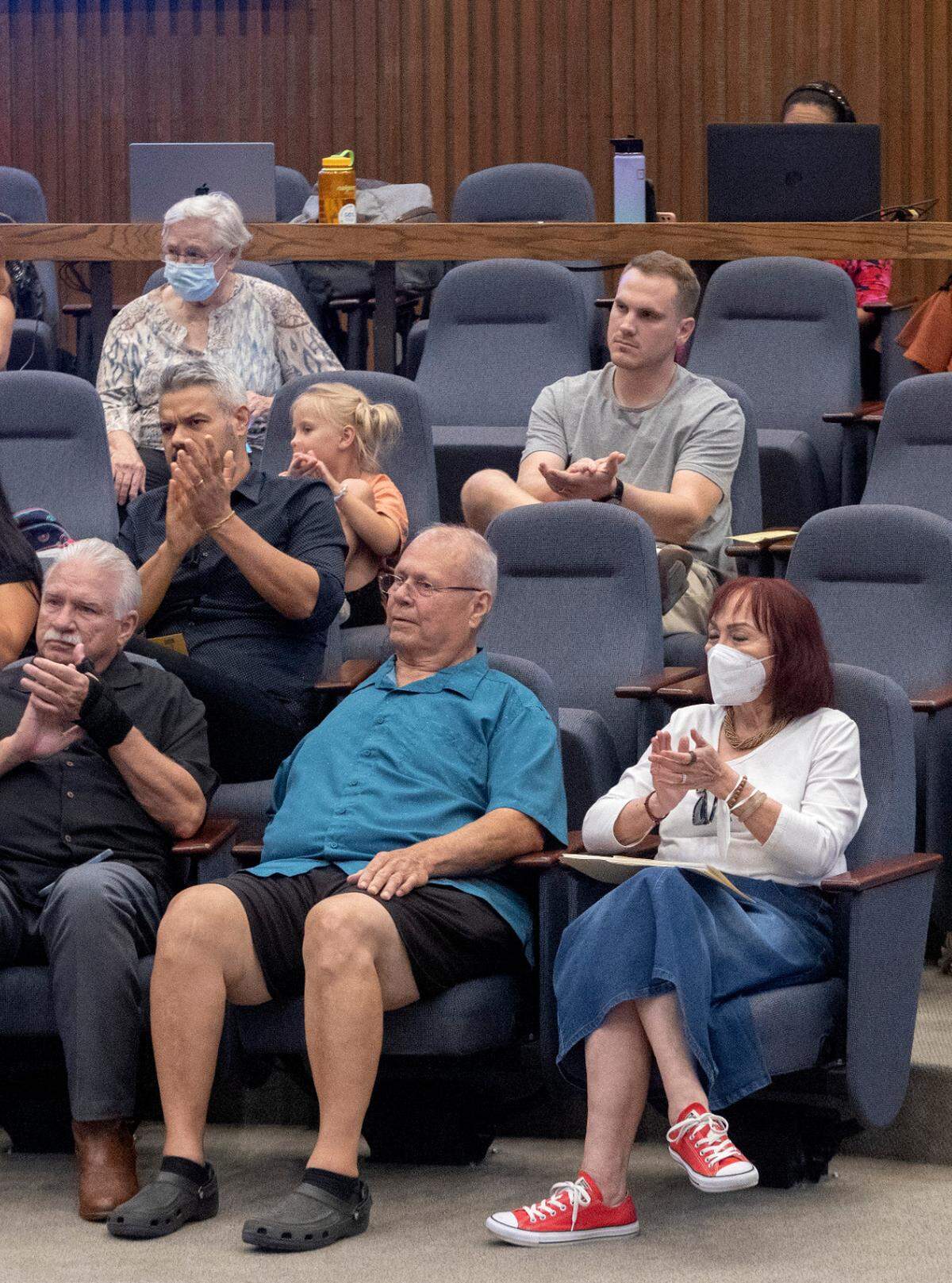
Anita Jones-Smith said she was able to start a business managing short-term rentals on behalf of property owners after losing her job at the beginning of the pandemic.
Capitalizing on the increase of medical and corporate professionals relocating to Fort Worth, Jones-Smith said she was able to grow her business and develop what she called generational wealth.
She said opposition to short-term rentals in residential neighborhoods does not take into consideration the impact on owner-occupied homes and small businesses like hers.
However, residents like Beverley Sims, who has lived in the Handley neighborhood for 50 years, wasn’t swayed by the economic arguments made by some short-term rental operators.
“If you need extra income, Walmart’s hiring,” Sims said.
Sims talked about the traffic from a short-term rental blocking her small neighborhood street.
“A big truck came in and we had to pass one car at a time,” she said.
Sims advocated for the city to keep its current ordinance to stop short-term rentals from expanding in Fort Worth.
The city’s next session on its short-term rental ordinance will be held virtually on Thursday, July 28 at 6 p.m.
This story was originally published July 26, 2022 at 11:58 AM.
.jpg)