
‘It’s literally burning up, drying up.’ Heat, drought stress North Texas cattle herds
It’s a tough time for cattle in Texas.
The drought and multiple 100-degree days are evaporating stock tanks and drying out the grass that fatten animals.
Ranchers say if conditions do not improve they will be forced to cull their herds. That is likely to lower prices for ground beef in the short term but consumers can expect prices to jump when conditions improve and ranchers attempt to replenish their herds.
Many ranchers compared the current climate to the drought in 2011, which cost Texas agriculture $7.62 billion according to research from Texas A&M. Texas is the United States’ largest producer of beef.
“Millions of cattle went to slaughter strictly because of the drought because they had no where else to go,” said said Jon Taggart, a rancher and owner of grass-fed beef market Burgundy Pasture Beef, which has stores in Dallas and Fort Worth.
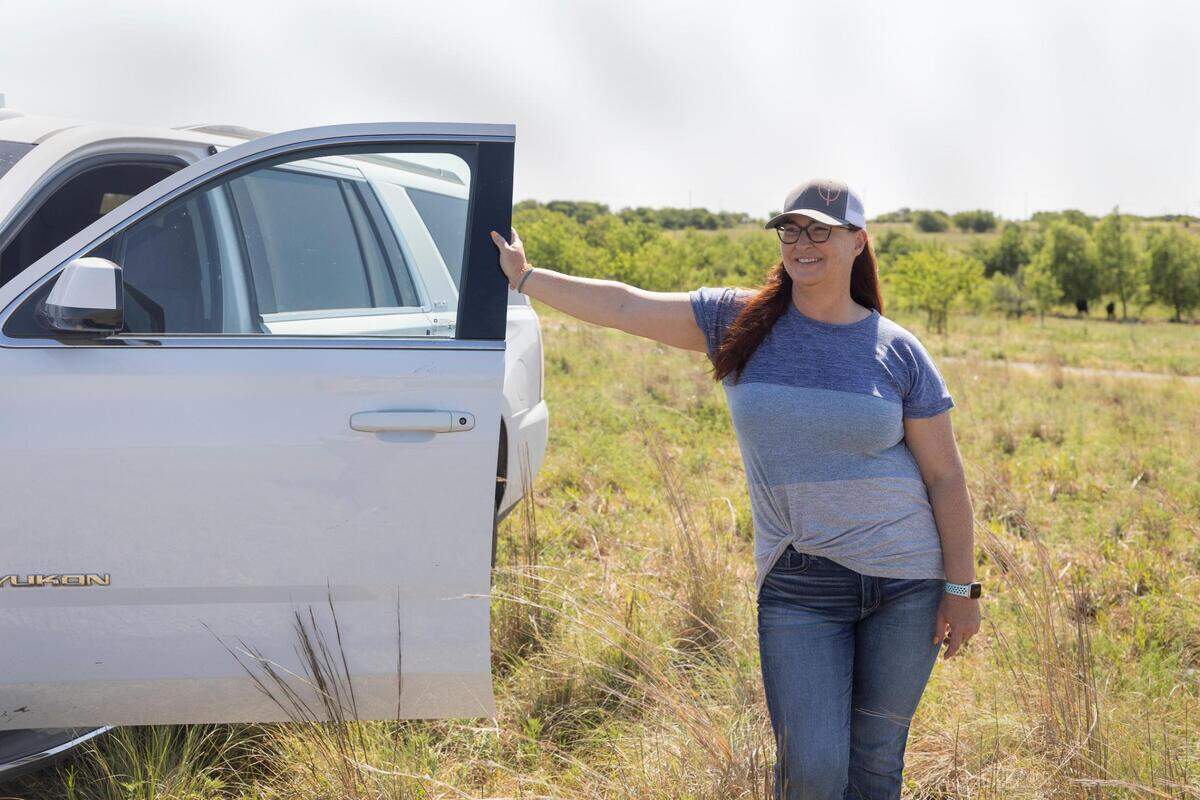
Sale barns filled up quickly, said Missy Bonds, assistant general manager at Bonds Ranch in Saginaw, which has been around since the 1930s with pastures in 26 Texas counties and 13 states.
“We’d get calls the night before saying ‘We can’t hold any more cattle,” she said.
Culling the herd
Cattle generated $12.3 billion in sales for the Texas economy in 2017, according to the U.S. Department of Agriculture.
It’s too early to tell what the economic impact will be from the current conditions, but some smaller ranchers may be forced to completely liquidate their herds, said Chris Farley, a rancher who teaches ranch management at TCU.
He’s already sold 200 cattle due to lackluster grass growth in his pastures near Glen Rose.
“It’s literally burning up, drying up and we’ve had no growth this spring from a grass standpoint,” he said.
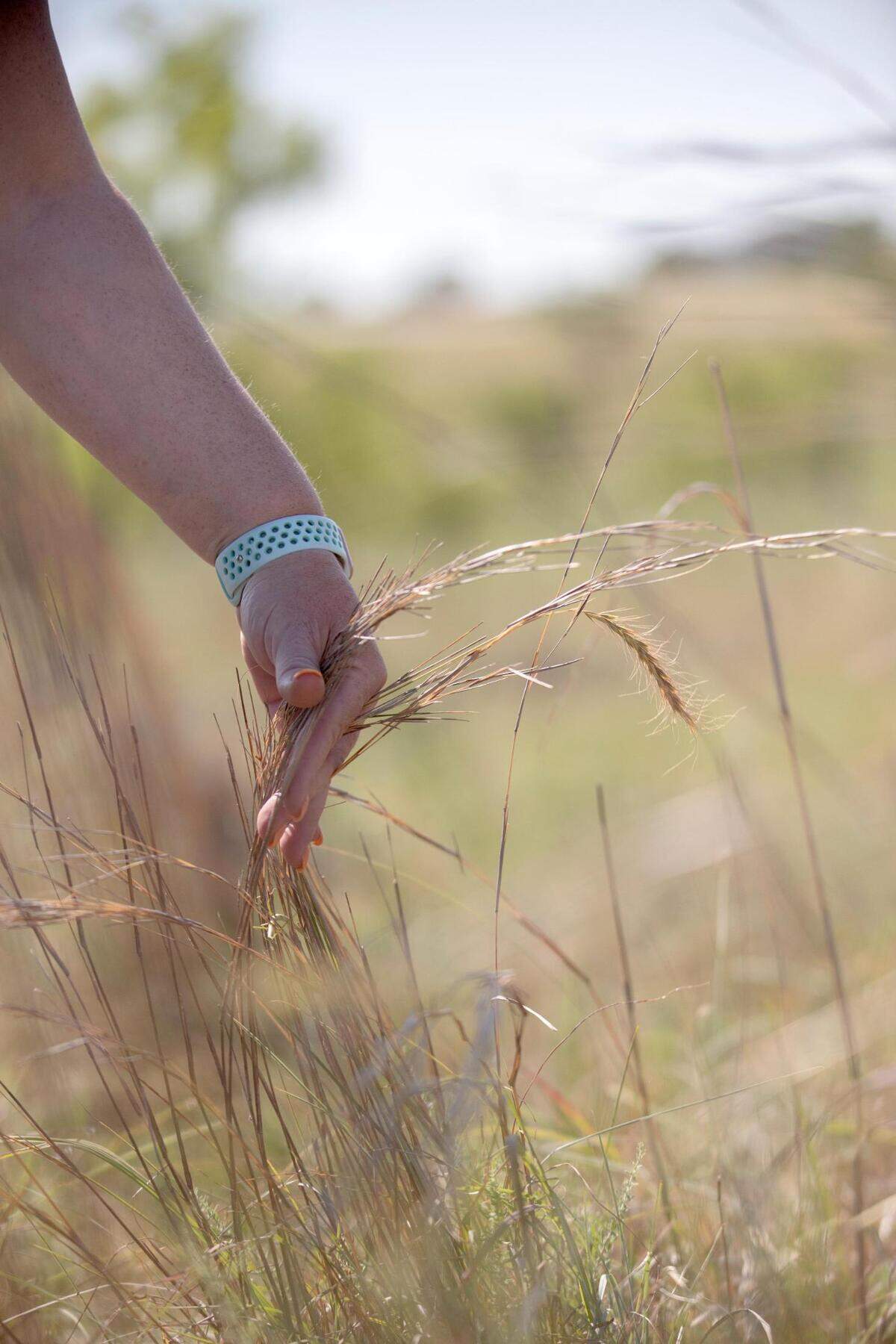
Most the forage Farley’s cattle rely on is grown between May and June 15, but the Dallas-Fort Worth region only saw three inches of rain in May compared to at least seven between 2019-2021, according to the National Weather Service..
Farley maintains a small herd of 10 cattle, but said he’ll be forced to sell them off if their pasture runs out of grass.
The drought has been compounded by similar dry conditions in western Oklahoma and Kansas. Ranchers who would otherwise move their cattle to greener pastures are being forced to send them to the slaughter house rather than let them overgraze.
It’s also costing more to ship. It used to cost roughly $3 per mile, but higher diesel prices have pushed the cost closer to $6, Taggart said.
Praying for rain
Rainfall levels are at historic lows.
Roughly 97% of Texas is in some form of drought, with the most severe conditions in central and West Texas, according to the U.S. Drought Monitor.
About 75% of Tarrant County is in a severe drought and all of Johnson County is in extreme drought.
The Fort Worth area averages about 32 inches of rain per year, according to the National Weather Service. So far this year, Bonds Ranch’s rain gauge has measured a little over 8 inches.
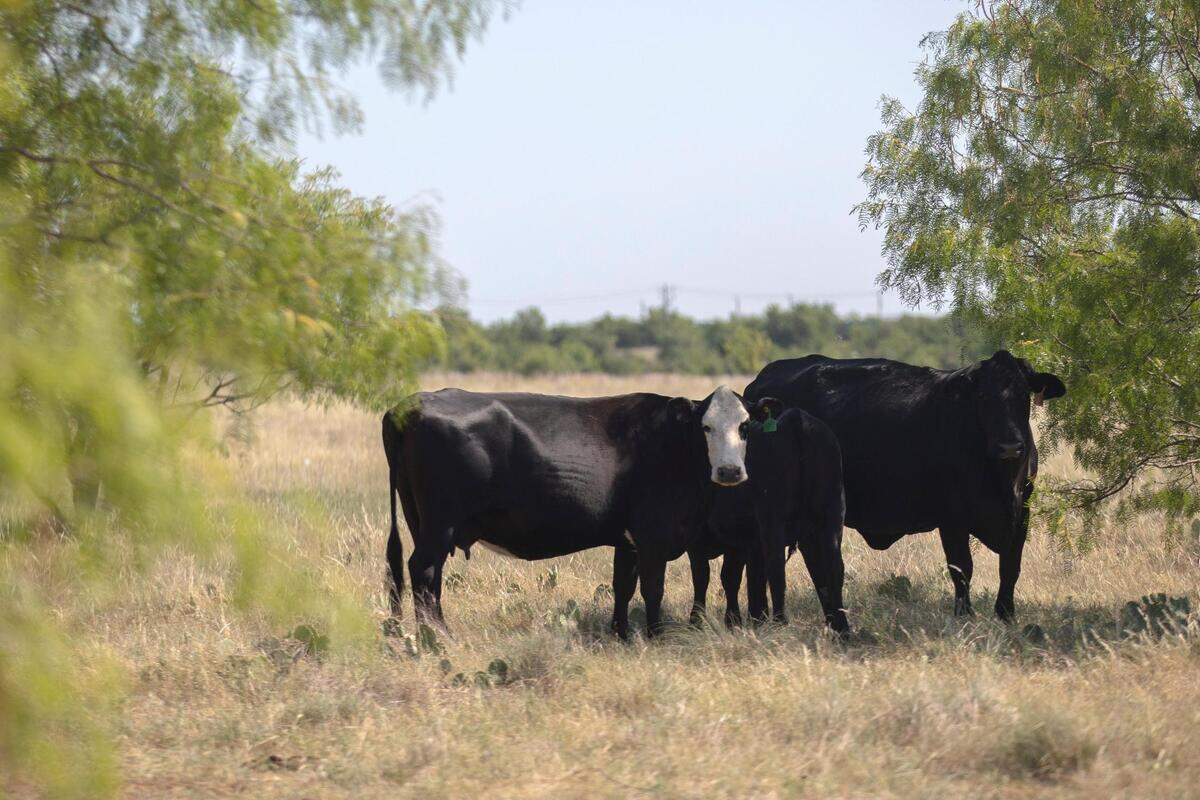
The ranch added capacity to its stock ponds a few years ago, but with the hot weather the water levels in some are getting low.
“You want to match your animals to your resources,” Bonds said. If the water levels get much lower, Bonds may have to sell off some some of her herd, she said.
Ranchers usually sell off older cows first along with those that aren’t pregnant.
The goal is to cull about 10% to 20% of the herd every year, but it might be more if the region doesn’t get get more rain, Bonds said.
“We’re hopefully optimistic we won’t have to, but we won’t know until the end of the summer.”
.jpg)