Fort Worth hospital grades for safety: One gets an ‘A,’ another gets a ‘D.’ See all results.
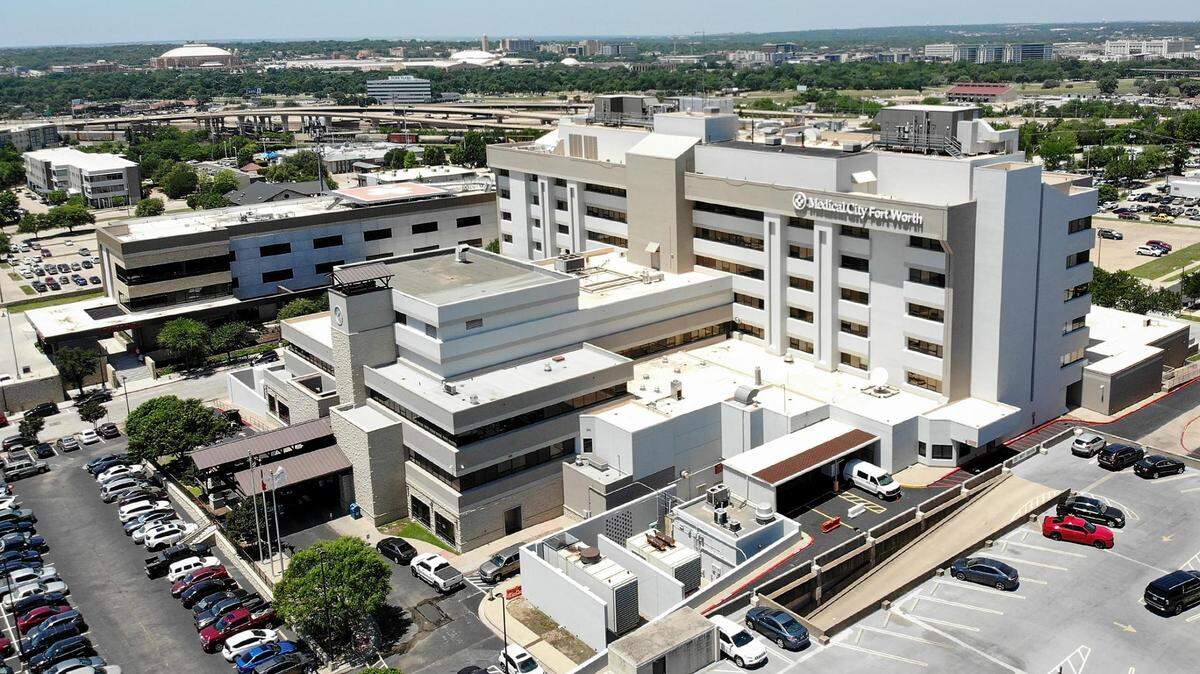
Medical City Fort Worth was the only hospital in Fort Worth that received an A for safety standards in recent ratings of U.S. hospitals by a national watchdog group.
Spring 2022 Hospital Safety Grades were released Tuesday by the Leapfrog Group. The nonprofit organization bi-annually assigns letter grades to general hospitals across the country by measuring errors, accidents, injuries and infections, and systems in place to prevent harm.
Texas ranked 22nd for hospital safety nationally, a downgrade from the fall, when the state ranked 16th in the country.
The Leapfrog Hospital Safety Grade is assigned whether the hospital voluntarily reports data to Leapfrog or not. The majority of data used to calculate the safety grade comes from the Centers for Medicare and Medicaid Services. Hospitals can provide additional information about safety measures through the annual Leapfrog Hospital Survey.
In Texas, 230 hospitals received safety grades. Leapfrog graded 32% of Texas hospitals an A, compared with 35% in the fall.
Here’s how Fort Worth hospitals stacked up, and what that means for you and others seeking health care in the city.
How safe are Fort Worth hospitals?
Medical City Fort Worth continued its high safety grade streak and was the only hospital in the city to get an A. Rates of infection and safety problems were near the national average, and it received perfect scores on staff as well as preventing surgical problems and errors.
%20fort%20worth%20-%20small.jpg "(2019) fort worth - small.jpg")
“As our health care system continues to feel the strain of the pandemic, I thank the workforce and leadership of Medical City Fort Worth for sustained commitment to patient safety, day in and day out,” said Leah Binder, president and CEO of The Leapfrog Group, in a statement. “An ‘A’ Safety Grade is an outstanding achievement, and one that is not possible without a 24/7 effort by the entire health care workforce to protect patients from harm. This community should be proud.”
According to the spring 2022 Hospital Safety Grades, the following two Fort Worth hospitals received B grades:
John Peter Smith Hospital received a B, down from an A in the fall. Previously, the hospital had received a B and several C grades. The hospital had fewer infections and safety problems than the average hospital, but more than the best hospitals. JPS has not responded to a Star-Telegram request for comment.
Medical City Alliance broke an A streak it had since at least 2019. The number of safety problems was near the national average. Spokesperson Matt Eiserloh said: “We appreciate efforts by organizations like The Leapfrog Group to make quality and safety information available to the public. Providing, high-quality, safe and compassionate care is paramount at Medical City Healthcare, which has more Leapfrog Safety Grade A hospitals than any other healthcare system in Texas. We use data such as this to continually improve and fully intend to attain that top rating again when the fall scores are released.”
These Fort Worth hospitals received a C safety grade by Leapfrog:
- Texas Health Alliance was graded a C for the sixth consecutive time. The hospital had received an A in the spring of 2019. It received a score near the average for safety problems and well below average for practices to prevent errors.
Texas Health Fort Worth also received a C on safety for the sixth time in a row, after getting a B in spring 2019. Texas Health had a near-average score for number of infections and safety problems and received a low score for error prevention practices.
Texas Health Southwest Fort Worth received its fourth consecutive C grade after receiving two B grades and an A in the past few years. The hospital scored better than average on safety problems and infections but had a low score for error prevention.
Texas Health spokesperson Kimberly Walton said “patient safety and quality are the highest priority” and that they may have received these grades because they chose not to participate in the Leapfrog Hospital Survey.
“Several years ago, Leapfrog changed their reporting methodology from being dependent on publicly available data to requesting additional information from hospitals, which is not independently verified. We did not participate in their additional requests, as this activity does not provide direct value to the patients we serve,” Walton said. “Because this grading system includes both participating and non-participating entities, it highlights the variability in Leapfrog’s methodology and the grades it assigns. For the most recent reporting cycle, Texas Health Harris Methodist Hospital Hurst-Euless-Bedford did provide the additional data and their score improved two letter grades from a D to a B. Thus, we are evaluating participating more fully in the future as part of our commitment to being as transparent as possible. We continue to be highly focused on initiatives that directly impact patient care, from Reliable Care Blueprinting to other patient safety initiatives that are part of our journey in becoming a high reliability organization.”
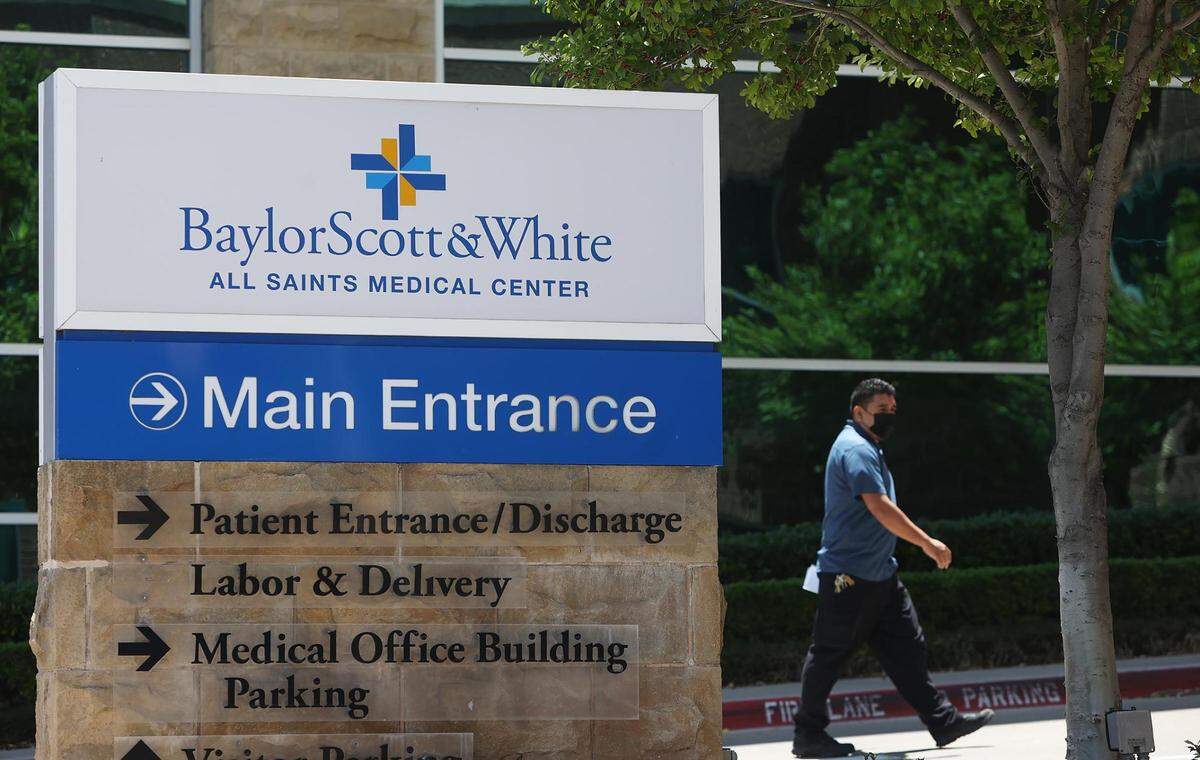
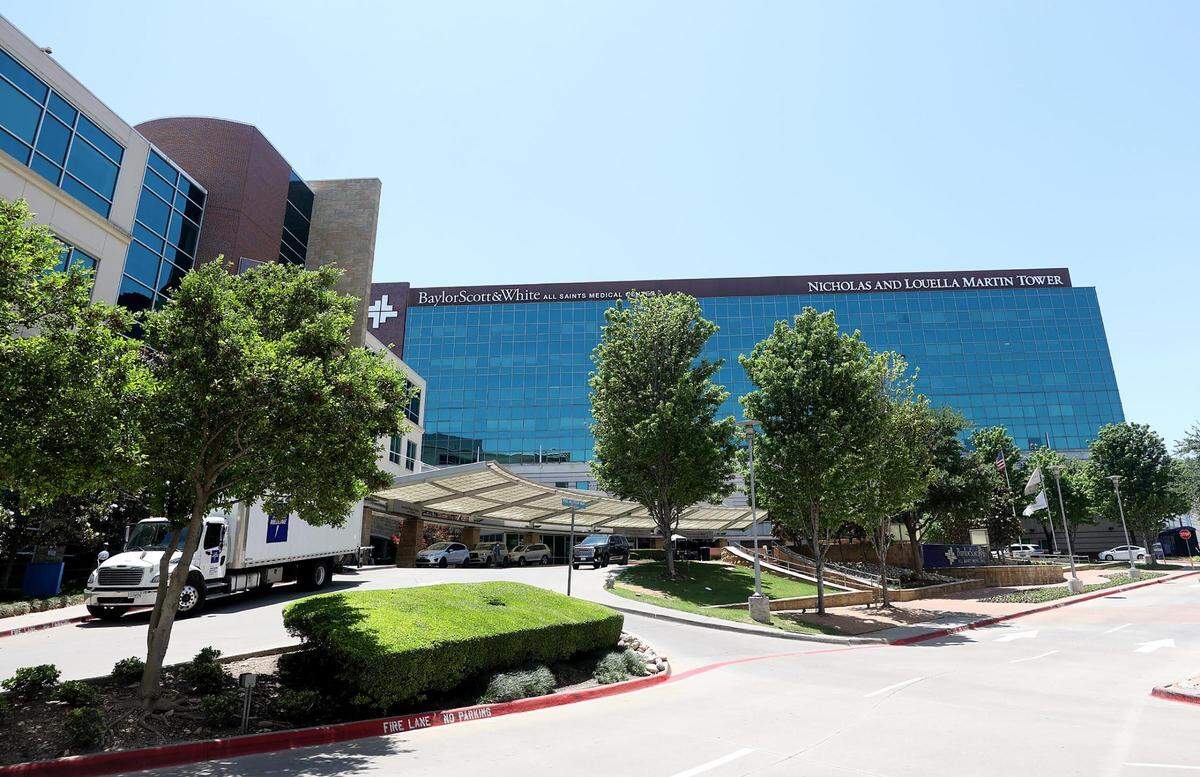
Baylor Scott & White All Saints Medical Center - Fort Worth was the only Fort Worth hospital that received a D grade based on the national rankings. That’s lower than in the past three years, during which it received B and C grades. It had more infections and safety problems than the average hospital and was near the worst for surgery problems. The hospital also scored low on error prevention practices.
Spokesperson Matthew Olivolo said: “We are committed to providing safe, high-quality care to every patient who enters our doors, and we closely measure our performance across a variety of metrics that we believe are strong indicators of safe, high-quality care. There are a number of factors that influence a hospital’s grade from Leapfrog. One significant factor is participation in Leapfrog’s proprietary survey — which our hospital does not participate in at this time. Nothing is more important than being a trusted provider to those we serve.”
How were the hospital safety grades calculated?
The Leapfrog Hospital Safety Grade uses more than 30 national performance measures from the Centers for Medicare & Medicaid Services and the Leapfrog Hospital Survey. Leapfrog says those measures produce a letter grade that indicates a hospital’s overall performance in keeping patients safe from preventable harm and medical errors. Nearly 3,000 general acute-care hospitals across the nation receive a safety grade twice annually, in the fall and spring.
The five main scoring categories that measure a hospital’s safety are:
- Infection: This measures the rate of different types of infections at the hospital, including MRSA infection, diff infection, blood infection, urinary tract infection, surgical site infection after colon surgery and sepsis after surgery.
- Problems with surgery: This measures how many times a dangerous object was left inside the patient’s body, a surgical wound split open, a patient died from a treatable complication or there was blood leakage, kidney injury, a serious breathing problem or accidental cuts and tears.
- Safety problems: This score reflects complications and harmful events including bed sores, falls and injuries, collapsed lung, blood clot and air or gas bubble in the blood.
- Practices to prevent errors: Hospitals can earn up to 100 points for practices such as ordering medication through a computer, safely administering medication, handwashing, communicating with patients about medicines and discharge, and working with other staff members to prevent errors.
- Doctors, nurses and hospital staff: This score reflects how healthcare workers make patient safety a priority at the hospital. That encompasses effective leaders that prevent errors, enough qualified nurses, specially trained doctors working in the ICU, communication with doctors and nurses and hospital staff responsiveness.
How do I choose a safe hospital?
While data for “A” hospitals shows they do a good job preventing errors, you should never refuse care in an emergency because of a hospital’s safety grade. When you have time to research, use hospitalsafetygrade.org to check whether a hospital scores well on these medical care basics:
- Handwashing: Does your hospital have a handwashing policy to ensure all staff members are washing their hands before and after patient contact?
- Infection in the blood: Hospital patients may be given a central line, a tube inserted into the body to deliver medication and other treatments. Patients with a central line are at high risk for developing a dangerous infection in the blood. Is your hospital showing a low number on this measure?
- Patient falls: What is your hospital doing to ensure you don’t suffer an added injury from a fall while in the hospital?
How can you stay safe in the hospital?
Here’s how to prepare for your hospital stay:
- Medication safety: Bring all the medicines you’re on, and let the hospital know about any allergies to medication. Know which conditions the medicines are treating, and what they look and taste like. Bring someone with you who is aware of the medications you’re on. Let your doctor or nurse know if you have an unexpected response to the medication you take at the hospital.
- Preventing falls: Use your call button for help walking to the restroom or around the hall. Wear nonslip socks or shoes that fit well. Lower bed height and side rails.
Leapfrog recommends taking these steps during your hospital stay:
- Be prepared. Before your visit, write down any questions you may have.
- Ask questions when you’re unsure of what you’re being told, or when something unexpected happens.
- Be alert and say something. During your hospital stay, you should take notes to keep track of what’s happening.
If you see an error made in the hospital, you should:
- Immediately speak with someone, like a bedside nurse. Some hospitals have a system for reporting errors, like a suggestion box or hotline.
- Discuss the issue in a respectful yet assertive manner. A health care employee should investigate or resolve the issue.
Be clear that you expect to hear back about the issue, and that you would like to see something done to address the error.
If you don’t receive an answer after being discharged, contact the hospital’s customer service, patient advocacy or patient and family relations department.
This story was originally published May 16, 2022 at 5:00 AM.